

Table of Contents
- Step 1: How to Identify Tick Habitats in Your Yard
- Step 2: Clear Leaf Litter, Brush, and Tall Grass
- Step 3: How to Perform a Tick Check on Pets
- Step 4: Apply the Best Tick Repellent for Yards
- Step 5: Create a Tick-Safe Zone Around Your Home
- Step 6: Monitor for Ticks and Reinfestation
- Conclusion
Last Updated: August 24, 2026
Step 1: How to Identify Tick Habitats in Your Yard
The first step in addressing ticks in backyard what to do is understanding where ticks actually hide. Ticks don't roam randomly across your property, they cluster in specific microhabitats that provide the moisture, shade, and protection they need to survive. Identifying these zones is where most homeowners start, and it's the foundation for every control strategy that follows.
Ticks thrive in moist, shady areas with heavy leaf litter and low vegetation. Look for dense patches of brush, tall unmowed grass, and leaf accumulation near the edges of your yard, particularly where sunlight doesn't penetrate directly. Blacklegged ticks (also called deer ticks) and other species prefer environments where humidity stays high, typically 85% or above (the CDC). If your yard has wooded borders, green belts, or overgrown fence lines, those are prime tick habitats. The tick-safe zone you'll want to create later depends on first knowing exactly where these problem areas sit.
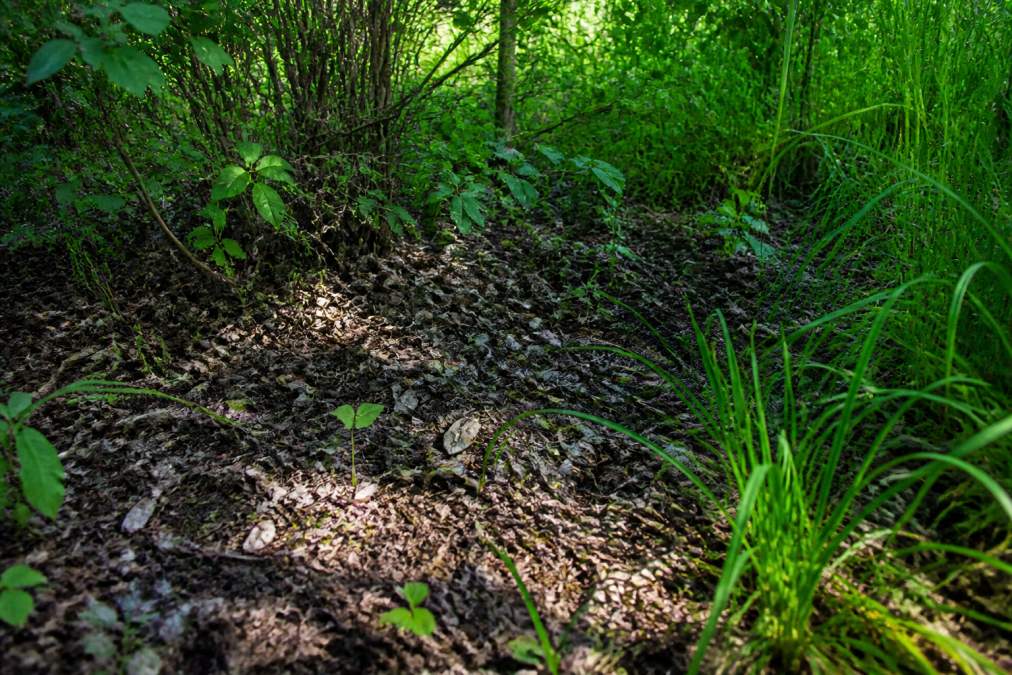
Walk your property during early morning or late evening when dew is present, this is when ticks are most active and visible. Pay special attention to the transition zones between lawn and woods. Ticks don't travel far on their own; they wait on vegetation for a host to pass by. This passive hunting strategy means they concentrate in areas where animals (and people) are likely to brush through.
Document these problem zones. Note which areas stay damp longer after rain, which receive the least sunlight, and which have the thickest vegetation. This map becomes your action plan for the steps ahead. Many homeowners skip this step and apply treatments randomly, which wastes time and money. Precision here saves effort later.
Understanding tick habitat also means recognizing the seasonal patterns. Nymphs (young ticks) are most active in spring and early summer, while adult ticks peak in fall (the CDC). Larvae emerge in late summer. Each life stage prefers slightly different conditions, but all thrive in the moist, shaded environments you'll identify in this first step.
Step 2: Clear Leaf Litter, Brush, and Tall Grass
Once you've mapped your tick habitats, the next action is removing the conditions that support them. Clearing leaf litter and brush isn't glamorous work, but it's one of the most effective tick control methods available, and it costs nothing beyond your labor.
Rake and remove accumulated leaves from your yard, especially around the perimeter and in shaded areas. Leaf litter is prime tick real estate. It holds moisture, provides shelter, and creates the exact microclimate ticks need to survive through winter and thrive in spring. A thorough fall cleanup removes thousands of potential tick habitats before the cold season arrives. Don't just push leaves to the edge of your property; bag them or compost them away from high-traffic areas.
Trim brush and low branches to increase sunlight penetration. Ticks avoid direct sunlight when possible, so opening up your yard to more light naturally discourages them. Cut back shrubs at least 1 meter from walkways and seating areas. Remove dead wood, fallen branches, and tangled undergrowth. This also improves air circulation and allows your yard to dry faster after rain, another factor that makes the environment less hospitable to ticks.
Mow your lawn regularly and keep grass short. Tall grass provides cover for ticks to wait for passing hosts. A well-maintained lawn at 5-7 centimetres height is far less attractive to ticks than overgrown vegetation (peer-reviewed research). Mow at least weekly during the active tick season (spring through fall). Dispose of grass clippings properly; don't leave them in piles where they can retain moisture and create new tick habitat.
Create a clear buffer zone between your lawn and any wooded areas or wild vegetation. This mulch moat, typically 1-2 metres wide, acts as a physical and environmental barrier. Ticks are reluctant to cross open, dry areas. You can use wood chips, gravel, or other mulch materials. The goal is to reduce the moist leaf litter and create an inhospitable transition zone that ticks naturally avoid.
Step 3: How to Perform a Tick Check on Pets
Pets are common tick vectors, bringing ticks from wooded areas directly into your home and yard. Regular tick checks on dogs (and cats, if they go outdoors) are essential for breaking the tick life cycle and protecting your family. A proper tick check takes 5-10 minutes and should happen after every outdoor excursion in tick season.
Start by running your hands over your pet's entire body, paying close attention to areas where ticks prefer to attach. Ticks often cluster around the ears, neck, armpits, groin, and between the toes. Use your fingers or a fine-toothed comb to part the fur and inspect the skin directly. Look for small dark bumps or engorged ticks that appear as larger, grey or brown oval shapes. Don't just glance, actually feel the skin and look carefully.
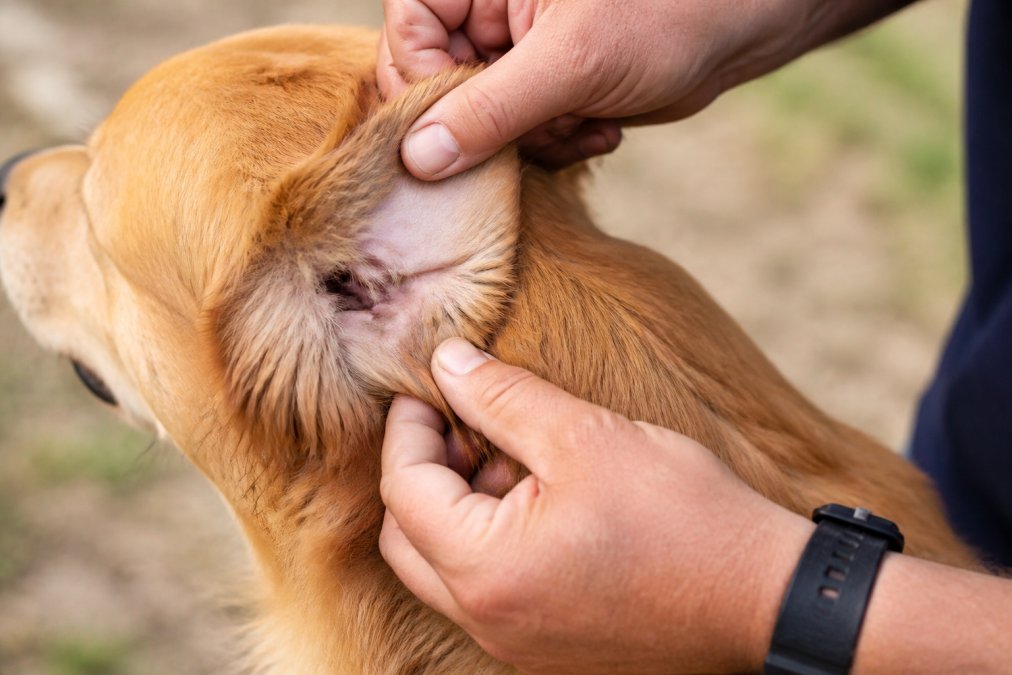
If you find a tick, remove it correctly. Use fine-tipped tweezers to grasp the tick as close to the skin as possible. Pull straight out with steady, firm pressure, don't twist or jerk, as this can leave the mouthparts embedded in the skin. Never squeeze the body of the tick, as this can release infected fluids. Place the removed tick in a sealed container or bag for disposal. Some people prefer to preserve ticks for identification if illness develops later, which can help with diagnosis.
After removing a tick, clean the bite area and your hands with soap and water or an antiseptic. Monitor the bite site for signs of infection or unusual rashes over the next few weeks. Tick-borne diseases like Lyme disease can take days or weeks to show symptoms, so awareness is important.
Establish a routine: check your pet immediately after outdoor time, especially if they've been in wooded areas or tall grass. Daily checks during peak tick season (May through September in most regions) are ideal. This habit alone can prevent dozens of ticks from establishing themselves in your yard. Many pet owners combine tick checks with a regular grooming session, making it part of their routine rather than an extra chore.
Step 4: Apply the Best Tick Repellent for Yards
After clearing habitat and establishing tick checks, applying a yard treatment creates an additional barrier. The best tick repellent for yards combines environmental modification with targeted application. This isn't about spraying your entire property indiscriminately, it's about treating the specific zones where ticks concentrate.
Yard treatments typically fall into two categories: chemical insecticides and natural alternatives. Chemical options often contain permethrin or other synthetic compounds that kill ticks on contact. Natural alternatives use botanical extracts like cedarwood, rosemary, or other plant-based repellents. Each approach has trade-offs in terms of effectiveness, duration, and safety considerations for pets and children.
TickFree Outdoors offers premium yard treatments designed for the specific conditions of tick habitats, with options for both conventional and natural preferences. The key is applying treatments where they'll have the most impact, along yard perimeters, in wooded transition zones, and around areas where your family spends time outdoors.
Timing matters significantly. Apply yard treatments in spring (April-May) before tick populations peak, and again in fall (September-October) before winter dormancy. Some treatments require reapplication every 2-4 weeks during active season, while others provide longer-lasting protection. Always follow label directions carefully regarding safety around pets, children, and water sources.
Focus your application on the tick-safe zone you'll create in the next step. Treating your entire property wastes product and increases unnecessary chemical exposure. Strategic application to identified problem areas is more effective and responsible. Many homeowners see better results from concentrated treatments in key zones than from diluted coverage across the whole yard.
Step 5: Create a Tick-Safe Zone Around Your Home
A tick-safe zone is a defined perimeter around your home, typically 3-5 metres wide, where you've removed tick habitat and applied preventative measures. This zone creates a buffer between your living spaces and the surrounding environment where ticks naturally occur. It's one of the most practical strategies for reducing tick encounters.
Start by identifying the boundaries of your tick-safe zone. This is usually the area immediately surrounding your house, deck, patio, and any frequent outdoor seating areas. Clear this zone of leaf litter, trim vegetation, and maintain short grass. Increase sunlight exposure by removing branches that shade the area. The goal is an environment where ticks are uncomfortable and less likely to establish themselves.
Within this zone, apply a combination of mulch moat and targeted treatment. A 1-2 metre wide barrier of wood chips or gravel creates a dry, inhospitable crossing point for ticks trying to move from wild areas into your yard. Ticks avoid dry, exposed areas, so this physical barrier works alongside habitat modification.
Consider the layout of your property. If you have a wooded border, your tick-safe zone should be wider and more carefully maintained on that side. If your yard is relatively open, you can focus your efforts on specific problem spots. The principle is the same: create and maintain an area where tick survival is difficult.
Maintain your tick-safe zone consistently. Weekly mowing, regular removal of fallen branches, and periodic raking keep the environment hostile to ticks. This isn't a one-time project, it's an ongoing management practice. Many homeowners find that maintaining a tick-safe zone requires less effort than dealing with tick infestations later.
Reinforce your tick-safe zone with personal protective measures. Use TickFree Outdoors sprays, repellent patches, or other personal protection when spending extended time in or near the zone's edges. The zone reduces tick encounters, but combined with personal protection, it creates comprehensive defense against tick-borne disease exposure.
Step 6: Monitor for Ticks and Reinfestation
Your work doesn't end once you've cleared habitat and applied treatments. Ongoing monitoring is essential because tick populations can recover if conditions allow, and new ticks can migrate from neighboring properties. Regular monitoring catches problems early, before they become infestations.
Walk your property weekly during tick season (May through September), particularly after rain when ticks are most active. Look for signs of reinfestation: new leaf litter accumulation, vegetation regrowth, or increased tick sightings on pets or clothing. Early detection means you can address problems before they escalate.
Continue regular tick checks on pets. If you notice a sudden increase in tick encounters on your dog or cat, it signals that environmental conditions are becoming favorable for ticks again. This prompts you to review your clearing efforts and reapply treatments if needed.
Keep records of tick sightings. Note when you find ticks, where on your property they appear, and how many you encounter. Over time, you'll see patterns that reveal whether your management efforts are working. If you're finding fewer ticks as the season progresses, your strategy is effective. If encounters increase, you may need to intensify your efforts or try different approaches.
Seasonal transitions require attention. In late summer, as larvae emerge, tick populations can spike temporarily. In fall, adult ticks become more active before winter dormancy. Adjusting your monitoring frequency and treatment timing based on these patterns keeps your tick-safe zone effective year-round.
If reinfestation occurs despite your efforts, consider professional pest control services. Integrated pest management combines multiple approaches, habitat modification, treatment application, and ongoing monitoring, and professionals have access to tools and expertise that exceed typical DIY efforts. This is a practical option if your property has significant tick pressure or if your efforts aren't producing results.
Remember that ticks in backyard what to do ultimately requires consistency. One thorough cleanup isn't enough; one application of treatment isn't enough. The most successful tick management combines initial habitat work, regular monitoring, seasonal treatments, and personal protection. Over time, this integrated approach significantly reduces tick encounters and the risk of tick-borne disease exposure.
Creating and maintaining a tick-safe zone around your home is challenging work, but it's achievable with the right strategy and tools. TickFree Outdoors provides the premium sprays, repellent patches, and yard treatments you need to protect your family and pets throughout tick season. With fast shipping, great prices, and exceptional customer service, TickFree Outdoors makes comprehensive tick protection accessible. Start with habitat identification and clearing, establish your tick-safe zone, and use TickFree Outdoors products to reinforce your defenses. Shop all tick protection solutions today and take control of your outdoor safety.
== FAQ ANSWERS (audit these too, same rules) ==
[1] Q: Can you get rid of ticks in your backyard completely? A: Yes, with consistent effort. Ticks in backyard infestations can be controlled through habitat modification, regular yard maintenance, and targeted treatments. Remove leaf litter, trim brush, and apply repellents to reduce blacklegged ticks and nymphs. Ongoing maintenance prevents reinfestation.
[2] Q: How long does tick repellent spray last on skin and clothing? A: Most permethrin-based yard treatments last 4-6 weeks depending on weather and rainfall. Personal repellents containing DEET or picaridin typically last 4-8 hours on skin. Reapply after swimming or heavy sweating. Permethrin-treated clothing can remain effective through multiple washes. Check product labels for specific duration claims, and reapply more frequently in high-tick areas or during peak nymph season.
[3] Q: What's the best way to check my dog for ticks after outdoor time? A: Perform a tick check on pets within 2 hours of coming indoors. Use your fingers or a fine-tooth comb to part the fur and inspect the skin, especially around ears, neck, armpits, and between toes where ticks attach. Run your hands over the entire body feeling for small bumps. Remove any ticks with tweezers, grasping close to the skin and pulling straight out. Wash hands afterward and dispose of ticks safely.
[4] Q: Are natural tick repellents as effective as chemical options? A: Natural repellents like cedar oil and neem can reduce tick populations but typically don't provide the same duration or coverage as permethrin-based treatments. They work best as part of an integrated approach combining habitat modification, yard maintenance, and regular monitoring. For heavy tick areas or tick-borne disease prevention, chemical treatments offer more reliable protection. Many homeowners use natural products for personal application and chemical treatments for yards.
Frequently Asked Questions
Can you get rid of ticks in your backyard completely?
Yes, with consistent effort. Ticks in backyard infestations can be controlled through habitat modification, regular yard maintenance, and targeted treatments. Remove leaf litter, trim brush, and apply repellents to reduce blacklegged ticks and nymphs. Ongoing maintenance prevents reinfestation.
How long does tick repellent spray last on skin and clothing?
Most permethrin-based yard treatments last 4-6 weeks depending on weather and rainfall. Personal repellents containing DEET or picaridin typically last 4-8 hours on skin. Reapply after swimming or heavy sweating. Permethrin-treated clothing can remain effective through multiple washes. Check product labels for specific duration claims, and reapply more frequently in high-tick areas or during peak nymph season.
What's the best way to check my dog for ticks after outdoor time?
Perform a tick check on pets within 2 hours of coming indoors. Use your fingers or a fine-tooth comb to part the fur and inspect the skin, especially around ears, neck, armpits, and between toes where ticks attach. Run your hands over the entire body feeling for small bumps. Remove any ticks with tweezers, grasping close to the skin and pulling straight out. Wash hands afterward and dispose of ticks safely.
Are natural tick repellents as effective as chemical options?
Natural repellents like cedar oil and neem can reduce tick populations but typically don't provide the same duration or coverage as permethrin-based treatments. They work best as part of an integrated approach combining habitat modification, yard maintenance, and regular monitoring. For heavy tick areas or tick-borne disease prevention, chemical treatments offer more reliable protection. Many homeowners use natural products for personal application and chemical treatments for yards.
This article was written using GrandRanker