

Table of Contents
- How Tick Repellent Patches Work for Adults
- Health Canada Approved Tick Repellent Options
- Key Active Ingredients and Their Effectiveness
- How to Prevent Tick Bites While Hiking
- Lyme Disease Prevention in Canada and Tick Patches
- How to Perform a Tick Check After Outdoor Activity
- Tick Repellent Patches vs. Chemical Sprays: What Works Best
- Conclusion
Last Updated: August 10, 2026
How Tick Repellent Patches Work for Adults
Tick repellent patches are adhesive patches infused with plant-based active ingredients that create a protective barrier against ticks without requiring skin contact with sprays or lotions. Unlike traditional sprays, these patches release volatile organic compounds in a sustained manner, establishing a repellent zone around your body that deters ticks from landing or attaching.
The patch's adhesive backing keeps it secured to your clothing or exposed skin, while the essential oil infused formulation gradually releases protective compounds. This sustained release mechanism means you're not reapplying every few hours like you would with spray repellents. Most patches maintain effectiveness for 8 hours or longer, making them ideal for day hikes, camping trips, and extended outdoor adventures.
What separates tick repellent patches from older tick prevention methods is their convenience factor. You apply once in the morning and focus on your outdoor activity instead of worrying about reapplication timing. TickFree Outdoors offers patches designed for the Canadian outdoor environment, balancing efficacy with skin-friendly ingredients suitable for extended outdoor exposure.
Health Canada Approved Tick Repellent Options
When selecting tick repellent products in Canada, Health Canada approval provides baseline assurance of safety and efficacy. Health Canada's regulatory framework ensures that approved repellents have undergone rigorous testing for both effectiveness and potential adverse effects. Products containing DEET, picaridin, or other synthetic active ingredients typically carry formal approval, while plant-based alternatives may operate within different regulatory pathways.
For tick repellent patches specifically, the approval landscape is evolving. Patches containing geraniol, lemongrass oil, citronella oil, and other natural repellent compounds are gaining traction across Canada. These ingredients have documented tick-repellent properties, though regulatory status varies depending on the specific formulation and product classification.
When shopping for tick protection, look for products that clearly state their active ingredients and any relevant certifications or approvals. TickFree Outdoors products are formulated with attention to Canadian regulatory standards and customer safety, offering patches and sprays suitable for the range of outdoor conditions Canadians encounter.
The practical reality: many effective tick repellent patches use plant-based ingredients that fall outside formal Health Canada approval but have strong safety records and demonstrated efficacy. Your choice depends on whether you prioritize formal regulatory approval or are comfortable with well-established natural alternatives backed by ingredient transparency and customer feedback.
Key Active Ingredients and Their Effectiveness
The active ingredients in tick repellent patches determine how well they work and how long protection lasts.
Geraniol is one of the most common plant-based tick repellents found in patches. This naturally occurring compound, derived from geranium oil and other botanical sources, has demonstrated effectiveness against a range of ticks by interfering with tick sensory receptors. Geraniol carries a strong safety profile, having been used in cosmetics and fragrances for decades, making it suitable for skin-sensitive users.
Lemongrass oil brings both repellent and mild antimicrobial properties. Ticks find the scent profile unpleasant, and this essential oil maintains its potency in patch formulations for extended periods. When combined with other ingredients, lemongrass oil contributes to sustained protection without requiring frequent reapplication.
Citronella oil is perhaps the most recognized natural repellent. Citronella's volatile compounds create an olfactory barrier that repels ticks from approaching, though its effectiveness diminishes faster than some alternatives, typically providing 4-6 hours of strong protection.
DEET-free formulations have become increasingly important for consumers concerned about synthetic chemicals. Many tick repellent patches marketed in Canada specifically highlight their DEET-free status, using plant-based alternatives instead.
Most effective patches combine multiple botanical compounds, creating a synergistic effect where geraniol handles primary repellency, lemongrass adds secondary protection, and citronella provides an additional sensory deterrent. This multi-ingredient approach extends duration and improves reliability compared to single-compound formulations.
How to Prevent Tick Bites While Hiking
Preventing tick bites while hiking requires a layered approach combining proper clothing, timing awareness, and chemical or botanical protection.
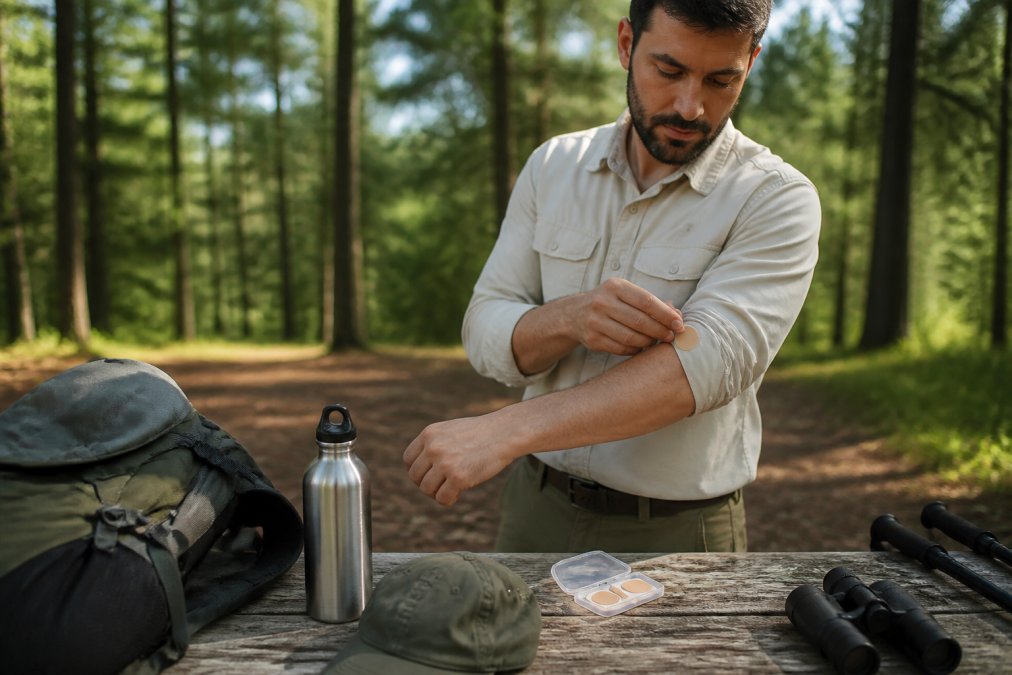
Clothing strategy: Wear light-colored, long-sleeved shirts and full-length pants when hiking in areas known for tick activity. Light colors make ticks more visible. Tuck your pants into your socks or boot tops to create a physical barrier that forces ticks to crawl over fabric rather than directly accessing skin. Many experienced hikers treat their clothing with permethrin-based sprays before heading out, creating an additional chemical barrier on the fabric itself.
Timing and location awareness: Ticks are most active during warmer months (typically May through September in most Canadian regions), with peak activity in early summer. They congregate in tall grass, brush, and wooded areas with high humidity. Hiking on well-maintained trails rather than bushwhacking through dense vegetation reduces exposure significantly.
Repellent application: Apply tick repellent patches to your clothing at least 15 minutes before entering tick habitat. Place patches on your sleeves, pant legs, and collar, areas where ticks are most likely to encounter the repellent first.
Post-hike inspection: Inspect your entire body within 2 hours of returning indoors, paying special attention to areas ticks prefer: behind ears, along the hairline, in armpits, behind knees, and in groin areas.
TickFree Outdoors patches are designed for all-day hiking protection without the reapplication hassle of sprays.
Lyme Disease Prevention in Canada and Tick Patches
Lyme disease, transmitted by infected blacklegged ticks, represents the primary health concern driving tick prevention in Canada. The disease has expanded its geographic range significantly over the past decade, with tick populations now established in regions where they were previously rare.
Blacklegged ticks are the only tick species in Canada capable of transmitting Lyme disease. These ticks are smaller than other common species and often go unnoticed during casual outdoor activities. Infection risk increases the longer an infected tick remains attached, typically 24-48 hours of attachment increases transmission risk substantially.
The geographic distribution of Lyme disease in Canada has shifted dramatically. Public Health Agency of Canada's Lyme disease surveillance data documents established tick populations in parts of Ontario, Quebec, Manitoba, and British Columbia. Provinces like Nova Scotia and New Brunswick have seen increasing tick populations in recent years.
Tick repellent patches play a crucial role in Lyme disease prevention by reducing the likelihood of tick attachment in the first place. By maintaining an 8-hour barrier of botanical repellents, patches prevent many ticks from ever making contact with your skin.
Early Lyme disease symptoms, including the characteristic "bull's-eye" rash, fever, and joint pain, can appear 3-30 days after infection. Antibiotic treatment is effective in early stages, but long-term Lyme disease can cause serious complications affecting joints, the nervous system, and heart function.
If you're spending time outdoors in any Canadian region with established blacklegged tick populations, tick prevention is smart outdoor safety. Using tick repellent patches, performing thorough tick checks, and understanding your local risk profile are the foundations of Lyme disease prevention.
How to Perform a Tick Check After Outdoor Activity
A proper tick check after outdoor activity is your last line of defense against tick-borne illness. A thorough inspection takes 10-15 minutes but can prevent serious health consequences.
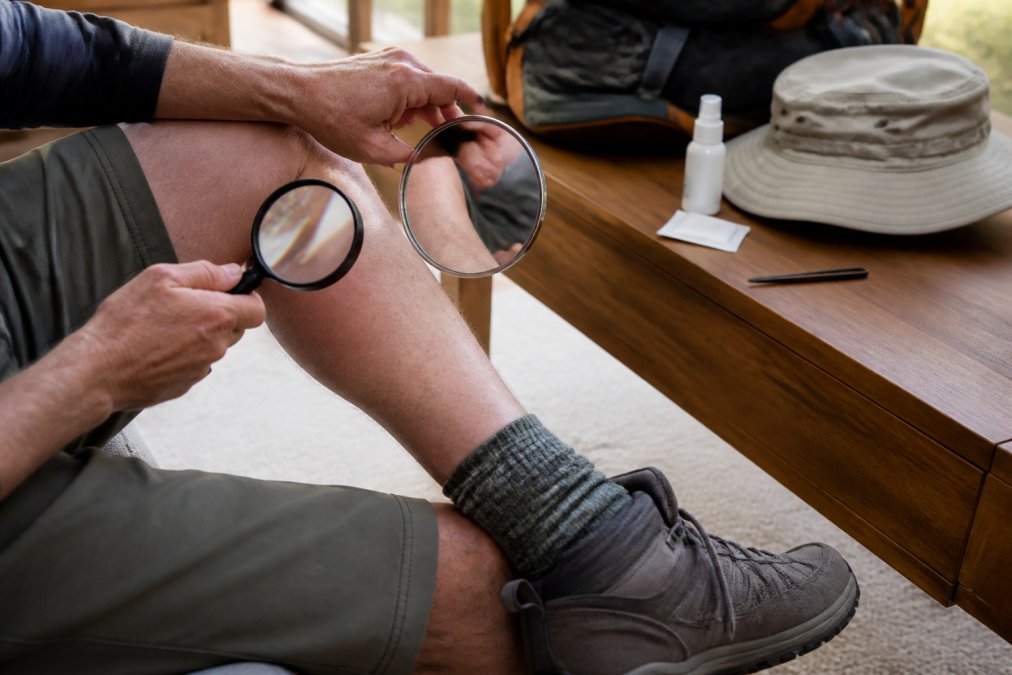
Step 1: Undress completely and inspect clothing. Remove all clothing and inspect it carefully, paying special attention to seams, waistbands, and cuffs where ticks often hide. Place worn clothing in a sealed bag or directly into the washing machine. Hot water and high heat drying will kill any attached ticks.
Step 2: Start with your head and work downward. Begin your skin inspection at your scalp and hairline, using your fingers to part hair and check for ticks. Blacklegged tick nymphs are tiny, about the size of a poppy seed, making them easy to overlook.
Step 3: Check behind ears and along the jawline. These areas are tick favorites because they're warm, moist, and often receive less attention during casual inspection. Use a handheld mirror to see the back of your ears and neck clearly.
Step 4: Inspect armpits, groin, and behind knees. These warm, moist areas are prime tick attachment sites. Use a mirror to see behind your knees thoroughly.
Step 5: Check between toes and along the feet. Ticks commonly attach to feet and between toes. Examine the soles of your feet, between each toe, and along the ankle area thoroughly.
Step 6: If you find a tick, remove it properly. Use fine-tipped tweezers to grasp the tick as close to the skin as possible. Pull straight out with steady, even pressure. Place the removed tick in a sealed container. Do not crush the tick with your bare hands or apply petroleum jelly, heat, or other home remedies, as these can cause the tick to regurgitate potentially infectious material into your bite wound.
Step 7: Clean the bite area. Wash the bite site with soap and water, and apply an antiseptic. Mark the calendar with the date of the tick bite. If a rash or flu-like symptoms develop in the following weeks, seek medical attention and mention the tick exposure.
Tick Repellent Patches vs. Chemical Sprays: What Works Best
The choice between tick repellent patches and traditional chemical sprays involves trade-offs in convenience, duration, and personal preference regarding chemical exposure.
Spray repellents offer immediate coverage and work on both skin and clothing simultaneously. Products containing DEET or picaridin provide well-documented tick protection, with DEET-based sprays typically offering 4-8 hours of protection. The advantage is flexibility; you can apply spray to specific body areas as needed and reapply throughout the day. The disadvantage is the reapplication requirement and the sticky, wet feeling many people find unpleasant.
Tick repellent patches provide set-it-and-forget-it convenience. Once applied to your clothing in the morning, they work continuously for 8+ hours without requiring attention or reapplication. This makes patches ideal for full-day hiking, camping, or other extended outdoor activities. The trade-off is less flexibility; you're committed to the patch's duration and can't easily adjust coverage.
Patches using plant-based ingredients offer psychological comfort for people concerned about synthetic chemicals. However, plant-based patches may not provide as long-lasting protection as DEET-based sprays in all conditions.
Cost consideration: Pricing for spray repellents and patches depends on quantity, dates, and delivery. Please visit the TickFree Outdoors website for current prices.
Practical recommendation: Many experienced outdoor enthusiasts use a combination approach, applying a tick repellent patch to clothing in the morning for baseline protection, then carrying a spray repellent for touch-ups if they're spending extended time in particularly high-risk areas.
TickFree Outdoors offers both patches and sprays, allowing you to choose the approach that fits your outdoor routine. For hikers planning full-day outings, patches eliminate the reapplication hassle.
Tick prevention in Canada requires a realistic assessment of your local risk, consistent application of protective measures, and thorough post-activity inspection. Tick repellent patches for adults have become an increasingly popular choice because they combine convenience with effective protection.
The landscape of tick-borne disease in Canada continues to evolve as temperatures shift and tick populations expand into new regions. Whether you're hiking in established tick hotspots like southern Ontario or exploring areas where ticks are newly established, having a reliable prevention strategy protects both your immediate outdoor enjoyment and your long-term health.
TickFree Outdoors provides tick repellent patches and complementary outdoor safety products designed specifically for Canadian conditions and outdoor enthusiasts. With fast shipping, competitive pricing, and comprehensive customer support, TickFree Outdoors makes it simple to access the tick protection you need before your next outdoor adventure. Explore our full range of tick prevention solutions and outdoor safety products at TickFree Outdoors, because peace of mind enhances every outdoor experience.
Frequently Asked Questions
Do tick repellent patches actually work for adults?
Tick repellent patches for adults function through sustained-release technology that creates a protective barrier against ticks. They work by emitting plant-based repellent compounds, such as geraniol and lemongrass oil, that deter ticks from making contact with your skin. Efficacy depends on proper application, patch placement on exposed areas, and consistent use throughout outdoor exposure. Research indicates these patches provide meaningful protection when used as directed, though they perform best as part of a comprehensive tick prevention strategy that includes clothing choices and post-activity tick checks.
Are tick repellent patches Health Canada approved?
Tick repellent patches sold in Canada must meet Health Canada's regulatory standards for over-the-counter insect repellents. When selecting patches, look for products that comply with Health Canada's Natural and Non-prescription Health Products Directorate (NNHPD) guidelines. Products marketed as natural or plant-based should carry appropriate labeling indicating compliance. Always verify that the patch you choose displays Health Canada approval or compliance information on its packaging before purchase.
How long do tick repellent patches protect adults?
Most tick repellent patches designed for adults provide protection for 8 to 12 hours of outdoor exposure, depending on the specific product formulation and environmental conditions. Factors affecting duration include temperature, humidity, perspiration, and the intensity of your outdoor activity. Patches using sustained-release technology tend to maintain effectiveness longer than traditional sprays. For extended outdoor trips or all-day hiking, you may need to reapply patches or use additional protective measures to maintain continuous protection.
Can tick repellent patches prevent Lyme disease in Canada?
Tick repellent patches reduce your risk of Lyme disease by preventing tick bites before they occur. Since Lyme disease is transmitted through infected tick bites, preventing contact with ticks is your primary defense. In Canada, particularly in provinces with established Lyme disease populations like Ontario, Quebec, and British Columbia, using repellent patches as part of a multi-layered approach, including proper clothing, tick checks, and yard management, significantly lowers your infection risk. However, no repellent offers 100% protection, so post-activity tick inspection remains essential.
This article was written using GrandRanker