

Table of Contents
- Why Tick Protection Matters for Dogs
- How to Check a Dog for Ticks After Outdoor Activity
- Tick Removal for Dogs: Safe Extraction Methods
- Preventive Tick Treatments: Chewables, Topicals, and Collars
- Understanding Tick Season Duration and Peak Activity
- Environmental Management: Reducing Tick Habitat in Your Yard
- Natural and Holistic Tick Prevention: Efficacy vs. Convenience
- Conclusion
Last Updated: August 21, 2026
Why Tick Protection Matters for Dogs
Ticks pose a serious health risk to dogs, far beyond the nuisance of itching. These parasites are vectors for diseases like Lyme disease, which can cause long-term joint problems, fever, and lethargy in affected dogs (peer-reviewed research). Understanding how to protect dogs from ticks is one of the most important preventive measures any dog owner can take, especially if your dog spends time in wooded areas, tall grass, or near green belts where ticks thrive. Tick prevention isn't optional, it's essential for your dog's health and your peace of mind.
Tick season typically runs from spring through fall, with peak activity during warmer months. During this window, a single tick bite can transmit multiple pathogens. The earlier you start protecting dogs from ticks, the better your odds of avoiding costly veterinary treatments and the stress of watching your dog suffer from tick-borne diseases. This guide covers every angle of tick protection, from daily inspection techniques to environmental management strategies.
How to Check a Dog for Ticks After Outdoor Activity
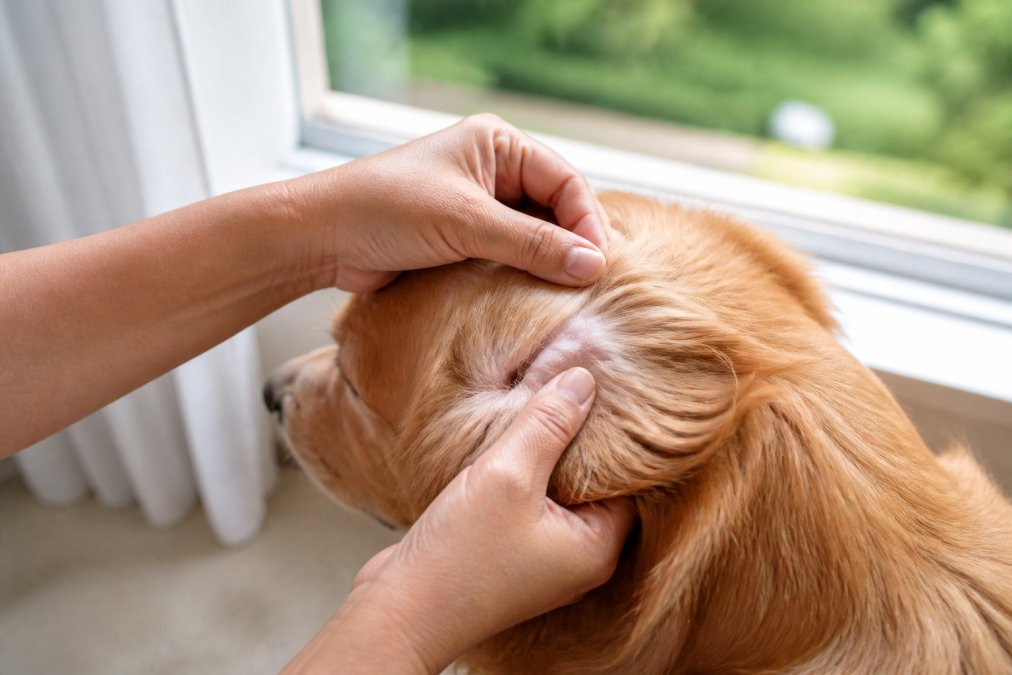
Daily inspection is your first line of defense against tick attachment and disease transmission. The best time to check is immediately after your dog comes inside from outdoor play, hiking, or yard time. Ticks need time to burrow into the skin, so catching them early dramatically reduces the risk of pathogen transmission.
What to Look For
Ticks appear as small, dark bumps on the skin, though their size varies depending on life stage. Adult ticks are roughly the size of a sesame seed, while nymph-stage ticks are much smaller, about the size of a pinhead, and often harder to spot. Larval-stage ticks are nearly invisible to the naked eye. Focus your search on areas where ticks commonly attach: ears, the base of the tail, between the toes, armpits, and the skin folds around the neck and groin.
Run your fingers slowly through your dog's coat, feeling for small bumps or irregularities. Ticks that have already begun feeding will feel slightly raised. Look for any dark spots that weren't there before. If you find a tick that hasn't embedded yet, it may simply brush off, but embedded ticks require proper removal.
Best Inspection Techniques
Use a systematic approach rather than random checking. Start at the head and work backward toward the tail, parting the fur as you go. Pay special attention to areas with thinner fur where ticks can attach more easily. For long-haired dogs, use a fine-tooth comb or your fingers to part the coat and get a clear view of the skin.
In tick-heavy seasons, inspect your dog twice daily if possible, once after outdoor activity and once before bed. This doubles your chances of finding ticks before they transmit disease. Many dog owners also use a tick comb specifically designed to catch and remove ticks from the coat. These combs trap ticks in their teeth, allowing you to remove them without touching them directly.
Keep a damp cloth or paper towel nearby during inspection. If you find a tick, don't panic, just proceed to proper removal.
Tick Removal for Dogs: Safe Extraction Methods
Improper tick removal can leave the tick's head embedded in your dog's skin or cause the tick to release pathogens directly into the wound. The goal is to remove the entire tick, body and head, without squeezing, crushing, or irritating it.
Step-by-Step Removal Process
Step 1: Gather Your Tools You'll need fine-point tweezers (not your fingers), a small container, rubbing alcohol, and a clean cloth. Never use your bare hands, ticks can carry pathogens that enter through cuts in your skin.
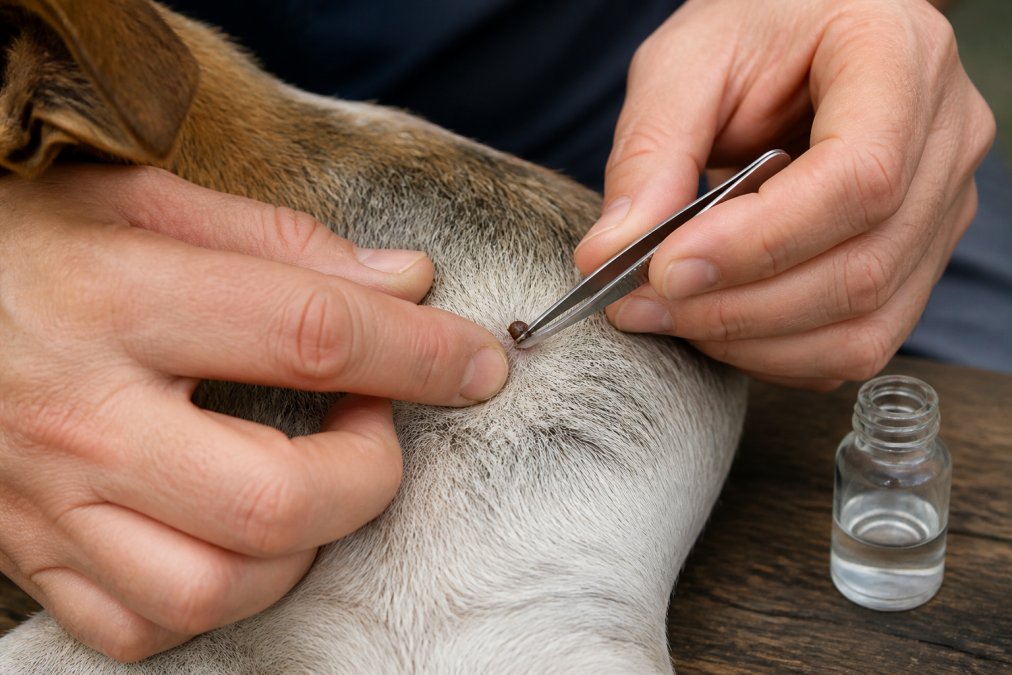
Step 2: Grasp the Tick Properly Using fine-point tweezers, grip the tick as close to the skin as possible, targeting the head and mouthparts rather than the body. Grasping the body can cause the tick to regurgitate pathogens into the bite wound.
Step 3: Pull Straight Out Apply steady, firm pressure and pull straight upward. Don't twist, jerk, or yank, a slow, consistent pull is far more effective. The tick should come out cleanly within a few seconds. If the head breaks off and remains embedded, use the tweezers to remove it separately.
Step 4: Dispose of the Tick Safely Place the tick in a small container filled with rubbing alcohol or seal it in a plastic bag. Never crush a tick with your fingers or flush it down the toilet, ticks are surprisingly resilient. If you want to preserve the tick for testing (useful if your dog develops symptoms of tick-borne illness), place it in a sealed container in the freezer.
Post-Removal Care and Monitoring
After removal, clean the bite area with rubbing alcohol or an antiseptic wash. Don't apply essential oils, petroleum jelly, or other home remedies, these can actually increase the risk of infection. Monitor the bite site for signs of infection over the next few days. If redness, swelling, or discharge develops, contact your veterinarian.
Keep a record of when and where you found the tick. If your dog develops symptoms like fever, lethargy, or lameness within 3-30 days, this information helps your vet diagnose tick-borne diseases quickly. Some diseases like Lyme disease can take weeks to show symptoms, so ongoing vigilance matters.
Preventive Tick Treatments: Chewables, Topicals, and Collars
While daily inspection and removal are critical, they're not enough on their own. Preventive medications and repellents provide systemic protection that stops ticks before they attach. There are three main categories of preventive treatments, each with different mechanisms and timelines.
Chewable Preventives
Chewable tick preventives work systemically, circulating through your dog's bloodstream to kill ticks on contact. Most chewables begin working within 30 minutes and provide protection for 30 days (consult your veterinarian for specific product details and approvals from Health Canada).
Chewables typically target multiple parasites, including fleas and intestinal worms, making them a comprehensive parasite control solution. Your veterinarian can recommend which chewable is best for your dog's age, weight, and health status. The downside is that chewables require your dog to swallow them, which isn't ideal for dogs with difficulty taking pills.
Topical Treatments
Topical treatments are applied directly to the skin, usually at the base of the neck where your dog can't lick them off. These create a protective barrier on the skin and coat, killing ticks on contact and preventing attachment. Most topicals provide 30 days of protection and are applied monthly.
Topicals work quickly, often within hours, and many dogs tolerate them well since there's no pill to swallow. They're especially useful for dogs that resist chewables. The trade-off is that topical treatments can leave residue on your dog's coat, and some dogs experience skin irritation at the application site.
Tick Collars and Repellent Patches
Modern tick collars release a gas that repels ticks and fleas, creating a protective zone around your dog's head and neck. Some collars provide up to 8 months of protection, making them a longer-lasting option than monthly treatments. They're odorless and don't require application or ingestion.
Repellent patches work similarly, releasing active ingredients that deter ticks from attaching. These are particularly useful for dogs that spend extended time outdoors or for hunters and campers who need odorless protection during extended outdoor stays. Collars and patches are ideal if you prefer a "set it and forget it" approach to tick prevention.
The limitation of collars and patches is that they primarily protect the head and neck area, leaving the rest of the body less protected than systemic treatments. They work best as part of a layered approach alongside yard treatments and daily inspection.
Understanding Tick Season Duration and Peak Activity
Tick season varies by region, but generally runs from spring through fall. In warmer climates, ticks can remain active year-round. Peak activity occurs during late spring and early summer when temperatures consistently exceed 10°C, which is when both nymph and adult ticks are most active and seeking hosts (as noted by public health agencies).
Understanding tick season duration helps you time your preventive efforts. Many veterinarians recommend starting tick prevention in early spring and continuing through late fall, or year-round in mild climates. Some dog owners maintain protection during winter months as well, especially if they live in areas with mild winters or if their dogs spend time in protected outdoor spaces like gardens or covered patios.
The nymph stage of tick development is particularly dangerous because these tiny ticks are easy to miss during inspection and often carry pathogens. Nymphs are most active in early summer, which is why June through August represents peak risk for tick-borne disease transmission.
Environmental Management: Reducing Tick Habitat in Your Yard
Ticks thrive in tall grass, leaf litter, and wooded areas. Reducing tick habitat on your property significantly decreases the number of ticks your dog encounters. Start by maintaining your yard to eliminate prime tick real estate: mow grass regularly, remove fallen leaves and brush, and create a buffer zone between your lawn and wooded areas.
Ticks hide in tall grass waiting for a host to pass by. Keeping your lawn mowed to 5-8 centimeters (2-3 inches) reduces tick numbers dramatically. Remove dead branches, fallen leaves, and brush piles where ticks shelter and reproduce. If your property borders a wooded area, create a 3-meter buffer zone of cleared, mowed space. This barrier makes it harder for ticks to migrate from the woods into your yard.
Consider applying a yard treatment to high-risk areas. These sprays target ticks in the environment and are particularly effective in wooded areas or near the edges of your property. Yard treatments typically need reapplication every 4-6 weeks during tick season. Many pet owners use yard treatments in combination with preventive medications on their dogs for layered protection.
Natural and Holistic Tick Prevention: Efficacy vs. Convenience
Many dog owners prefer natural alternatives to synthetic preventives, but the evidence for natural tick prevention is mixed. Essential oils like cedarwood, eucalyptus, and lavender have some repellent properties, but they wear off quickly, often within 2-4 hours, requiring frequent reapplication. This means higher costs and more handling over time.
Natural sprays and powders can reduce tick attachment rates, but they're generally less effective than prescription preventives or even over-the-counter synthetic treatments. If you choose a natural approach, understand that it requires more frequent application and more rigorous daily inspection. The convenience trade-off is significant.
Some holistic approaches focus on diet and immune support, with the theory that a healthy dog is less attractive to parasites. While general health supports parasite resistance, no diet alone prevents tick attachment. These approaches work best as supplements to, not replacements for, preventive treatments and environmental management.
If you prefer natural options, consider a hybrid approach: use a natural spray for short outdoor trips, combine it with daily inspection, and apply a more potent preventive before extended outdoor activities or during peak tick season. This balances your preference for natural products with the reality that tick-borne diseases pose serious health risks.
Protecting your dog from ticks requires a multi-layered approach: daily inspection, prompt removal, preventive medications, environmental management, and awareness of tick season timing. No single strategy is foolproof, but combining these methods dramatically reduces your dog's risk of tick attachment and disease transmission. TickFree Outdoors provides premium sprays, repellent patches, and yard treatments designed to integrate seamlessly into your tick prevention routine. Start with daily inspection, add a preventive treatment your veterinarian recommends, and implement yard management to create a comprehensive defense against ticks. Your dog's health depends on consistent, proactive protection.
Frequently Asked Questions
How often should I check my dog for ticks during tick season?
Daily inspection is ideal, especially after outdoor activity in wooded areas or tall grass. Check your dog thoroughly in the morning and evening during peak tick season. Focus on warm areas like the ears, neck, armpits, and between the toes where ticks prefer to attach. Even a quick 5-minute daily check can catch ticks before they transmit pathogens like Lyme disease.
What's the safest way to remove a tick from my dog?
Use fine-point tweezers to grasp the tick as close to the skin as possible. Pull straight upward with steady pressure, do not twist or jerk. Avoid crushing the tick, as this can release pathogens. Place the removed tick in a sealed container or alcohol-soaked cloth. Clean the bite area with soap and water or a disinfectant. Never use heat, petroleum jelly, or nail polish to remove ticks.
Are natural tick prevention methods effective for dogs?
Natural alternatives like essential oil sprays and herbal collars offer some repellent properties but typically provide shorter protection windows than prescription or over-the-counter systemic treatments. Many natural products require frequent reapplication, which increases cost and inconvenience. For dogs in high-risk areas or those with frequent outdoor exposure, veterinary-approved preventives offer more reliable systemic protection and pathogen prevention.
When should I start tick prevention on my dog?
Begin preventive medication before tick season starts in your region. Most areas see tick activity increase in spring and peak through summer and early fall. Consult your veterinarian about the best timing for your dog's age, breed, and health status. Some preventives are year-round, while others are seasonal. Starting early prevents tick attachment and reduces the risk of tick-borne disease transmission.
This article was written using GrandRanker