

Table of Contents
- Understanding Tick Habitats and Seasonal Activity
- Permethrin Clothing Treatment: Application and Efficacy
- Tick Repellents: Chemical and Natural Options for Wooded Exposure
- Yard Maintenance and Environmental Modification
- How to Perform a Tick Check After Time in the Woods
- How to Remove a Tick Safely and Prevent Infection
- Protecting Pets from Ticks in Wooded Areas
- Conclusion
Last Updated: August 22, 2026
Understanding Tick Habitats and Seasonal Activity
Ticks thrive in specific environments where humidity remains high and temperatures stay moderate. These parasites actively seek hosts in leaf litter, brush, and tall grass. Wooded areas create ideal tick habitats with dense vegetation, moist shaded environments, and leaf litter providing perfect conditions for ticks to survive and wait for passing hosts.
Nymphal stage ticks are particularly abundant during spring and early summer, making this period critical for outdoor enthusiasts (the CDC). Adult ticks typically emerge in fall and spring, while nymphs, the size of a poppy seed and hardest to spot, peak in late spring and early summer. This timeline means your tick protection for heavy wooded areas strategy should shift with the seasons. Spring hikes demand the most vigilant precautions, though summer and fall exposure remains significant.
Host-seeking behavior intensifies during warmer months, though ticks remain active whenever temperatures stay above freezing. Most areas see elevated tick activity from April through October. Marked trails offer some protection compared to bushwhacking, but they're not tick-free zones. Ticks position themselves where they're most likely to encounter a passing animal or person, though heavily trafficked, regularly cleared trails have fewer ticks than dense brush adjacent to the path.
Permethrin Clothing Treatment: Application and Efficacy
Permethrin-treated clothing stands as one of the most effective defenses against tick attachment. Unlike DEET or picaridin, which deter insects, permethrin is an insecticide that paralyzes and kills ticks on contact.
Spray permethrin evenly across all exposed fabric, socks, pants, shirt, and hat, until damp but not dripping. Allow treated clothing to dry completely before wearing, typically 24 hours. One application lasts through multiple washes, making it cost-effective over an outdoor season. The CDC recognizes permethrin as an EPA-approved method for tick prevention on clothing and gear (the CDC).
Coverage matters: ticks crawl upward, so treating your socks and the lower 30 centimetres of your pants provides critical protection. Tucking pants into socks creates a physical barrier that forces ticks to climb treated fabric before reaching skin. Permethrin has minimal toxicity to humans when applied to clothing and breaks down on skin contact, though it's toxic to cats, so keep treated clothing away from feline pets.
Fresh applications need 24 hours to cure before providing full efficacy. Over-applying to saturation wastes product; damp fabric is sufficient. Many outdoor enthusiasts treat their entire hiking wardrobe once per year and reapply only to high-contact areas as needed.
Tick Repellents: Chemical and Natural Options for Wooded Exposure
DEET and picaridin represent the most effective chemical options for tick protection in heavy wooded areas. DEET concentrations of 20-30% provide strong protection lasting 4-6 hours (the CDC). Picaridin offers comparable efficacy with a lighter feel and less odor, a significant advantage for hunters and campers seeking extended outdoor stays.
Spray or cream repellents should cover all exposed skin, including behind ears, along the hairline, and the back of the neck. Reapply every 4-6 hours or after swimming or heavy sweating. Combining permethrin-treated clothing with a skin repellent creates layered protection that catches ticks before they reach skin.
Natural alternatives like eucalyptus and lavender show some repellent properties but typically last only 1-2 hours before requiring reapplication. This creates a practical problem: relying on natural options means constantly reapplying throughout a day outdoors. No natural alternative matches DEET or picaridin's 4-6 hour protection window.
Integrated pest management approaches combine multiple methods rather than relying on a single repellent. Treating clothing with permethrin, applying a skin repellent, wearing light-colored clothing to spot ticks easily, and performing thorough tick checks after outdoor time create overlapping defenses. Even permethrin-treated clothing occasionally misses ticks that find gaps or attach to untreated areas.
TickFree Outdoors recognizes that heavy wooded areas demand serious protection. Premium sprays and repellent patches offer convenient alternatives to traditional lotions and creams, providing protection that lasts through extended outdoor adventures.
Yard Maintenance and Environmental Modification
Your yard's tick burden depends largely on habitat quality. Ticks require moisture, shade, and leaf litter to survive. A well-maintained yard with regular mowing, cleared brush, and removed leaf litter becomes inhospitable to ticks.
Create a wood chip barrier at least one meter wide between your lawn and any wooded edges. Ticks struggle to cross dry wood chips, significantly reducing tick migration from wild areas into your yard. Maintain this barrier by refreshing wood chips annually and keeping the boundary clear of debris.
Regular mowing keeps grass short; ticks have difficulty finding hosts in lawn under 10 centimetres. Remove leaf litter from your yard, particularly near seating areas and play spaces. Clear vegetation away from the house's foundation and keep trees pruned to allow sunlight penetration, further reducing suitable tick habitat.
Perimeter spray treatments can suppress tick populations in high-risk areas. Timing matters: spray in late spring when nymphs are active and again in fall before adult ticks seek shelter. Integrated yard management combining environmental modification with targeted spraying in high-use areas reduces your family's exposure while minimizing chemical use.
How to Perform a Tick Check After Time in the Woods
A thorough tick check within two hours of leaving wooded areas catches most attached ticks before they transmit pathogens. This is your most powerful personal defense, and it's free.
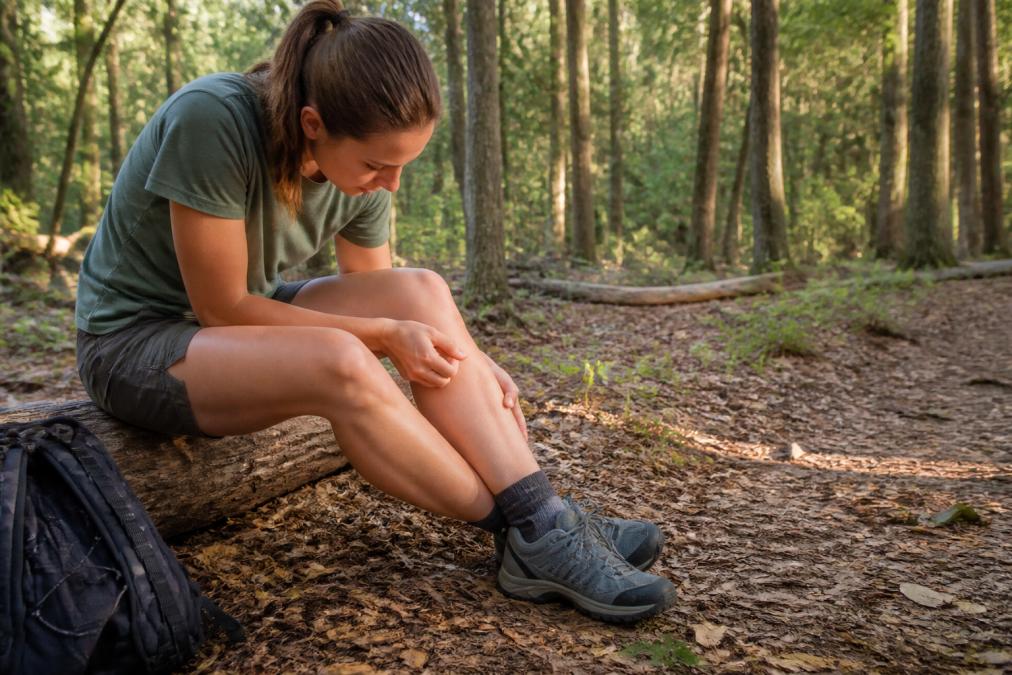
Remove all clothing and place it directly in a dryer on high heat for 10 minutes. This kills any ticks still on fabric. While clothes dry, perform a visual inspection of your entire body using a mirror to examine your back. Pay special attention to warm, moist areas where ticks prefer to attach: behind knees, in groin folds, armpits, and along the hairline.
Run your fingertips across your skin, feeling for small bumps. Attached ticks create a slight raised area. The tactile check catches ticks your eyes might miss, particularly nymphs. Pay particular attention to the scalp and hairline.
A complete tick check takes 10-15 minutes. Slow, methodical inspection is more effective than hurried surface-level checks. Perform this check even if you didn't notice ticks during your hike, as tick attachment is often painless.
How to Remove a Tick Safely and Prevent Infection
Use fine-tipped tweezers or a tick removal tool. Grasp the tick as close to the skin as possible, directly behind its head. Pull straight upward with steady, even pressure. Don't twist or jerk; these motions cause the tick's mouthparts to break off and remain embedded. Remove the entire tick in one smooth motion.
After removal, clean the bite area with soap and water or rubbing alcohol. Place the removed tick in a sealed container or plastic bag. Some public health authorities recommend saving the tick for identification if you develop symptoms.
Do not crush the tick with your bare fingers. The tick's body fluids may contain pathogens. If you don't have tweezers immediately available, use a tissue or paper towel to grasp the tick.
Watch the bite site for signs of infection over the following weeks. A spreading rash, fever, or joint pain warrant immediate medical attention. Early treatment of tick-borne diseases like Lyme disease dramatically improves outcomes. Remove ticks within 24 hours of attachment, ideally much sooner.
Protecting Pets from Ticks in Wooded Areas
Dogs frequently exposed to wooded areas face constant tick pressure. Pet-specific protection combines topical treatments, oral medications, and environmental management.

Veterinary-prescribed flea and tick treatments remain the gold standard. Monthly topical treatments, oral medications, and collars each offer different advantages. Work with your veterinarian to find the most effective option for your dog's lifestyle.
Inspect your dog thoroughly after outdoor time in wooded areas. Run your hands through the coat, feeling for small bumps. Check ears, between toes, in skin folds, and along the tail. Daily checks during peak season catch most ticks before they feed heavily.
Bathing your dog with tick-repelling shampoo provides temporary additional protection but shouldn't replace veterinary treatments. Consider environmental management around your home by keeping your yard clear of leaf litter and brush where ticks hide.
Long-haired dogs require more frequent checking because ticks hide more easily in dense coats. Consider professional grooming that includes tick inspection, or trim your dog's coat shorter during peak season. Never use human tick repellents on pets, as many products safe for human skin are toxic to dogs.
Tick protection for heavy wooded areas requires a multi-layered approach. No single method is perfect, but combining permethrin-treated clothing, skin repellents, thorough tick checks, and proper removal techniques creates overlapping defenses that dramatically reduce your risk. TickFree Outdoors provides premium sprays, repellent patches, and yard treatments designed for serious outdoor enthusiasts who won't compromise on protection. With fast shipping, great prices, and exceptional customer service, we make it simple to safeguard yourself, your family, and your pets for all your wooded adventures. Shop all our tick protection products today and enjoy the outdoors with confidence.
Frequently Asked Questions
What is the most effective tick repellent for deep woods?
DEET and picaridin are the most effective repellents for heavy wooded areas, with DEET concentrations of 20-30% providing protection for several hours. Permethrin-treated clothing offers an additional layer by killing ticks on contact rather than repelling them. For extended outdoor stays in tick-heavy environments, combining a skin repellent with permethrin-treated clothing provides the strongest defense against tick-borne diseases.
Does permethrin-treated clothing really work against ticks?
Yes, permethrin-treated clothing is highly effective. Permethrin kills ticks, mosquitoes, and other arthropods on contact without requiring skin absorption. Clothing treated with permethrin remains effective through multiple washes and provides protection for months. This makes it ideal for hunters, campers, and hikers in wooded areas where tick exposure is high and extended outdoor time is common.
How long does tick protection last after applying repellent to skin?
Duration depends on the active ingredient and concentration. DEET typically lasts 4-6 hours, while picaridin offers similar protection. Natural alternatives like essential oil-based repellents may require reapplication every 1-2 hours. Factors like sweating, water exposure, and friction reduce efficacy. For heavy wooded areas with high tick density, reapplication during the day ensures consistent protection.
How can I protect my dog from ticks in wooded areas?
Combine multiple strategies: use veterinary-approved tick preventatives, check your dog thoroughly after woodland exposure, and consider permethrin-treated clothing or harnesses designed for pets. Maintain your yard by clearing leaf litter and brush where ticks hide. After outdoor time, wash your dog with warm water to remove any ticks before they attach. Regular grooming helps you spot ticks early, reducing the risk of tick-borne disease transmission.
This article was written using GrandRanker