

Table of Contents
- Why Natural Tick Patches Matter for Outdoor Safety
- Are Tick Repellent Stickers Effective? What the Data Shows
- Natural Tick Repellent for Kids Canada: Safety and Options
- Health Canada Tick Repellent Guidelines and Standards
- Plant-Based Ingredients in Tick Patches: Essential Oils That Work
- How to Buy Natural Tick Patches Online: What to Look For
- Application Best Practices for Maximum Protection
- Conclusion
Last Updated: August 7, 2026
Why Natural Tick Patches Matter for Outdoor Safety
Tick-borne illnesses pose a genuine health risk for anyone spending time in Canadian woodlands, backyards, or green spaces. Lyme disease, Rocky Mountain spotted fever, and other tick-transmitted conditions have become increasingly documented across Canada, particularly in regions like Ontario, Quebec, and British Columbia. Natural tick patches offer a convenient, chemical-free alternative to traditional sprays and lotions, making them appealing for families, pet owners, and outdoor enthusiasts who want effective protection without DEET or synthetic pesticides.
Many people find sprays messy, worry about reapplication timing, and prefer solutions that don't leave residue on skin or clothes. Patches address these pain points directly: they're discreet, mess-free, and require no hands-on application during outdoor activities. At TickFree Outdoors, we recognize that outdoor safety shouldn't require compromising on natural ingredients or convenience. This guide walks you through everything you need to know about ordering natural tick patches online, from evaluating product effectiveness to understanding Health Canada guidelines and choosing the right option for your household.
Are Tick Repellent Stickers Effective? What the Data Shows
The effectiveness of tick repellent stickers depends on the active ingredients used, how long you wear them, and the tick density in your environment. Essential oils like citronella, eucalyptus, geranium, and peppermint have demonstrated repellent properties against ticks. However, "repellent" doesn't mean "100% prevention", these products work by making you a less attractive target, not by creating an impenetrable barrier.
Most natural tick patches marketed in Canada provide between 8 and 12 hours of protection per patch, depending on the formulation. Ticks and mosquitoes respond differently to the same essential oil blends, so a patch effective for 12 hours against mosquitoes might provide 8 hours of meaningful tick deterrence.
Real-world performance varies based on sweat, humidity, physical activity, and the specific tick species in your area. In heavy tick zones where blacklegged ticks (the primary Lyme disease vector in Canada) are prevalent, relying solely on patches may not be sufficient. Combining patches with other protective measures, such as permethrin-treated clothing or yard treatments, creates a stronger defense strategy.
While essential oils show promise, their efficacy is generally lower than DEET-based products. This trade-off is intentional for those prioritizing natural ingredients: you gain safety and comfort but accept slightly reduced protection duration. For light to moderate tick exposure, many users find this balance acceptable.
Natural Tick Repellent for Kids Canada: Safety and Options
Protecting children from ticks requires a different approach than protecting adults. Children's skin is more sensitive, they're more likely to touch their faces, and they often spend extended time outdoors without close supervision. Natural tick repellent for kids Canada products must meet Health Canada safety standards while being practical for active children.
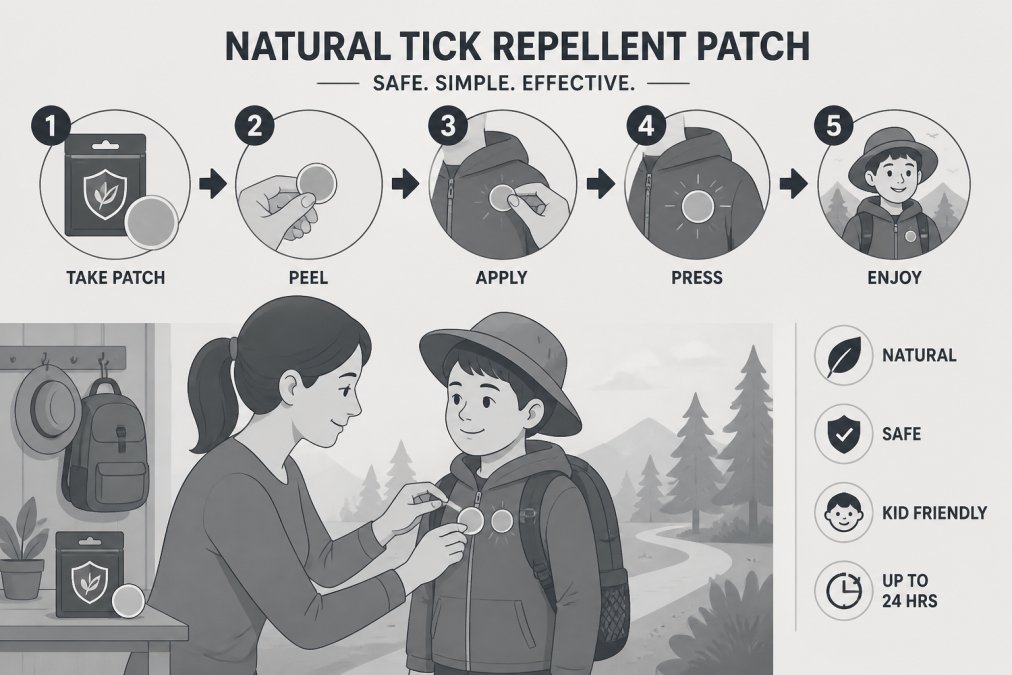
Patches designed for children typically feature DEET-free formulations using essential oils like citronella and eucalyptus, adhesive that sticks to clothing rather than skin, and child-friendly designs. A critical safety consideration: patches should be applied to clothing only, not directly to skin. This approach prevents accidental ingestion and reduces the risk of skin irritation.
For younger children (under 5), consult with a healthcare provider before using any insect repellent product, even natural ones. Some essential oils can cause allergic reactions in sensitive individuals. Patch-based products are generally safer than sprays for this age group because they eliminate inhalation risk.
Many Canadian families combine patches with other protective strategies: long sleeves and pants during peak tick season, tick checks after outdoor time, and maintaining tick-free yards. This layered approach is more effective than relying on any single product.
Health Canada Tick Repellent Guidelines and Standards
Health Canada's Pest Management Regulatory Agency (PMRA) oversees the approval and regulation of insect repellent products sold in Canada. Products marketed as insect repellents must be evaluated for safety and effectiveness before they can be sold. Health Canada distinguishes between products that make repellent claims (actively deterring insects) and those making only comfort claims (reducing bites after they occur).
Natural products using essential oils as active ingredients fall under Health Canada's regulatory framework. Legitimate Health Canada tick repellent guidelines require manufacturers to substantiate efficacy claims and demonstrate that the product is safe for the intended population.
When shopping for natural tick patches, look for products explicitly stating Health Canada approval or licensing, clear labeling of active ingredients, instructions specifying duration of protection and reapplication frequency, and safety warnings for sensitive populations. PureGard Botanical Tick Repellent, for example, carries Health Canada approval and is formulated with plant-based ingredients, indicating the product has met regulatory safety and efficacy requirements.
Health Canada's approval process focuses on safety and substantiated claims. A product meeting Health Canada standards has been formally evaluated and deemed safe and reasonably effective for its labeled use.
Plant-Based Ingredients in Tick Patches: Essential Oils That Work
The effectiveness of natural tick patches hinges on the essential oils and plant-based ingredients they contain. Eucalyptus oil, particularly oil of lemon eucalyptus (OLE), offers strong repellent properties and has shown effectiveness against ticks. Citronella oil is widely used in natural insect repellents and provides reasonable tick deterrence. Geranium oil appears in several Canadian formulations and has antimicrobial and insect-repelling properties. Peppermint oil and thyme oil contribute repellent activity, while cedarwood oil offers traditional use in tick prevention.
The most effective plant-based ingredients in tick patches tend to be those using multiple oils in combination. A patch containing eucalyptus, geranium, and peppermint will likely outperform one relying solely on citronella. This synergistic approach creates a more complex deterrent profile than any single ingredient alone.
One practical consideration: essential oils degrade over time, particularly when exposed to heat and sunlight. Patches stored in hot vehicles or direct sunlight may lose effectiveness faster than those kept in cool, dark conditions. Check expiration dates and storage recommendations when ordering online.
How to Buy Natural Tick Patches Online: What to Look For
Ordering natural tick patches online requires attention to several key factors beyond price alone. Verify product authenticity and labeling by checking for clear ingredient lists, Health Canada approval status, and explicit instructions on duration of protection. Be cautious of products with vague ingredient descriptions or claims that seem too good to be true.
Check shipping and delivery timeframes. TickFree Outdoors provides fast shipping and competitive pricing, making it a practical choice for Canadian customers who want reliable delivery without excessive wait times. Compare shipping costs and estimated arrival dates across retailers before purchasing.
Read customer reviews carefully. Look for reviews mentioning actual tick exposure and whether patches prevented bites. Canadian reviewers discussing tick pressure in their region provide the most relevant context for your situation.
Evaluate pack sizes and value. Natural tick patches typically come in packs of 40-90 patches. Calculate the cost per patch and the cost per day of protection to compare value across brands. Confirm return policies with reputable retailers that clearly state return windows and conditions.
Look for products tested in Canadian conditions. Some brands conduct testing in regions with similar tick ecology to Canada, making their efficacy claims more relevant to your environment.
Application Best Practices for Maximum Protection
Proper application of natural tick patches directly impacts how well they protect you. Apply patches to clothing, not skin. This is the single most important rule. Patches adhere to fabric and release their active ingredients gradually throughout the day. Ideal locations include the collar area, cuffs, waistband, and the inside of pant legs.
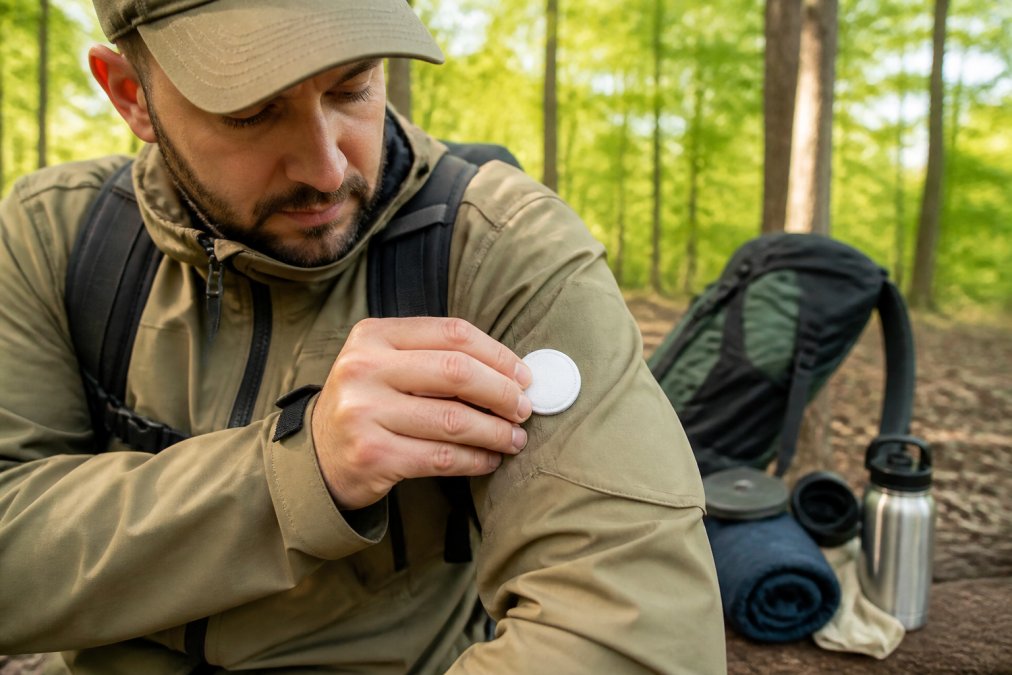
Use multiple patches for full coverage. A single patch protects an area roughly 10-15 centimeters in diameter. For a full day outdoors in tick country, use at least 3-4 patches: one on your collar, one on each wrist or cuff, and one on your waistband or pant leg.
Apply patches before heading outdoors 15-30 minutes in advance, allowing the adhesive to set fully. Replace patches at the recommended interval, most provide 8-12 hours of protection. Carrying extra patches allows you to refresh protection without cutting your outing short.
Combine patches with other protective measures. Wear light-colored, long-sleeved clothing that makes ticks easier to spot. Tuck pant legs into socks or boots. After returning indoors, perform a thorough tick check on your body and clothing.
Store patches properly in a cool, dry place away from direct sunlight. Account for environmental factors, heavy rain, swimming, or prolonged sweating reduces patch effectiveness. If you're planning water activities, reapply patches afterward.
| Application Factor | Best Practice | Expected Outcome |
|---|---|---|
| Patch placement | Apply to clothing collar, cuffs, waistband | Ticks deterred before reaching skin |
| Number of patches | 3-4 patches per full-day outing | Overlapping protection coverage |
| Timing | Apply 15-30 minutes before heading out | Adhesive sets fully; patches stay secure |
| Replacement frequency | Every 8-12 hours or after water exposure | Consistent protection throughout day |
| Storage conditions | Cool, dry location away from sunlight | Essential oils remain potent |
| Layered approach | Combine patches with clothing and tick checks | Maximum protection against tick-borne illness |
Ordering natural tick patches online is a practical step toward safer outdoor experiences, particularly for Canadian families navigating tick-prone regions. TickFree Outdoors offers fast shipping, competitive pricing, and a range of natural tick protection solutions, including repellent patches, sprays, and yard treatments, designed to keep you, your family, and your pets protected throughout the outdoor season. Whether you're dealing with occasional tick exposure or managing a heavily infested property, natural patches represent a chemical-free option worth exploring. Shop all of TickFree Outdoors' tick protection products and find the solution that fits your outdoor lifestyle.
Frequently Asked Questions
Do tick repellent stickers actually work, or is this just marketing?
Tick repellent stickers work when formulated with proven essential oils like geranium, peppermint, and cedarwood. Health Canada approved botanical formulas provide measurable protection. Effectiveness depends on patch quality, active ingredients, and replacement frequency. Natural patches typically protect for 8-12 hours, making them practical for day hikes and outdoor activities. They're most effective as part of a layered tick prevention strategy alongside proper clothing and tick checks.
Are natural tick repellent patches safe for kids in Canada?
Yes, DEET-free natural tick patches are safe for children when they use Health Canada approved formulas. Patches applied to clothing rather than directly to skin reduce skin contact risk. Look for products tested for dermatological safety and free from harsh chemicals. Always supervise young children to prevent patch ingestion, and follow the product's age recommendations. Natural patches with essential oils offer protection without the concerns some parents have about chemical repellents.
How long do natural tick patches actually last compared to sprays?
Natural tick patches typically last 8-12 hours per patch, while botanical sprays may require reapplication every 3-5 hours. Patches offer convenience for full-day outdoor activities without the mess of respraying. The trade-off is that patches cover a localized area, so you may need multiple patches for full protection. For extended wilderness trips, combining patches with spray creates a more robust defense against ticks in high-exposure areas.
What makes Health Canada approved tick repellents different from unregulated products?
Health Canada approved repellents have been tested for safety and efficacy, ensuring the product does what it claims without causing harm. Approved formulas meet strict Canadian standards for ingredient purity and labeling accuracy. When ordering natural tick patches online, look for products that explicitly state Health Canada approval. This verification gives you confidence that the active ingredients are present in effective concentrations and that the product is safe for your family and pets.
This article was written using GrandRanker