

Table of Contents
- Why Outdoor Enthusiasts Look Beyond Stickers for Tick Protection
- Quick Comparison: Tick Protection Options for 2026
- Natural Tick Repellent for Hiking: What Actually Works on the Trail
- Best Tick Spray for Yard: Protecting Your Home Perimeter
- How to Prevent Tick Bites Naturally: A Step-by-Step Routine
- Safety, Skin Sensitivity, and Pet Considerations
- Cost-Per-Use and Environmental Impact of Tick Protection
- Conclusion: Choosing the Right NatPat Alternative for Your Needs
- Frequently Asked Questions
Last Updated: September 29, 2026
Why Outdoor Enthusiasts Look Beyond Stickers for Tick Protection
Tick protection stickers promise convenience, but they often fall short on the trail. That gap is why so many hikers, campers, and pet owners now search for a reliable NatPat alternative for outdoor tick protection. This guide from TickFree Outdoors breaks down what actually works, what lasts, and what fits your routine.
Quick Comparison: Tick Protection Options for 2026
The best tick protection combines a skin repellent, a clothing treatment, and yard control rather than one standalone product. Each layer covers a different exposure point.
| Option | Applied To | Typical Duration | Best For | Key Trade-Off |
|---|---|---|---|---|
| Spray repellent (natural or synthetic) | Skin and clothing | 2-12 hours | Active hiking days | Needs reapplication |
| Permethrin clothing treatment | Fabric and gear | Up to 6 washings | Extended trips | Clothing only, not skin |
| Repellent patches | Localized area | Varies | Light exposure | Limited coverage |
| Yard spray | Lawn perimeter | Weeks per application | Homeowners | Weather dependent |
Natural Tick Repellent for Hiking: What Actually Works on the Trail
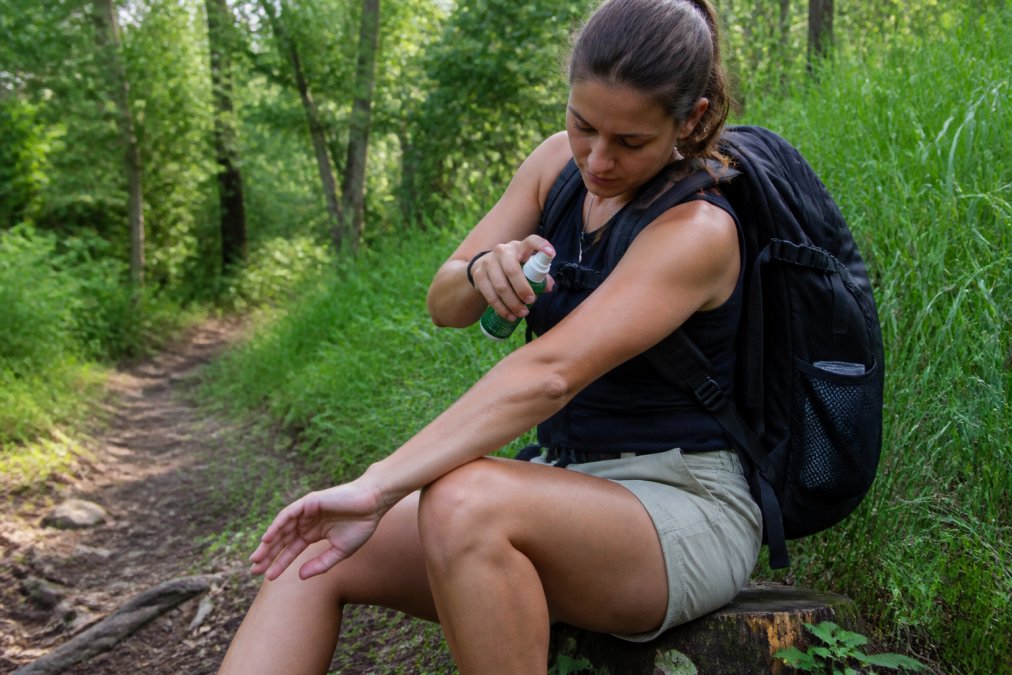
Natural tick repellent for hiking works best when you match the active ingredient to your exposure level. Plant-based options reduce chemical load, but they demand more frequent reapplication than synthetics, and the gap is wider than most product pages admit.
How Botanical Repellents Actually Work
Ticks don't "smell" the way mosquitoes do. They detect carbon dioxide, heat, and lactic acid through sensory pits on their front legs, then quest, climbing to shin height and reaching out for a passing host. Botanical repellents interfere with those sensors rather than killing the tick. That distinction matters: a repellent that disrupts detection can fail the moment it evaporates, while a contact acaricide keeps working after the tick lands.
Essential Oil Blends vs. Oil of Lemon Eucalyptus vs. Synthetics
| Active | Type | Typical Skin Duration | Tick Efficacy | Notes |
|---|---|---|---|---|
| Oil of lemon eucalyptus (PMD) | Botanical, registered | Several hours | Moderate | Best botanical pick for day hikes |
| Geranium / cedarwood blends | Botanical, unregistered | Short | Variable | Suits light exposure, garden use |
| Icaridin (picaridin) | Synthetic | Long | High | Low odor, gentle on gear |
| DEET | Synthetic | Long | High | Effective but can damage plastics |
| Permethrin | Synthetic, clothing only | Up to 6 washings | High (kills on contact) | Never apply to skin |
A neutral read of the evidence: no botanical matches permethrin-treated clothing for tick-specific protection, because permethrin kills ticks on contact while botanicals only deter them. The practical takeaway is not "natural vs. synthetic", it's layering. Use a registered botanical on skin for short, low-exposure outings, and treat clothing with permethrin for anything involving tall grass, leaf litter, or multi-hour brush exposure.
Matching the Product to the Outing
- Short garden session or dog walk: a geranium or cedarwood blend is often enough.
- Day hike on maintained trail: OLE on skin, permethrin on socks and pant cuffs.
- Bushwhacking or multi-day trip: permethrin-treated clothing as the primary barrier, OLE as backup on exposed skin, plus a full-body check within two hours of returning indoors.
How to Apply Repellent for Maximum Coverage
- Spray ankles, socks, and boot tops first, since ticks climb from the ground
- Cover the waistband and shirt cuffs where fabric meets skin
- Apply to exposed neck and hairline before putting on a hat
- Let clothing treatments dry fully before dressing
- Reapply skin repellent after heavy sweating or rain
A common mistake is treating only visible skin. Ticks find the seams, so treat the seams.
Health Canada pest control product label search
Best Tick Spray for Yard: Protecting Your Home Perimeter
The best tick spray for yard use targets the transition zone where lawn meets woods, not the open grass. Ticks concentrate in leaf litter, tall grass, and shaded edges, so that's where treatment pays off.
Application Timing and Frequency for Yard Treatments
Apply in late spring when nymphs emerge, then repeat through peak tick season. Most homeowners treat every few weeks during active months, adjusting for rainfall.
How to Prevent Tick Bites Naturally: A Step-by-Step Routine
Learning how to prevent tick bites naturally comes down to a repeatable routine, not a single product. Layer scent barriers, clothing choices, and daily checks.
- Treat clothing and gear with a permethrin-based spray before your trip
- Apply a botanical or OLE repellent to skin and seams
- Tuck pant cuffs into socks and wear light-colored clothing
- Stick to the center of trails and avoid brushing tall grass
- Do a full-body tick check within two hours of returning indoors
- Shower and tumble-dry clothes on high heat to dislodge ticks
- Check pets, especially around ears, collar, and paws
Safety, Skin Sensitivity, and Pet Considerations
DEET-free and botanical formulas suit sensitive skin, but "natural" does not automatically mean risk-free. Essential oils are concentrated plant chemistry, and a few of the ones common in tick repellents are the same compounds that make some people react.
Which Ingredients Trigger Reactions
- Geranium oil, generally well tolerated, but a known sensitizer with repeated use; reactions often appear after several applications rather than the first.
- Cedarwood oil, can irritate eczema-prone skin and is not recommended for pregnant users by many practitioners.
- Peppermint and thyme oils, high menthol and thymol content; can cause burning on broken skin or in heat.
- Oil of lemon eucalyptus (PMD), registered and effective, but not for use on children under three years, and it can sting on the face.
- Icaridin (picaridin), usually the gentlest synthetic for sensitive skin; low odor and less likely to damage gear than DEET.
If you have eczema, rosacea, or a history of contact dermatitis, patch-test on the inner forearm for 24 hours before a trip, not the morning you leave.
Pet Safety: The Ingredient That Matters Most
Never use human repellents on dogs or cats. The risk is not the carrier, it's the active. Permethrin, which is the most effective clothing treatment for people, is highly toxic to cats and can cause tremors, hypersalivation, and seizures even at low exposure. Cats groom treated fabric, so a permethrin-treated jacket left on a chair is a real hazard.
Storage and Handling
- Patch-test new repellents on a small skin area 24 hours before use
- Keep repellents away from eyes, mouth, and broken skin
- Store yard treatments and permethrin-treated clothing out of reach of children and animals
- Wash treated skin after returning indoors
- Keep permethrin-treated garments away from cats entirely, including drying areas
Health Canada pesticide safety and pet precautions
Cost-Per-Use and Environmental Impact of Tick Protection
Cost-per-use matters more than sticker price. A spray that lasts all day beats a cheaper bottle you reapply hourly, especially on long trips.
Conclusion: Choosing the Right NatPat Alternative for Your Needs
Finding a dependable NatPat alternative for outdoor tick protection means layering products to match your real exposure. Stickers alone leave gaps that ticks exploit.
Frequently Asked Questions
Are there effective alternatives to tick repellent stickers?
Yes. While stickers offer passive protection, they have limited coverage and may not stay adhered during sweaty hikes. Sprays containing picaridin or oil of lemon eucalyptus provide full-body coverage and last 6 to 12 hours. Permethrin-treated clothing kills ticks on contact for up to 6 weeks. Yard sprays reduce tick populations around your home. Many outdoor enthusiasts combine two or three methods for layered tick protection rather than relying on stickers alone.
How do natural tick repellents compare to synthetic options?
Natural repellents like oil of lemon eucalyptus typically provide 6 hours of protection, while synthetic options like DEET and picaridin last 8 to 12 hours. Natural alternatives are gentler on skin and gear but require more frequent reapplication. For heavy tick areas, many people layer a natural skin repellent with permethrin-treated clothing. The best choice depends on your exposure level, skin sensitivity, and how long you plan to be outdoors.
What are the best ways to prevent tick bites while hiking?
Start with a repellent spray on exposed skin, then treat clothing and gear with permethrin. Wear light-colored long sleeves and pants tucked into socks. Stay on marked trails and avoid tall grass. After your hike, do a full-body tick check within two hours, shower, and tumble-dry clothes on high heat for 10 minutes. These steps together reduce tick encounters significantly more than any single method alone.
Do essential oil-based repellents work against ticks?
Some do, with varying results. Oil of lemon eucalyptus is the most studied plant-based option and provides up to 6 hours of tick protection. Blends containing geranium oil, cedarwood oil, peppermint oil, or thyme oil may also repel ticks, but duration varies by formulation and concentration. Essential oil repellents work best for shorter outings or low-exposure situations. For extended time in wooded areas, reapply every 2 to 3 hours or combine with permethrin-treated clothing.
How can I protect my yard from ticks naturally?
Create a barrier between your lawn and wooded areas with a 1-metre gravel or mulch strip. Keep grass short and remove leaf litter. Plant tick-repelling species like geranium or lavender near pathways. Apply a botanical yard spray containing cedarwood or geranium oil around your perimeter in spring and early fall. Focus treatments on shaded edges, stone walls, and areas where deer or rodents frequent, since these are common tick habitats.