

Table of Contents
- Why Safe Tick Control Matters for Pet Owners
- Types of Tick Prevention: Topical, Chewable, and Collar Options
- How to Perform a Tick Check on Pets
- Understanding Tick-Borne Diseases in Pets
- Safe Yard Maintenance for Tick Control
- Multi-Pet Household Safety Protocols
- Natural vs. Chemical Prevention: What Actually Works
- When to Consult Your Veterinarian
Last Updated: August 16, 2026
Why Safe Tick Control Matters for Pet Owners
Ticks transmit serious illnesses that can affect your pet for months or years. Outdoor pets face exposure almost year-round in many areas. Safe tick control requires balancing effectiveness with safety, understanding how different prevention methods work, recognizing signs of tick-borne illness, and knowing when professional help is necessary.
Types of Tick Prevention: Topical, Chewable, and Collar Options
Pet owners have several legitimate options for tick prevention, each with distinct advantages and limitations.
Topical treatments and spot-on applications
Topical treatments create a protective barrier on your pet's skin by applying directly to the base of the neck. Most begin working within hours and provide protection for several weeks to a month. Always verify that any product is appropriate for your pet's weight and age before application.
Oral chewable preventives
Chewable preventives distribute active ingredients throughout the bloodstream. When a tick attaches and feeds, it ingests the medication and dies. They typically provide month-long protection with a single dose and often protect against other parasites like fleas and intestinal worms. The trade-off is that some pets refuse tablets, and certain health conditions may make chewables unsuitable. Always consult your veterinarian before starting any oral preventive, particularly if your dog has liver or kidney concerns.
Tick collars and repellent patches
Modern tick collars emit gases or release active ingredients that create a protective zone around your pet's head and neck. Repellent patches work similarly to topical treatments but use adhesive backing to stay in place. The effectiveness of collars and patches varies more widely than other prevention types and often serves best as supplementary protection rather than standalone solutions, particularly in areas with high tick density.
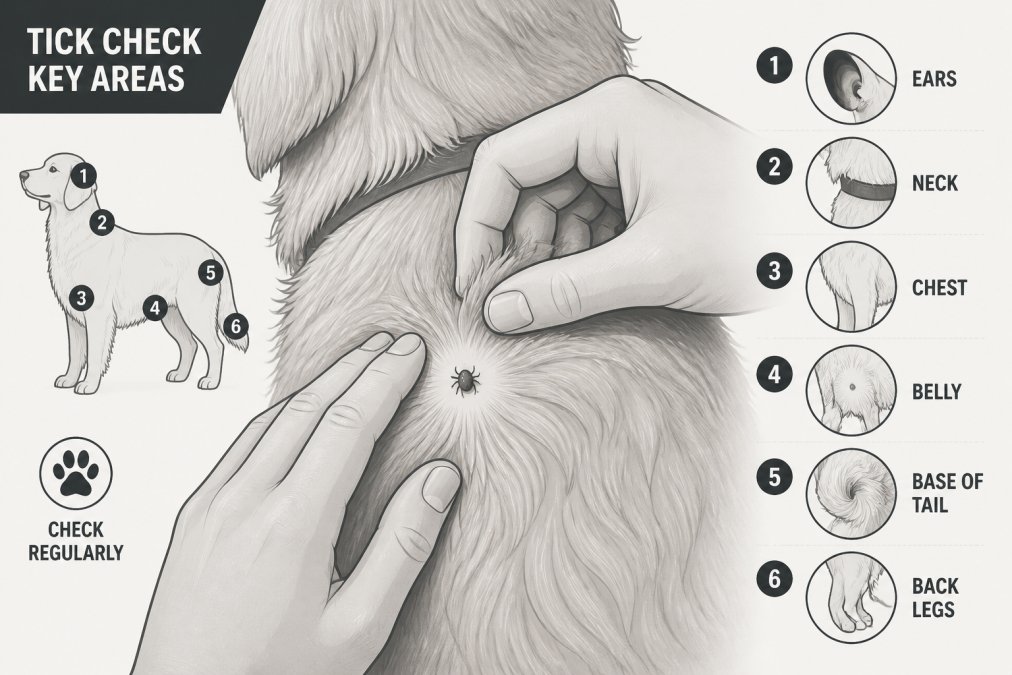
How to Perform a Tick Check on Pets
Daily inspections catch ticks before they become embedded and transmit disease.
Daily inspection routine
Start your inspection after your pet comes indoors from outdoor time. Ticks prefer warm, moist areas: between the toes, inside the ears, under the tail, in the groin area, and along the spine. Run your fingers through the fur systematically, feeling for small bumps or irregularities in the skin.
Early-stage ticks are tiny, often the size of a sesame seed or smaller. As they feed, they become larger, eventually reaching the size of a small pea. Catching them early makes removal easier and reduces disease transmission risk.
Proper tick removal techniques
Use a fine-tipped tweezers or specialized tick removal tool. Grasp the tick as close to the skin as possible, directly at the point of attachment. Pull steadily and firmly in a straight line away from the skin. Do not twist, jerk, or squeeze the tick's body, as these actions can cause the tick to regurgitate its stomach contents into your pet, potentially transmitting disease.
Once removed, place the tick in a sealed container or bag. Do not crush it with your bare fingers. Wash the bite area with soap and water, then apply a mild antiseptic if the skin is broken.
Understanding Tick-Borne Diseases in Pets
Ticks transmit several serious illnesses to pets. Understanding these diseases helps you recognize when a pet needs veterinary attention.
Lyme disease, anaplasmosis, and babesiosis
Lyme disease is the most commonly reported tick-borne illness in pets, caused by bacteria transmitted through tick saliva. Infected pets may develop fever, lameness, swollen joints, and lethargy weeks or months after exposure.
Anaplasmosis is a bacterial infection affecting the blood that causes fever, loss of appetite, lethargy, and in severe cases, bleeding disorders. Symptoms typically appear within one to three weeks of infection.
Babesiosis is a parasitic infection that damages red blood cells, causing weakness, pale gums, dark urine, and jaundice. This disease can be life-threatening if left untreated.
All three illnesses require veterinary diagnosis through blood tests. Early detection and treatment significantly improve outcomes.
Signs and symptoms to watch for
Watch for behavioral changes following potential tick exposure: fever, reluctance to move, swollen joints, and loss of appetite. Lethargy and depression are often overlooked but important symptoms. Lameness or limping, especially affecting multiple legs, warrants immediate attention. Any combination of these symptoms in a pet with known tick exposure should prompt a veterinary visit.
Safe Yard Maintenance for Tick Control
Environmental management reduces tick populations around your home, decreasing your pet's exposure risk. Ticks thrive in tall grass, dense brush, and leaf litter.
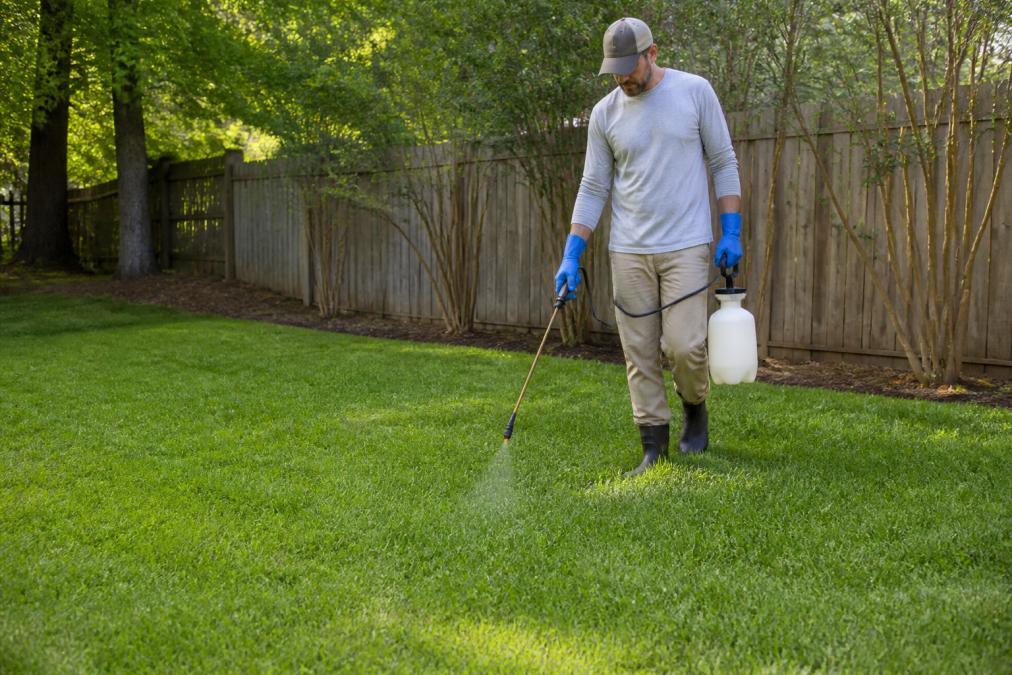
Environmental management and perimeter treatment
Mow your lawn regularly and keep grass short. Remove leaf litter, fallen branches, and dense brush. Create a buffer zone around your property by clearing vegetation at least one meter from the perimeter. Keep wood piles, mulch, and compost areas away from where your pet spends time. Cedar chips have natural repellent properties.
Perimeter treatments apply tick control products around the yard's edges and in areas where ticks concentrate. Follow all manufacturer guidelines carefully and keep pets away from treated areas until they've dried completely.
Creating tick-free zones around your home
Focus tick control efforts on areas your pet actually uses: the immediate zone around your home's entrance, favorite resting spots, and pathways. Remove potential tick hosts like rodents and wildlife. Securing garbage, removing brush piles, and eliminating standing water reduces the wildlife population and the tick population. Consider installing fencing that prevents wildlife access to your yard.
Multi-Pet Household Safety Protocols
Homes with multiple pets require careful coordination of tick control. Document which pet receives which treatment, when it was applied, and when the next application is due. Never apply a treatment designed for one species to another species. If one pet becomes infested despite prevention, treat all pets in the household simultaneously. Quarantine newly adopted pets or visiting animals until you've confirmed they're tick-free.
Natural vs. Chemical Prevention: What Actually Works
Natural tick control methods include essential oils, diatomaceous earth, and plant-based repellents. These options appeal to owners concerned about chemical exposure and carry lower toxicity risk. Chemical preventives contain synthetic active ingredients specifically designed to kill or repel ticks and generally provide more reliable protection, particularly in high-tick-density areas.
Research indicates that chemical preventives provide more consistent protection. The most practical approach combines multiple strategies: use an effective primary prevention method and supplement with environmental management and regular inspections. This layered approach catches ticks that slip through primary prevention.
When to Consult Your Veterinarian
Your veterinarian is your best resource for tick control decisions. They understand your pet's individual health status, local tick species, and disease prevalence in your area. Consult your veterinarian before starting any new tick prevention, particularly if your pet has existing health conditions, takes other medications, or is very young or very old.
Seek immediate veterinary attention if your pet shows signs of tick-borne illness: fever, lameness, lethargy, loss of appetite, or behavioral changes following tick exposure. If your pet has an adverse reaction to a tick prevention product, such as vomiting, diarrhea, excessive drooling, tremors, or unusual behavior, contact your veterinarian immediately. Report any ticks you find on your pet to your veterinarian, particularly if you notice them frequently despite prevention.
Effective tick control protects your pet from painful infestations and serious illness. The right prevention strategy combines appropriate products with daily inspections and environmental management. At TickFree Outdoors, we provide the tools and treatments you need to implement this comprehensive approach, from premium sprays and repellent patches to yard treatments that create protective zones around your home. Explore our full range of tick control solutions and discover why pet owners trust TickFree Outdoors for outdoor safety. Canadian Veterinary Medical Association resources on parasite prevention and Public Health Agency of Canada guidance on tick-borne diseases both emphasize the importance of integrated tick management. Your veterinarian can recommend the specific products and strategies that work best for your situation. Get started today with TickFree Outdoors and enjoy worry-free outdoor time with your pet.
| Prevention Method | Duration | Best For | Primary Advantage |
|---|---|---|---|
| Topical treatments | 4 weeks | Most pets | Rapid action, broad spectrum |
| Oral chewables | 4 weeks | Dogs willing to take tablets | Simple administration, no washing off |
| Tick collars | 6-8 weeks | Supplementary protection | Long-lasting, hands-off |
| Environmental treatment | 4-6 weeks | High-risk yards | Reduces overall tick population |
| Daily inspection | Ongoing | All pets | Catches ticks early, no products |
Frequently Asked Questions
What kills ticks but is safe for pets?
Several safe tick control options exist for pets. Topical treatments with active ingredients like fipronil or permethrin (applied directly to skin) work effectively when used per manufacturer guidelines. Oral chewable preventives offer systemic protection without skin contact concerns. Tick collars with repellent properties provide continuous defense. Always consult your veterinarian before starting any prevention method, as age, weight, and health status affect what's safe for your individual pet. Natural alternatives like neem oil exist, though they typically require more frequent reapplication than chemical options.
How often should I perform a tick check on my pet?
Daily inspection is the gold standard, especially during tick season or after outdoor exposure. During a daily tick check, part your pet's fur systematically and examine the skin, focusing on warm areas like armpits, ears, and between toes where ticks prefer to attach. Early detection prevents disease transmission and reduces infestation severity. If your pet spends significant time in wooded areas or high-risk environments, twice-daily checks are ideal. Even with preventive treatments, daily inspection catches any ticks that do attach before they transmit illness.
What are the signs of tick-borne diseases in pets?
Common tick-borne illnesses include Lyme disease, anaplasmosis, and babesiosis. Symptoms vary but often include lethargy, loss of appetite, fever, joint pain or lameness, and swollen lymph nodes. Some pets show neurological signs like confusion or seizures. Symptoms may not appear for weeks after a tick bite, making prevention and daily checks critical. If your pet shows any of these signs after tick exposure, contact your veterinarian immediately for testing and treatment. Early diagnosis significantly improves outcomes for vector-borne disease.
How can I keep my yard tick-free for my pets?
Effective yard management combines several strategies. Maintain grass at 5 cm or shorter, as ticks thrive in tall vegetation. Remove leaf litter and clear brush from yard perimeters, creating a buffer zone between wooded areas and your home. Apply environmental treatments like yard sprays designed for tick control, following all manufacturer guidelines. Reduce wildlife habitat that attracts deer and rodents, which carry ticks. Consider perimeter treatment around the yard's edge. Repeat environmental management seasonally, as tick populations fluctuate. These measures significantly reduce larvae, nymph, and adult tick populations on your property.
This article was written using GrandRanker