

Table of Contents
- Why Permethrin Is Effective Against Ticks
- Wear Protective Clothing and Gear
- Best Tick Repellent for Hiking
- How to Perform a Tick Check
- Avoid High-Risk Tick Habitats
- Post-Hike Decontamination and Laundry
- Protect Your Pet From Ticks on the Trail
- Common Mistakes to Avoid
Last Updated: August 30, 2026
Why Permethrin Is Effective Against Ticks
Permethrin is a synthetic insecticide that kills ticks on contact by disrupting their nervous systems. Unlike repellents that deter ticks, permethrin eliminates them before they can attach to your skin or clothing.
The compound targets sodium channels in tick nerve cells, causing paralysis and death within minutes. This makes permethrin particularly effective against nymphal ticks, the smallest and most dangerous life stage responsible for transmitting Lyme disease and other tick-borne illnesses (the CDC). Because nymphs are tiny and easy to miss during tick checks, preventative treatment with permethrin is essential.
What sets permethrin apart is its residual activity. When applied to clothing and gear, it remains effective through multiple washes and lasts for weeks. This durability means you're not reapplying constantly like you would with skin-applied repellents. Treating your hiking attire with permethrin before heading into the woods creates a chemical barrier that works continuously throughout your hike and beyond.
Permethrin is EPA-registered and widely recommended by public health authorities for tick prevention on fabric. It's odorless, making it ideal for hunters and outdoor enthusiasts who need tick protection without alerting wildlife. The key advantage over natural alternatives is longevity, permethrin-treated clothing protects you far longer than products that wear off within hours.
Wear Protective Clothing and Gear
The most effective tick prevention starts with what you wear. Ticks climb from the ground upward, so covering your skin and creating barriers they cannot cross is your first line of defense while hiking.
Light-colored clothing and long sleeves
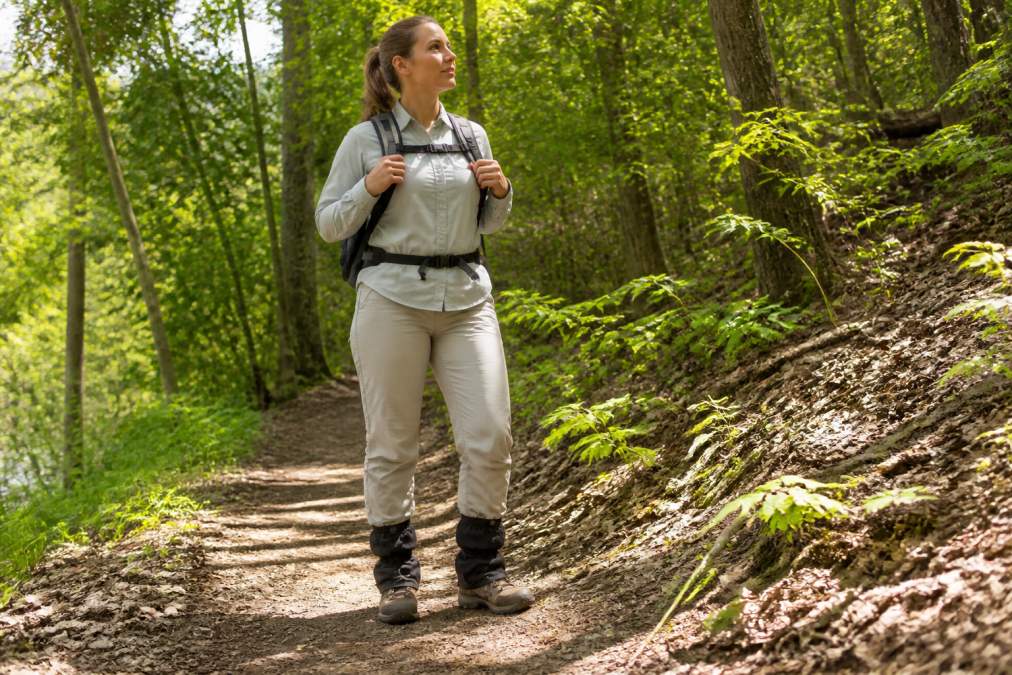
Wear light-colored clothing when hiking in tick-prone areas. Light colors make ticks visible so you can spot and remove them before they attach. Dark clothing camouflages ticks, allowing them to reach your skin undetected.
Long sleeves and long pants are non-negotiable for serious tick prevention. Exposed skin gives ticks direct access, and even brief contact can result in attachment. Tightly woven fabrics are harder for ticks to penetrate than loose weaves. Choose breathable materials so you stay comfortable during active hiking.
Tuck pants into socks and use gaiters
Tucking your pants into your socks dramatically reduces tick access to your legs by creating a barrier that forces ticks to crawl over fabric rather than finding gaps underneath. This simple action eliminates the natural entry points ticks seek.
Gaiters are even more effective. These fabric wraps cover the gap between your pants and boots, sealing off the lower leg completely. Gaiters are standard gear for serious hikers in tick country and add minimal bulk while providing maximum protection at the exact point where ticks most commonly attach.
When tucking pants, ensure the fit is snug enough that ticks cannot crawl underneath. Pair this with permethrin-treated socks and pants for layered protection that's nearly impossible for ticks to penetrate.
Best Tick Repellent for Hiking
Two active ingredients dominate effective tick repellents: DEET and picaridin. Both are EPA-registered and proven to repel ticks when applied correctly.
DEET and picaridin formulations
DEET (N,N-diethyl-meta-toluamide) is the gold standard for tick repellents. It works by creating an invisible barrier on your skin that repels ticks and other biting insects. DEET concentrations between 20-30% provide effective protection for several hours of outdoor activity (the EPA).
Picaridin is a newer alternative offering tick repellency comparable to DEET while being less greasy and having a milder odor. Picarikin at 20% concentration provides similar protection duration to 20% DEET (the EPA). Many hikers find it more comfortable for extended wear, particularly in warm weather.
The choice between DEET and picaridin often comes down to personal preference and skin sensitivity. DEET has decades of safety data and wider availability. Picaridin is slightly less irritating to sensitive skin for some users. Both require reapplication after swimming or heavy sweating.
Application frequency and coverage
Apply repellent to all exposed skin, including ears, the back of your neck, and your hairline. Ticks are opportunistic and will attach wherever they find bare skin. Many hikers miss these high-risk areas and end up with tick bites despite using repellent.
Reapply every 2-3 hours during active hiking, or more frequently if you're swimming or sweating heavily. Check the label for specific protection windows. Don't apply repellent under clothing; apply it to exposed skin and then cover with treated clothing. This layered approach creates redundant protection.
How to Perform a Tick Check
A thorough tick check after hiking is your last line of defense. This is where you catch ticks before they attach or remove them quickly if they've already latched on.
Checking high-risk areas on your body
Begin your tick check immediately after returning from your hike. Early detection is critical. Start at your feet and work upward, checking every inch of skin.
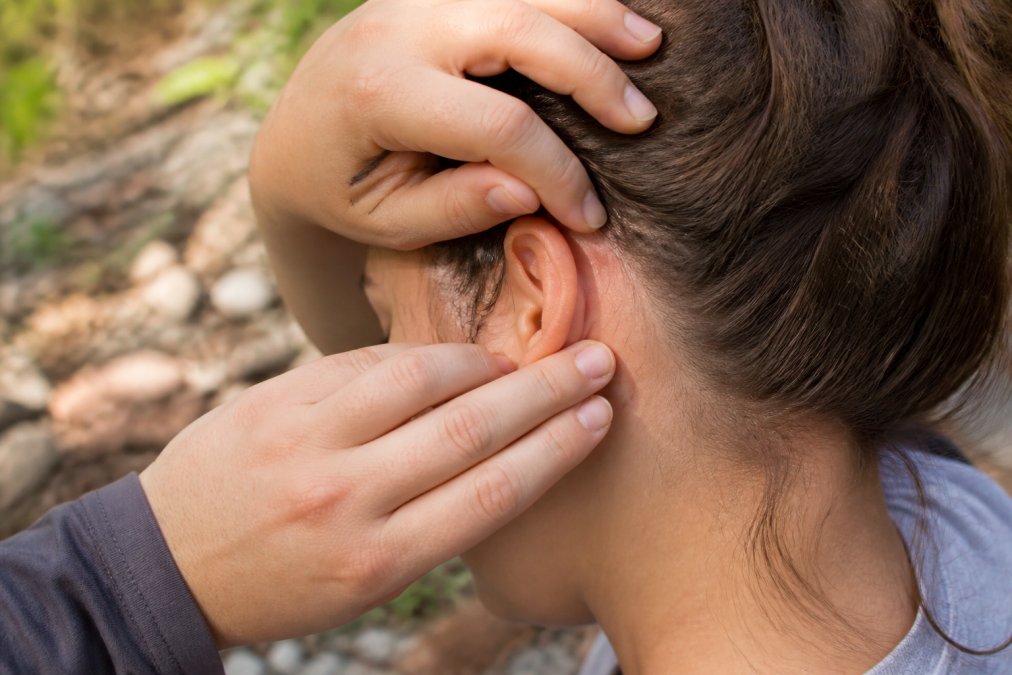
Pay special attention to high-risk areas where ticks prefer to attach: behind your ears, along your hairline, in your armpits, in your groin, behind your knees, and between your toes. These warm, moist areas are tick magnets. Ticks also hide in the crease where your buttocks meet your thighs. Use a mirror or ask someone to help check areas you can't see, particularly the back of your scalp, neck, and upper back where nymphal ticks often end up.
What to do if you find an attached tick
If you find an attached tick, remove it immediately using fine-tipped tweezers. Grasp the tick as close to the skin as possible to grab the mouthparts, not the body. Pull straight upward with steady, even pressure. Don't twist or jerk, which can leave mouthparts embedded in your skin.
After removal, place the tick in a sealed container or bag. Some people preserve the tick in alcohol for later identification if symptoms develop. Clean the bite area with soap and water, then apply an antiseptic. Monitor the site for signs of infection or the characteristic bullseye rash (erythema migrans) that indicates Lyme disease infection.
Never use petroleum jelly, nail polish, or heat to remove a tick. These methods don't work and may cause the tick to regurgitate pathogens into your wound, increasing disease transmission risk. Tweezers are the proven method.
Avoid High-Risk Tick Habitats
Understanding where ticks live helps you make smart decisions about where and when to hike. Ticks concentrate in brushy areas, tall grass, and leaf litter where they find the moisture and shade needed to survive.
When you have a choice of trails, prioritize cleared paths with minimal vegetation on either side. Maintained trails with grass cut back reduce tick encounters significantly. Avoid pushing through high grass or brushy areas where your legs brush against vegetation.
Timing matters too. Ticks are most active in spring and early fall when temperatures are moderate and humidity is high. Winter hikes carry minimal tick risk. Check local tick activity reports before hiking to help you decide whether to take extra precautions in high-risk zones.
Post-Hike Decontamination and Laundry
Your hike doesn't end when you leave the trail. Proper post-hike decontamination removes ticks you may have missed and prevents them from establishing in your home.
Shower within two hours of returning from your hike. A thorough shower removes unattached ticks and gives you another opportunity to spot attached ones before they burrow deeper. Pay special attention to your scalp, behind your ears, and other tick-prone areas.
Place all hiking clothing directly into a hot-water wash. A 10-minute cycle in a hot dryer at high temperature kills any remaining ticks in your clothing. Separate your hiking gear from regular laundry to prevent ticks from spreading to other clothes. If you can't wash items immediately, seal them in a plastic bag until you can launder them.
Remove visible dirt and vegetation from your hiking boots, then wipe them down with a damp cloth. Ticks can hide in boot crevices. Let boots air dry in sunlight if possible, as UV exposure and heat stress ticks.
Protect Your Pet From Ticks on the Trail
Dogs that hike with you face the same tick exposure you do, but they can't tell you where they're bitten. Pets require active protection strategies tailored to their size and health status.
Treat your dog with a veterinary-approved flea and tick preventative before hiking season begins. Your veterinarian can recommend products suited to your dog's age, weight, and health status. Never use human permethrin products on pets; always use pet-specific products at the dose recommended for your dog's weight.
After hiking, inspect your dog thoroughly just as you would inspect yourself. Check between toes, in ears, around the tail base, and in the groin area. Dogs with long hair require extra attention; part the fur to see the skin underneath.
If you find a tick on your dog, remove it using fine-tipped tweezers with a straight pull. Place the tick in a sealed container and monitor your dog for signs of illness like lethargy, loss of appetite, fever, or limping.
Keep your dog's environment tick-free by maintaining your yard. Remove leaf litter, trim brush, and keep grass short. A tick-free yard means your dog is safer even when not actively hiking.
Common Mistakes to Avoid
Most hikers make preventable mistakes that undermine their tick protection. The biggest mistake is incomplete clothing coverage, leaving wrists, ankles, or neck exposed. Ticks exploit these gaps.
Skipping the tick check is another critical error. Ticks are tiny and painless; you won't feel them attach. A thorough tick check is non-negotiable.
Using repellent incorrectly wastes the product. Applying it only to arms and legs while leaving neck and ears exposed leaves vulnerable areas. Forgetting to reapply means you lose protection partway through your hike.
Waiting too long to shower after hiking increases infection risk. Ticks that aren't removed within 24-48 hours have time to transmit pathogens. Neglecting to treat clothing with permethrin is a missed opportunity, it's inexpensive, easy to apply, and lasts for weeks.
Not checking your pet after hiking leaves your dog vulnerable. Finally, many hikers underestimate tick risk in their region. Treat every hike as potential tick exposure and take preventative steps accordingly.
Tick prevention while hiking requires a multi-layered approach that starts before you leave home. Treating your clothing with permethrin, applying skin repellent, wearing protective gear, and performing thorough post-hike inspections creates redundant protection that catches ticks at multiple points. TickFree Outdoors provides the premium sprays and repellent solutions you need to execute this strategy effectively. Get started with TickFree Outdoors tick prevention products and hike with confidence knowing you've taken serious steps against tick-borne diseases.
Frequently Asked Questions
What is the most effective tick repellent for hikers?
Repellents containing DEET (20-30%), picaridin (20%), or permethrin offer strong protection. DEET and picaridin are applied directly to skin and clothing; permethrin is applied only to fabric and gear. EPA-registered formulations have been tested for effectiveness against nymphal ticks and adult ticks. Reapply skin repellents every 3-4 hours or after swimming. Permethrin-treated clothing remains effective through multiple washes.
How do I perform a proper tick check after hiking?
Inspect your entire body within 2 hours of returning indoors, focusing on warm, moist areas: behind ears, hairline, armpits, groin, and behind knees. Use a hand-held mirror for hard-to-see spots. Check your scalp thoroughly by parting hair. If you find an attached tick, use fine-tipped tweezers to grasp it as close to the skin as possible and pull straight out. Do not twist or squeeze. Clean the area with soap and water or rubbing alcohol.
Why is permethrin effective against ticks?
Permethrin is a synthetic insecticide that disrupts the nervous system of ticks, causing paralysis and death on contact. Unlike DEET, which repels ticks, permethrin actually kills nymphs, larvae, and adult ticks that touch treated fabric. It binds to clothing fibers and remains effective through multiple washes and outdoor exposure. This makes permethrin ideal for treating hiking attire, socks, and gear before venturing into tick habitat.
What should I wear hiking to avoid tick bites?
Wear light-colored, long-sleeved shirts and full-length pants to spot ticks easily and block skin exposure. Tuck your pants into your socks or boots to prevent ticks from crawling up your legs. Consider gaiters for additional leg coverage. Choose tightly woven fabrics that make it harder for ticks to attach. Treat your entire outfit with permethrin before hiking. Avoid loose, baggy clothing that ticks can cling to more easily.
This article was written using GrandRanker