

Table of Contents
- What You'll Need Before Starting
- How to Apply Yard Repellent: Step-by-Step Instructions
- Best Time of Day to Spray Yard for Ticks
- How to Use a Hose-End Sprayer for Insect Control
- Tick Repellent Application Frequency and Reapplication
- Wondercide Alternative for Yard Spray: What Sets Effective Products Apart
- Safety Precautions for Families and Pets
- Common Mistakes to Avoid
Last Updated: August 20, 2026
What You'll Need Before Starting
Gather the right equipment before beginning. Start with a hose-end sprayer for larger areas or a pump sprayer for spot treatments and detailed work around shrubs and flower beds. You'll also need the repellent product itself, whether a concentrate requiring dilution or a ready-to-use formula.
Protective gear is essential: long sleeves, long pants, closed-toe shoes, and gloves. Some prefer safety glasses when spraying overhead. Check your product's safety label for specific requirements, as different formulations have different application rates and dilution ratios. Use measuring tools to mix concentrates correctly.
Finally, inspect your outdoor space before starting. Identify coverage areas, note obstacles like garden furniture or toys, and plan your application pattern to ensure thorough coverage of your lawn perimeter and surrounding vegetation.
How to Apply Yard Repellent: Step-by-Step Instructions
Preparing Your Outdoor Space
Clear your yard of unnecessary items before application. Move garden furniture, toys, and decorative objects away from treatment areas to prevent accidental spray contact and allow unobstructed access to all vegetation and lawn surfaces.
Identify your treatment zones: lawn perimeter, around shrubs, under deck edges, and along fence lines where pests harbor. These boundary areas create a protective barrier for your main outdoor living space.
Check the weather forecast for windless, dry conditions. Wet grass or soil dilutes your product and reduces effectiveness. Avoid applying before rain is expected within 24 hours.
Prepare your sprayer according to product instructions. If using a concentrate, mix the correct dilution ratio. For ready-to-use formulations, simply fill or attach the container as directed. Test your sprayer on a small area first to confirm proper function and spray pattern.
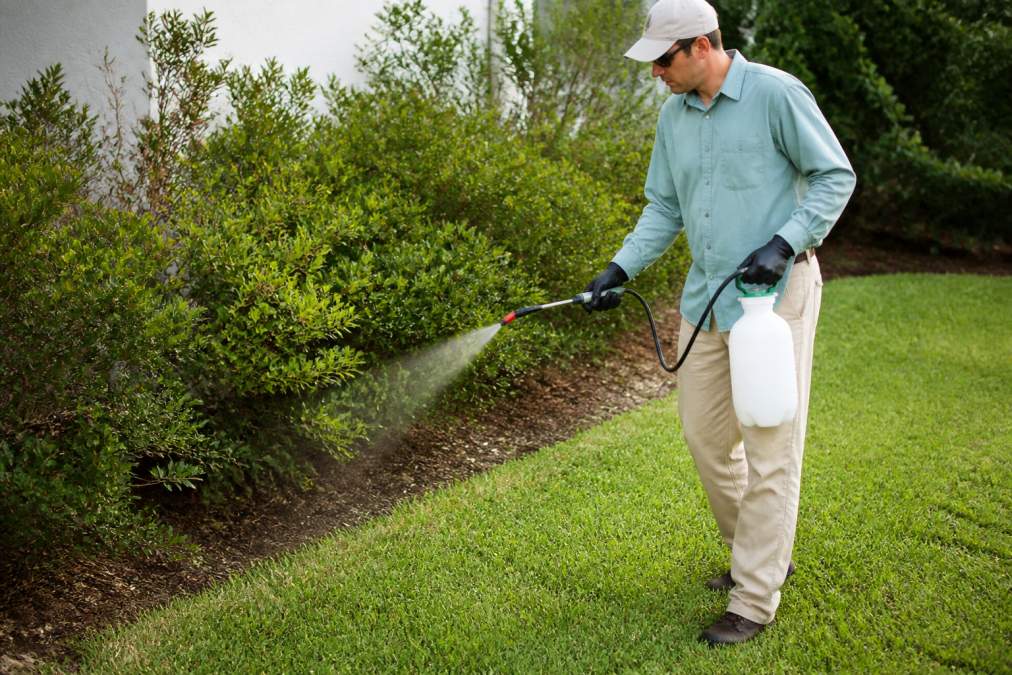
Applying to Different Surfaces
Lawns and grass: Apply repellent in overlapping passes across your entire lawn, moving systematically from one end to the other. Use even strokes and maintain consistent pressure. Pay special attention to shaded areas and low-lying spots where moisture collects.
Shrubs and foliage: Spray vegetation thoroughly, coating both upper and lower leaf surfaces where pests hide. Apply until foliage is visibly wet but not dripping.
Deck and patio perimeters: Spray the edges and underside of deck boards, patio furniture, and railings where pests congregate in shaded, protected areas.
Foundation and fence lines: Treat the base of your home's foundation and along fence lines bordering wooded areas. These transition zones interrupt pest movement into your yard.
Ground-level barriers: Apply repellent to mulch beds and ground cover plants where ticks and fleas live.
Ensuring Thorough Coverage
Calculate your coverage area in square footage before starting. A typical residential yard ranges from 2,000 to 5,000 square feet. Apply in systematic patterns, working from one boundary to the opposite side to prevent missed spots.
Don't rush the process. Slow, deliberate application ensures even distribution. Reapply to high-traffic areas and zones where pets spend the most time, as these areas receive more wear and environmental exposure.
Best Time of Day to Spray Yard for Ticks
The ideal time to apply yard repellent is early morning or late afternoon, when temperatures are cool and wind is minimal. Early morning application, just after dew dries, works well because moist grass and foliage help the repellent adhere to plant surfaces. Late afternoon or early evening application is equally effective, apply at least 2-3 hours before sunset to allow adequate drying time before nightfall.
Never apply during strong winds above 15 kilometers per hour, as wind reduces coverage accuracy and wastes product. Avoid applying during or immediately before rain. Check the forecast and plan application for a period with at least 24 hours of dry weather afterward.
Apply when temperatures are between 15 and 25 degrees Celsius. Outside this range, the product may not cure properly on foliage.
How to Use a Hose-End Sprayer for Insect Control
Fill the hose-end sprayer container with the appropriate concentrate or ready-to-use repellent, following the product's dilution instructions exactly. Attach the sprayer to your garden hose and adjust the water flow to achieve the desired spray pattern.
Test the spray pattern on a small area before treating your entire yard. Hold the sprayer at a consistent distance from vegetation, typically 30 to 60 centimeters away. Maintain steady pressure and move the sprayer in smooth, overlapping passes.
For lawn application, walk slowly across your yard in parallel rows, overlapping each pass slightly. When treating shrubs and foliage, direct the spray upward and inward, coating both sides of leaves. The advantage of a hose-end sprayer is speed and convenience, you're not limited by tank capacity since water supply is continuous.
Tick Repellent Application Frequency and Reapplication
Most yard repellents require reapplication every 2-4 weeks during peak tick season for optimal residual control. Check your product's label for the manufacturer's recommended reapplication interval, which is based on how long the active ingredients remain effective on vegetation and soil.
Reapply sooner if you experience heavy rain or prolonged wet weather. During peak season (typically late spring through early fall), monthly reapplication is common. Track your application dates and set calendar reminders to ensure you don't miss reapplication windows.
Reduce application frequency in late fall and winter when tick activity drops significantly.
Wondercide Alternative for Yard Spray: What Sets Effective Products Apart
When evaluating yard repellents, consider the product's residual control, how long it remains effective after application. Products that maintain protective barriers for 3-4 weeks between applications reduce overall effort and cost over a season.
Application versatility matters too. Products compatible with hose-end sprayers, pump sprayers, and ready-to-use containers offer flexibility depending on your yard size and preference.
Environmental impact is increasingly important. Products that provide effective pest control while minimizing impact on beneficial insects, pollinators, and aquatic ecosystems align with responsible yard management.
TickFree Outdoors delivers fast shipping and competitive pricing, making effective tick protection accessible. The brand's customer service team can answer questions about application techniques, reapplication schedules, and product selection based on your specific situation. Look for products backed by clear safety information and application instructions.
Safety Precautions for Families and Pets
Read the safety label completely before opening the product. The label contains critical information about active ingredients, hazard warnings, first-aid instructions, and proper application techniques.
Wear appropriate protective gear during application: long sleeves, long pants, gloves, and closed-toe shoes. Keep children and pets away from the treatment area during application and for the time specified on the product label, typically a few hours to overnight.
Store the product safely away from children and pets in its original container with the label intact. Keep it in a cool, dry place, never in direct sunlight or extreme temperatures.
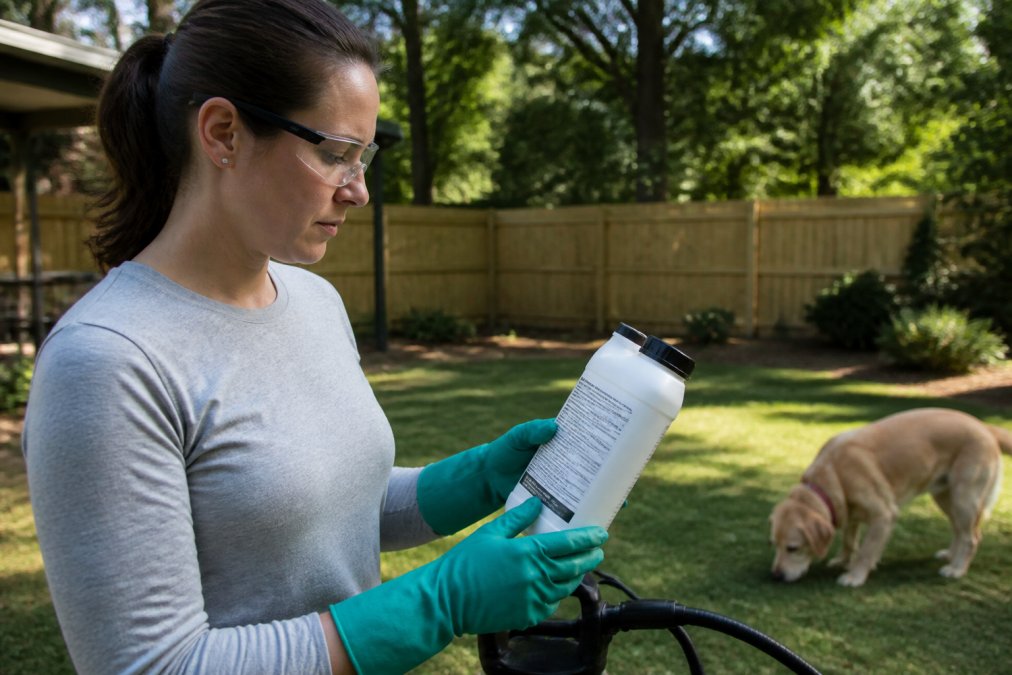
If accidental exposure occurs, follow the first-aid instructions on the safety label immediately. For skin contact, rinse thoroughly with water. For eye contact, rinse with water for at least 15 minutes. For ingestion, contact poison control or seek medical attention.
Wash your hands thoroughly after application and remove clothing that may have contacted the repellent. Never apply yard repellent near water sources like ponds, streams, or drainage areas unless the product label specifically permits such application.
Common Mistakes to Avoid
Applying in poor weather conditions is the most frequent mistake. Wind, rain, and high temperatures reduce effectiveness. Plan application for calm, dry conditions with temperatures in the optimal range.
Inadequate coverage leaves gaps where pests thrive. Thorough, methodical coverage takes time but is essential for effectiveness.
Incorrect dilution of concentrate products wastes material and reduces potency. Always measure carefully and follow the exact dilution ratio on the label.
Neglecting to reapply on schedule is another common error. Residual control fades over time, especially after rain. Mark your calendar and stick to the recommended reapplication interval.
Failing to treat all necessary areas leaves vulnerable zones. Complete yard coverage is essential.
Applying at the wrong time of day reduces effectiveness. Early morning or late afternoon timing optimizes results.
Not reading the safety label creates risks for your family and pets. Different products have different requirements.
Using faulty application equipment wastes product and creates uneven coverage. Test your sprayer before treating your entire yard.
Applying during or before rain washes away the repellent before it establishes residual control. Check the forecast and allow at least 24 hours of dry weather after application.
Skipping protective gear exposes you unnecessarily during application. Gloves, long sleeves, and long pants are simple precautions that reduce risk.
Effective yard repellent application requires planning, proper technique, and consistent follow-through. The effort you invest in thorough, timely application pays dividends in pest control throughout the season. TickFree Outdoors provides premium yard treatments, fast shipping, and customer support to help you maintain a tick-free outdoor environment. When you're ready to protect your yard, family, and pets, choose a product backed by clear instructions and reliable service. SHOP ALL TickFree Outdoors yard protection solutions and enjoy your outdoor space with confidence.
Frequently Asked Questions
What time of day is best to spray yard repellent for ticks?
Apply yard repellent on a windless day in early morning or late evening when temperatures are cool and adult pests are most active. Avoid midday heat, which can reduce product effectiveness and increase evaporation. Evening applications are often preferred because they allow the barrier spray to set overnight before family members and pets use the outdoor living space.
How often should I reapply yard repellent for maximum tick protection?
Most yard repellents require reapplication every 2-4 weeks, depending on rainfall, temperature, and the product's active ingredients. Heavy rain can reduce residual control, necessitating more frequent reapplication. Check your product's label for the specific reapplication interval and adjust based on your local weather and pest pressure in your outdoor space.
Can I use yard repellent safely around my pets and children?
Yes, but follow safety precautions carefully. Keep children and pets indoors during application and for the time specified on the safety label, typically 2-4 hours. Once dry, most products are safe for outdoor use. Always wear protective gear, apply the correct dilution ratio, and avoid spot treatment areas where pets rest or children play until the product has fully dried.
How does TickFree Outdoors yard spray compare to other brands?
TickFree Outdoors offers comprehensive yard tick protection with proven active ingredients designed for residual control against adult pests and larvae. The product delivers fast, reliable protection with flexible shipping options and competitive pricing. For specific comparisons on coverage area, dilution ratio, and reapplication intervals, visit our product pages to review detailed specifications and customer feedback on effectiveness.
This article was written using GrandRanker