

Table of Contents
- Understanding Tick Risk and Seasonal Patterns
- Best Tick Repellent for Dogs: Preventative Options
- How to Remove a Tick from a Dog Safely
- Daily Inspection and Environmental Prevention
- Recognizing Tick-Borne Diseases and When to Seek Help
- Common Mistakes to Avoid When Stopping Ticks on Dogs
- Conclusion
Last Updated: August 27, 2026
Understanding Tick Risk and Seasonal Patterns
Ticks are parasites that attach to dogs and feed on blood, potentially transmitting serious diseases. Tick activity peaks during warmer months when ticks move through their life cycle most rapidly. In most regions, tick season runs from spring through fall, with the highest risk in late spring and early summer, though milder winters mean ticks can remain active year-round in some areas.
Nymphs (immature ticks) are particularly problematic because they're tiny, often smaller than a poppy seed, making them easy to miss during inspection (the CDC). Ticks thrive in wooded areas, tall grass, leaf litter, and brushy environments where they wait for hosts to pass by. Understanding your local tick season and geography helps you time prevention efforts effectively.
According to Public Health Agency of Canada guidance on vector-borne diseases, tick-borne illnesses have become increasingly common across multiple regions, making prevention and early detection critical. Breed-specific sensitivities to certain preventative medications mean what works for one dog might not be ideal for another. A veterinary consultation early in the season helps you understand your dog's individual risk factors.
Best Tick Repellent for Dogs: Preventative Options
The best approach to stop ticks involves layering multiple prevention strategies rather than relying on a single method. Modern tick prevention combines topical treatments, oral medications, tick collars, and environmental management. Your choice depends on your dog's age, weight, health status, and lifestyle.
Topical treatments and oral medications
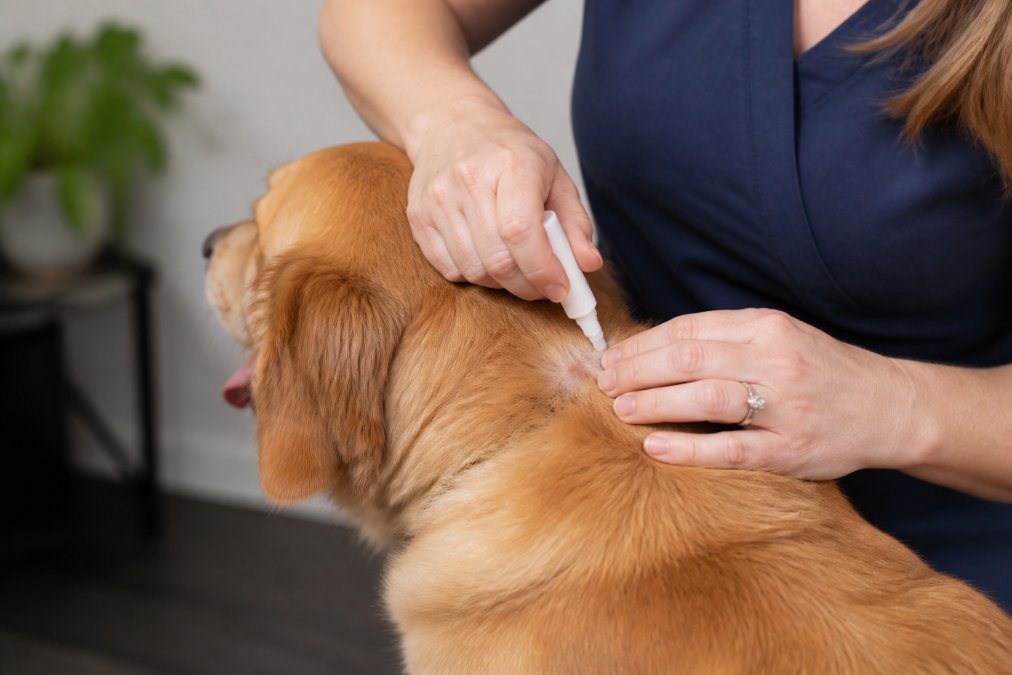
Topical treatments are liquids applied directly to the dog's skin, usually at the base of the neck where the dog cannot lick them off. These spread across the skin's surface and either repel ticks or kill them on contact. Most require monthly application, though some formulations last longer.
Oral medications work differently, given as tablets or chewables, they circulate through the bloodstream so that when a tick attaches and feeds, it ingests the active ingredient. This appeals to owners who prefer not to apply liquid treatments or who have multiple dogs. Both methods work best when applied consistently on schedule. Missing doses creates gaps in protection where ticks can establish themselves.
Tick collars and natural alternatives
Modern tick collars work through gas emission or sustained-release technology. Some create a protective zone around the head and neck, while others release active ingredients gradually over months. Duration varies significantly, some last eight months while others require replacement every few weeks.
Natural alternatives appeal to owners concerned about synthetic chemicals, but natural doesn't automatically mean effective or safe. Many natural options provide shorter protection windows than prescription alternatives and require more frequent reapplication. Some dogs also develop skin sensitivity to certain plant-based ingredients. The trade-off between natural ingredients and efficacy is real, effectiveness often decreases when you prioritize botanical compounds over proven synthetic active ingredients.
At TickFree Outdoors, we understand that pet owners want solutions matching their values and their dogs' needs. Whether you prefer topical treatments, oral medications, tick collars, or natural options, the key is consistency and monitoring.
How to Remove a Tick from a Dog Safely
Even with excellent prevention, occasionally a tick will attach to your dog. Knowing how to remove it safely prevents disease transmission and reduces infection risk.
Step-by-step removal process
Step 1: Gather your supplies. You'll need fine-tipped tweezers, rubbing alcohol, and a small container. Avoid using bare fingers or folk remedies like petroleum jelly or hot matches, which can cause the tick to regurgitate infected material into the bite wound.
Step 2: Locate the tick. Part your dog's fur to see the attachment site clearly. The tick's head will be embedded in the skin while its body extends outward.
Step 3: Grasp the tick at the head. Using tweezers, grip the tick as close to the skin as possible, right at the point of attachment. Grasping the body can cause the tick to squeeze infected material into the bite wound.
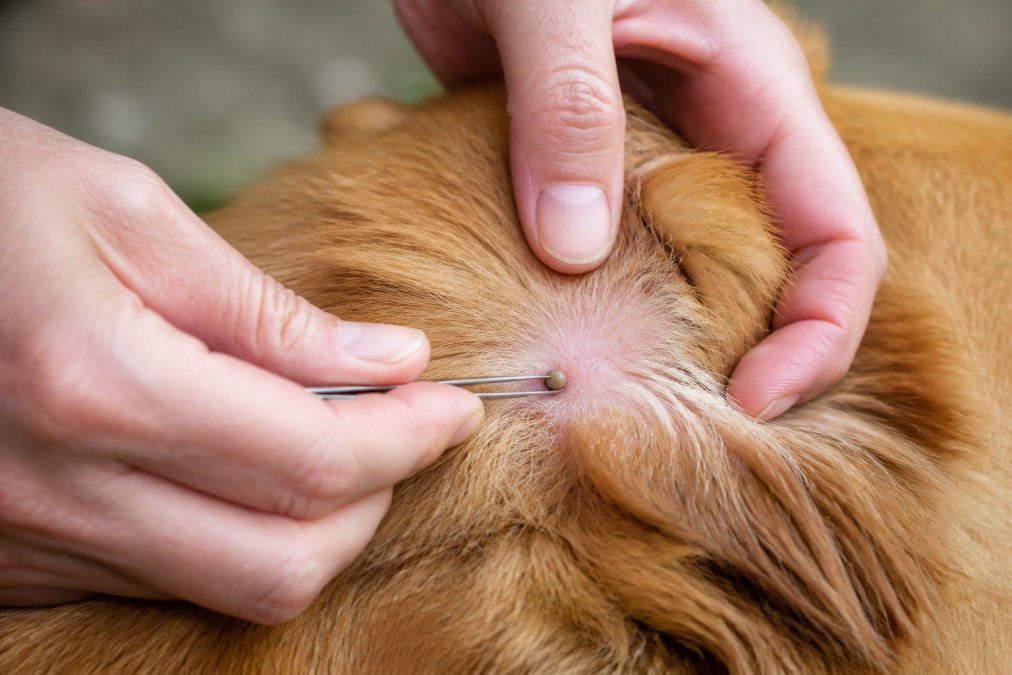
Step 4: Pull straight out. Apply steady, firm pressure and pull straight outward. Don't twist, jerk, or squeeze, these motions can break the tick apart, leaving mouthparts embedded in the skin.
Step 5: Clean the bite site. Once the tick is out, immediately clean the attachment area with rubbing alcohol or an antiseptic. Wash your hands thoroughly afterward.
Step 6: Dispose of the tick. Place the tick in rubbing alcohol or seal it in a container with alcohol. Never crush a tick with your fingers, as this releases infected material.
Post-removal care and monitoring
After removing a tick, monitor the bite site for several days. Normal healing involves mild inflammation that subsides within a week. Concerning signs include increasing redness, spreading swelling, discharge, or signs of infection, contact your veterinarian if these develop.
Watch your dog for behavioral changes or health issues in the weeks following tick removal, as some tick-borne diseases have incubation periods of days or weeks. Early signs might include lethargy, loss of appetite, limping, or fever. Document the date of tick removal and any symptoms you notice.
Daily Inspection and Environmental Prevention
Preventing ticks requires a multi-layered approach combining chemical prevention with physical inspection and environmental management. Daily checks catch ticks before they become fully engorged and transmit disease.
Grooming and tick checks
Run your hands over your dog's entire body daily, feeling for small bumps or irregularities in the skin. Ticks often attach in warm, protected areas: behind the ears, between the toes, in skin folds, around the tail base, and in the groin area. A thorough check takes five to ten minutes and catches most attached ticks within hours of attachment.
Use a fine-toothed comb or adhesive lint roller to remove ticks and tick debris from your dog's coat. This catches ticks that haven't yet embedded themselves and removes feces from engorged ticks, a potential disease source.
Yard and outdoor space management
Ticks thrive in yards with dense vegetation, tall grass, and leaf litter. Reducing these habitats makes your property less attractive to ticks. Mow grass regularly and remove leaf litter, particularly near areas where your dog spends time. Create a maintained zone immediately around your home by trimming back brush and removing dead wood.
Ticks spend most of their time in vegetation waiting for hosts. Removing or treating these areas directly addresses the problem at its source. Consider whether wildlife passes through your yard, as deer and other animals transport ticks. Fencing, removing food sources, and managing vegetation can reduce wildlife traffic.
TickFree Outdoors offers yard treatment options designed to reduce tick populations in outdoor spaces where your dog spends time. Combining yard management with personal prevention creates comprehensive protection.
Recognizing Tick-Borne Diseases and When to Seek Help
Several serious diseases can be transmitted through tick bites. Recognizing early symptoms enables prompt veterinary treatment.
Lyme disease is the most commonly reported tick-borne illness in many regions (the CDC). Symptoms include lameness (often shifting from one leg to another), fever, lethargy, and loss of appetite. Some dogs develop joint swelling or kidney problems. Symptoms can appear weeks after infection, making the connection to a tick bite less obvious. Early antibiotic treatment is effective.
Anaplasmosis causes fever, lethargy, and sometimes neurological symptoms. Ehrlichiosis presents similarly with fever, weakness, and sometimes bleeding disorders. Both respond well to early antibiotic treatment.
Contact your veterinarian if your dog develops fever, lameness, lethargy, or loss of appetite within weeks of tick season or known tick exposure. Describe any ticks you've found and removed, as this information helps guide diagnostic testing.
Common Mistakes to Avoid When Stopping Ticks on Dogs
Understanding what not to do prevents well-intentioned prevention efforts from backfiring.
The most common mistake is inconsistency with prevention. Skipping doses or delaying application creates gaps where ticks establish themselves. Set calendar reminders to apply topical treatments or administer oral medications on the same day each month.
Another frequent error is using multiple prevention products simultaneously without veterinary guidance. Some combinations are safe together, but others create toxicity risks. Always inform your veterinarian about every product you're using before adding another.
Improper tick removal causes more problems than it solves. Crushing the tick, twisting during removal, or using ineffective removal methods can inject infected material into the bite wound. Using proper technique with fine-tipped tweezers and steady pressure prevents these complications.
Ignoring environmental management while relying solely on chemical prevention creates unnecessary exposure. Combining chemical prevention with yard management and daily inspection provides comprehensive protection that no single method can achieve alone.
Failing to seek veterinary help when symptoms appear delays diagnosis and treatment. If your dog shows fever, lameness, or lethargy during or after tick season, contact your veterinarian promptly.
Stopping ticks on dogs requires consistent effort across multiple fronts: reliable prevention products, daily inspection, environmental management, and prompt veterinary care when needed. At TickFree Outdoors, we provide premium sprays, repellent patches, and yard treatments specifically designed to support this multi-layered strategy. Our fast shipping and exceptional customer service mean you can implement protection quickly when tick season arrives. Explore our full range of tick prevention products and find the combination that works best for your dog's needs and your lifestyle.
Frequently Asked Questions
When is tick season, and how long does it last?
Tick season typically runs from spring through fall, with peak activity in late spring and early summer. However, ticks remain active whenever temperatures stay above freezing, meaning in milder regions they can pose a risk year-round. The nymph stage, which is smaller and harder to detect, is especially active in late spring and early summer. Understanding your local tick season duration helps you time preventative treatments and inspections most effectively.
What's the best tick repellent for dogs, and how long does it actually last?
The best tick repellent depends on your dog's needs and your exposure level. Topical treatments typically last 30 days per application, while oral medications often provide 8-12 weeks of protection. Tick collars can last up to 8 months. Natural repellents may require more frequent reapplication. For heavy tick areas, prescription-strength options from your veterinarian offer the most reliable protection. Always consult your vet to match the right preventative to your dog's health profile and your local tick risk.
How do I safely remove a tick from a dog without leaving the head behind?
Use fine-tipped tweezers to grasp the tick as close to the skin as possible, then pull straight out with steady, even pressure. Avoid twisting or jerking, which can cause the tick to break apart. Never squeeze the body, as this can push pathogens into your dog. After removal, clean the attachment site with antiseptic and monitor the area for signs of infection. Place the tick in a sealed container or alcohol to kill it. If the head remains embedded, contact your veterinarian rather than trying to dig it out yourself.
Why does my dog keep getting ticks even with prevention, and what should I do?
Dogs can still contract ticks due to gaps in preventative coverage, breed-specific sensitivities that limit which treatments you can use, or exposure to heavily infested areas like long grass and leaf litter. Check that you're applying or administering your chosen preventative on schedule. If ticks persist despite consistent prevention, discuss switching to a different active ingredient or class of medication with your vet. Environmental control, trimming grass, removing leaf litter, and treating your yard, is equally important and often overlooked.
This article was written using GrandRanker