

Table of Contents
- Understanding Lyme Disease and Tick Risk
- How to Perform a Tick Check After Outdoor Activities
- Essential Clothing and Gear for Tick Prevention
- Using Repellents to Prevent Lyme Disease
- How to Remove a Tick Safely
- Protecting Pets from Ticks
- Yard Management and Landscaping for Tick Control
- Post-Exposure Protocol and When to See a Doctor
Last Updated: August 25, 2026
Understanding Lyme Disease and Tick Risk
Lyme disease is a serious bacterial infection transmitted through the bite of infected blacklegged ticks, also known as Ixodes scapularis. The nymph stage poses the greatest transmission risk, these ticks are smaller than a poppy seed and active during spring and early summer when most people venture outdoors (the CDC). If left untreated, Lyme disease can lead to serious complications affecting joints, the nervous system, and the heart.
The good news is that preventing Lyme disease doesn't require giving up outdoor activities. A comprehensive approach combining protective clothing, repellent application, tick checks, and yard management is highly effective for hikers, campers, hunters, gardeners, and pet owners.
How to Perform a Tick Check After Outdoor Activities
A thorough tick check is one of the most effective ways to prevent Lyme disease before infection establishes itself. The goal is to find and remove any attached ticks within 24 hours, ideally within a few hours of returning indoors (the CDC).
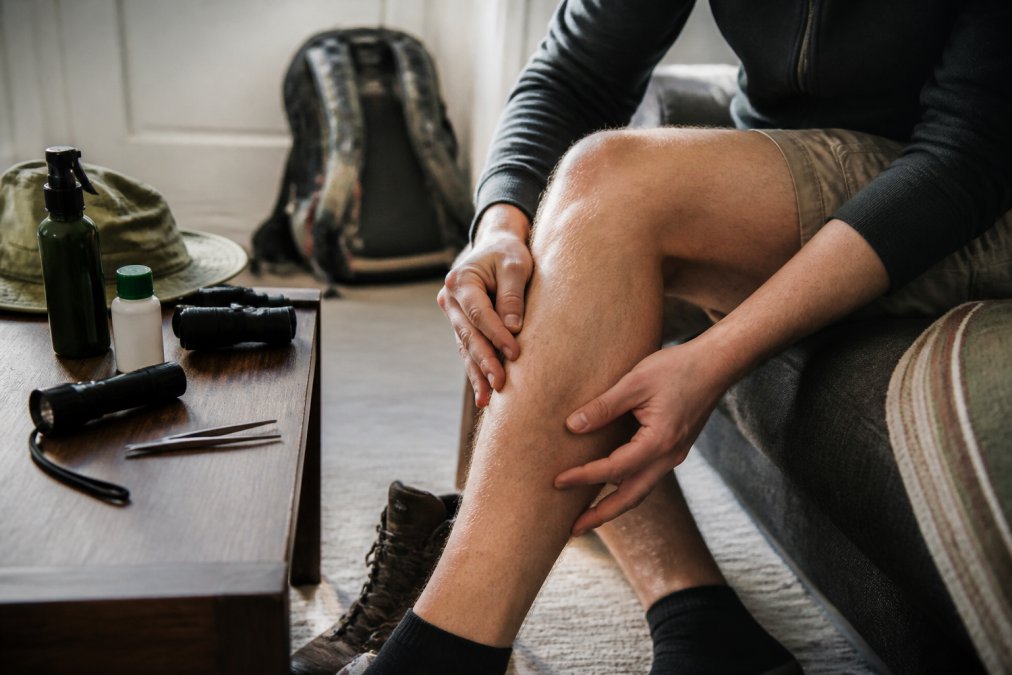
Start by removing all clothing and placing it directly into a hot dryer for at least 10 minutes. While your clothes dry, conduct a systematic visual inspection of your entire body using a mirror for hard-to-see areas like the back of your neck, behind your ears, your scalp, and between your toes. Pay special attention to skin folds and areas where clothing was tight, ticks prefer warm, moist spots. Run your fingers over your skin feeling for small bumps; an attached tick will feel like a small raised area.
Check your pets immediately after they come inside as well. Ticks will crawl from pets onto humans, so removing them from your dog or cat prevents secondary exposure. A proper tick check takes 10-15 minutes but can prevent weeks of illness.
Essential Clothing and Gear for Tick Prevention
What you wear makes an enormous difference in your exposure to ticks. Light-colored clothing is essential because you can see ticks crawling on light fabric. Long-sleeved shirts and full-length pants with tightly woven fabric are non-negotiable in tick-infested areas. Tuck your pants into your socks or boots to create a sealed barrier at your ankles, this simple step prevents ticks from crawling up your legs.

Wear sturdy, closed-toe hiking boots rather than sandals or low-cut shoes. A wide-brimmed hat protects your scalp and the back of your neck, another common attachment site.
Consider treating your clothing with permethrin, an insecticide that kills ticks on contact. Permethrin-treated clothing remains effective through multiple wash cycles. Apply it to shirts, pants, socks, and hats before heading outdoors. This is different from applying repellent to your skin, permethrin is designed specifically for fabric and should never be applied directly to skin.
Using Repellents to Prevent Lyme Disease
Topical repellents applied to exposed skin and clothing provide an additional layer of protection. The most effective options contain either DEET or Icaridin, both tested extensively for safety and efficacy against ticks.
DEET (N,N-diethyl-meta-toluamide) is the most widely recognized tick repellent. Products containing 20-30% DEET provide effective protection for several hours (the EPA). Icaridin is a newer alternative that many people find more pleasant to use, it's less greasy than DEET-based products and doesn't have the same strong odor. Products with 20% Icaridin offer comparable protection.
Both options are effective when applied according to label instructions. Wash treated skin with soap and water once you're indoors, and avoid applying repellent to cuts or irritated skin. Natural alternatives like oil of lemon eucalyptus (OLE) do provide some tick repellency, but protection is shorter-lived, typically 1-2 hours compared to 4-6 hours for DEET or Icaridin.
TickFree Outdoors offers premium repellent sprays and patches designed for extended outdoor stays. The key is consistency: apply repellent before heading outdoors, reapply at recommended intervals, and combine it with clothing barriers and tick checks. No single method is 100% effective, but layering these approaches dramatically reduces your infection risk.
How to Remove a Tick Safely
Despite your best prevention efforts, you may still find an attached tick. The key is removing it correctly, improper removal can increase infection risk by rupturing the tick and releasing infected fluids into the wound.
Gather fine-tipped tweezers, rubbing alcohol, and a small container. Do not attempt removal with your bare fingers, and avoid using petroleum jelly, nail polish, or heat. Grasp the tick as close to the skin as possible, right at the point where its mouthparts enter your skin. Pull straight upward with steady, even pressure. Do not twist, jerk, or squeeze the tick's body.
Once removed, place the tick in rubbing alcohol or seal it in a plastic bag to kill it. Clean the bite area with rubbing alcohol or soap and water. Monitor the area for the next 30 days for signs of infection, particularly the characteristic bullseye rash (erythema migrans) that indicates early Lyme disease.
Protecting Pets from Ticks
Dogs and cats are frequent tick hosts, and ticks crawling from pets onto humans pose a significant transmission risk. Start with a veterinary-approved flea and tick treatment. In addition to veterinary treatments, consider using tick-repellent products specifically designed for pets.
Groom your pet regularly, particularly during spring and early summer. Brushing removes ticks before they become embedded. Check your pet's ears, paws, and the areas under their legs where ticks hide. Create a tick-free zone in your home by washing your pet's bedding weekly in hot water and vacuuming areas where your pet sleeps frequently.
TickFree Outdoors recognizes that pet protection is as important as personal protection. Their comprehensive approach includes products designed to work alongside veterinary treatments, giving pet owners multiple layers of defense against tick exposure.
Yard Management and Landscaping for Tick Control
Your yard can be a significant source of tick exposure, particularly if it borders wooded areas. Ticks thrive in tall grass, leaf litter, and dense brush where humidity levels remain high. Mow your lawn regularly, keeping grass short (under 10 centimeters). Remove leaf litter, dead branches, and debris where ticks shelter. Create a buffer zone between your lawn and wooded areas by clearing vegetation, a 3-meter cleared strip significantly reduces tick migration from forest to yard.
Consider removing brush piles and dense shrubs that create ideal tick habitat. If you have a wood pile, keep it away from high-traffic areas and covered with a tarp. Create a wildlife barrier if deer frequent your property, deer are major tick hosts. Fencing at least 1.5 meters high can deter deer. Remove food sources like fallen fruit and accessible garbage that attract deer.
Even after yard treatment, continue regular tick checks and maintain your landscaping practices. A comprehensive approach combining multiple strategies is far more effective than relying on any single method.
Post-Exposure Protocol and When to See a Doctor
If you've been bitten by a tick or spent time in a high-risk area, monitor yourself for symptoms of early Lyme disease for the next 30 days. The characteristic bullseye rash (erythema migrans) appears in roughly 70-80% of infected individuals, typically 3-30 days after the bite. Other early symptoms include fever, fatigue, headache, muscle aches, and joint pain.
Seek medical attention immediately if you develop any of these symptoms, particularly if you know you've been bitten by a tick or spent time in a tick-infested area. Your doctor can order blood tests to confirm Lyme disease and prescribe prophylactic antibiotics if appropriate. Early treatment with antibiotics is highly effective at preventing progression to later-stage disease.
If you removed a tick and saved it, bring it with you to your appointment. Don't wait for symptoms to develop if you had a tick embedded for more than 24 hours in a high-risk area, some physicians recommend prophylactic antibiotics in these cases.
Preventing Lyme disease requires vigilance, but it doesn't require fear. By combining protective clothing, repellent application, regular tick checks, and yard management, you can safely enjoy outdoor activities while dramatically reducing your infection risk. TickFree Outdoors provides the premium sprays, repellent patches, and yard treatments you need to implement this comprehensive strategy. Start with the approach that fits your lifestyle and layer additional protections as needed. Get started with TickFree Outdoors and reclaim your outdoor adventures with confidence.
| Prevention Strategy | Best For | Frequency |
|---|---|---|
| Protective clothing + permethrin | Hikers, campers, hunters | Every outdoor outing |
| Topical repellents (DEET/Icaridin) | Extended outdoor stays | Reapply every 4-6 hours |
| Tick checks | All outdoor enthusiasts | Within 2-3 hours of returning indoors |
| Tick removal with tweezers | Emergency response | As needed |
| Pet tick treatments | Pet owners | Per veterinary recommendation |
| Yard management | Homeowners with wooded borders | Spring/early summer maintenance |
Frequently Asked Questions
What are the most effective ways to prevent Lyme disease?
The most effective prevention combines multiple strategies: wear protective clothing (long sleeves, long pants, light colors), use repellents containing DEET or Icaridin, perform thorough tick checks after outdoor activities, and manage your yard by removing leaf litter and brush. Blacklegged ticks, which carry Lyme disease, are most active in spring and early summer. Using all these methods together significantly reduces your infection risk compared to relying on any single approach.
How long does tick repellent actually last on skin and clothing?
DEET-based repellents typically last 4-6 hours on skin, while Icaridin products offer similar protection. Permethrin applied to clothing and gear can remain effective through multiple washes. Natural alternatives may wear off faster, often within 1-3 hours, requiring more frequent reapplication. For extended outdoor activities, plan reapplication accordingly and consider permethrin-treated clothing for longer-lasting protection without needing to reapply to skin.
How do I know if my pet has been exposed to ticks, and what should I do?
Check your pet's entire body, especially around ears, between toes, and in skin folds where ticks hide. If you find an attached tick, remove it promptly using fine-tipped tweezers, pulling straight out without twisting. Monitor your pet for symptoms like lethargy, lameness, or loss of appetite over the following weeks. Discuss preventative treatments with your veterinarian, as protecting pets from ticks is essential for their health and reduces tick populations around your home.
What should I do immediately after finding an attached tick?
Remove it as soon as possible. Use fine-tipped tweezers to grasp the tick as close to the skin as possible and pull straight out with steady pressure. Avoid crushing, twisting, or using heat, which can increase pathogen transmission. Clean the bite area with soap and water or an antiseptic. Place the tick in a sealed container or plastic bag for identification if symptoms develop later. Save the tick so a healthcare provider can confirm the species if needed.
Are there specific high-risk habitats where ticks are most common?
Blacklegged ticks thrive in wooded areas, tall grass, leaf litter, and brush near the forest edge. They are most active during spring and early summer, though they can be present year-round. High-risk habitats include areas with deer populations, as deer are common hosts. Understanding tick-infested areas helps you take extra precautions during hikes, camping, or gardening in or near wooded zones. Regional risk varies, so check local public health guidance for your area.
How can I create a tick-free environment in my yard?
Remove leaf litter, fallen branches, and dense brush where ticks hide. Keep grass short and create a 1-meter buffer zone between lawn and wooded areas. Discourage deer with fencing if possible. Consider treating your yard with permethrin-based products designed for landscape use, following label instructions carefully. Regularly inspect play areas and pet zones. These landscaping and yard management steps reduce tick populations around your home, lowering exposure risk for your family and pets.
What early symptoms of Lyme disease should I watch for?
The most recognizable sign is a bullseye rash (erythema migrans) that appears 3-30 days after an infected tick bite. The rash often expands outward in a circular pattern. Other early symptoms include fever, fatigue, muscle aches, and headache. Not everyone develops the rash. If you suspect Lyme disease after a tick bite, especially if you develop a rash or flu-like symptoms, contact a healthcare provider promptly. Early treatment with antibiotics is highly effective at preventing progression.
This article was written using GrandRanker