

Table of Contents
- Understanding Sensitive Skin in Pets
- Signs of Tick Collar Dermatitis in Pets
- Oral Tick Medications: Prescription Chews and Tablets
- Topical Spot-On Treatments for Sensitive Skin
- Natural Tick Repellent for Dogs: Sprays and Botanical Options
- How to Remove a Tick from a Dog Safely
- How to Choose Safe Tick Collar Alternatives for Sensitive Skin
- Frequently Asked Questions
Last Updated: September 17, 2026
Understanding Sensitive Skin in Pets
Sensitive skin in pets means a compromised skin barrier that reacts badly to ingredients, friction, or allergens other dogs tolerate. This guide from TickFree Outdoors covers safe tick collar alternatives for sensitive skin.
Three factors drive most reactions:
- Chemical sensitivity to the insecticide the collar releases
- Physical friction from a stiff or ill-fitting band
- Pre-existing allergies that a collar simply aggravates
Signs of Tick Collar Dermatitis in Pets
Tick collar dermatitis is an inflammatory reaction where a collar sits, typically appearing within the first week to ten days of wear. Catch it early, continued exposure turns mild irritation into stubborn infection.
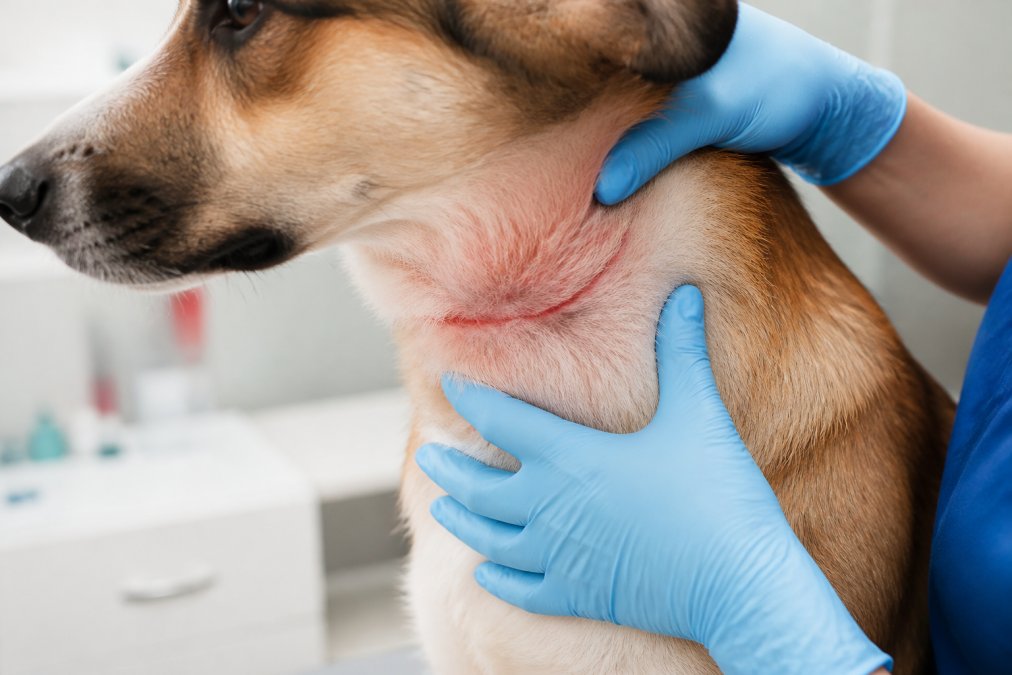
- Redness, warmth, or visible irritation under the band
- Excessive scratching, rubbing, or head shaking
- Hair loss or thinning in a ring around the neck
- Dry, flaky, or crusted patches
- A rash that spreads beyond the collar line
- Swelling or a greasy, oozing texture in severe cases
Oral Tick Medications: Prescription Chews and Tablets
Oral tick medications are chews or tablets that work systemically, the active ingredient enters the bloodstream rather than sitting on the skin. For dogs reacting to anything touching their coat, this is often the cleanest solution.
| Product | Protection Duration | Delivery | Best For |
|---|---|---|---|
| Bravecto | Up to 12 weeks | Chewable tablet | Dogs who can't tolerate any topical product |
| NexGard | Monthly | Beef-flavored chew | Owners wanting a simple monthly routine |
| Simparica | 35 days | Oral tablet | Consistent monthly coverage without skin contact |
Topical Spot-On Treatments for Sensitive Skin
Spot-on treatments are liquids applied between the shoulder blades, where a dog can't easily lick them off. They provide up to 30 days of waterproof protection, sitting between collars and orals.
Natural Tick Repellent for Dogs: Sprays and Botanical Options
A natural tick repellent for dogs swaps synthetic insecticides for botanicals like essential oils, hydrosols, and plant extracts. They suit sensitive dogs because they're gentler on the skin barrier, but need reapplication every two to four hours on trail days versus a spot-on's 30-day window.
The essential oil blacklist for dogs
Never apply these to a dog, add them to shampoo, diffuse them in a closed room with a dog, or use them on a bandana or collar. Ingestion and high-concentration dermal exposure are the main routes to toxicity.
- Tea tree (Melaleuca alternifolia), toxic when ingested; dermal exposure above roughly 1% causes drooling, vomiting, weakness, and in severe cases tremors and ataxia. Many "pet-safe" sprays still list it.
- Wintergreen (methyl salicylate), a salicylate, essentially aspirin. A small ingested amount can cause GI bleeding and metabolic acidosis.
- Peppermint and other high-menthol oils, can trigger vomiting, drooling, and liver changes in dogs; cats are far more sensitive and can develop respiratory distress from diffused exposure.
- Citrus oils (d-limonene, linalool, citrus peel extracts), d-limonene is a known dermal irritant in dogs and is toxic to cats; it is a common hidden ingredient in "fresh-scent" repellent sprays.
- Cinnamon, clove, and eugenol, strong contact irritants that cause chemical burns on mucous membranes and broken skin, and can trigger liver damage if ingested.
- Pine, eucalyptus, and camphor, respiratory irritants; camphor in particular is neurotoxic to dogs and cats at low ingested doses.
- Pennyroyal, comfrey, and tansy, traditional flea and tick botanicals that are hepatotoxic in dogs and should be avoided entirely.
- Garlic and onion extracts, sometimes marketed as internal flea repellents; both cause oxidative damage to red blood cells and can trigger hemolytic anemia, especially in small breeds.
Oils that are generally considered safer when properly diluted
No essential oil is risk-free, but these are most often used in veterinary-formulated, dog-specific repellents at low concentrations. Dilution matters: a topical spray typically uses well under 1% total essential oil in a carrier like fractionated coconut oil or witch hazel. Never apply undiluted "neat" oil to a dog.
- Cedarwood, traditional tick repellent; use only the dog-safe diluted form, never the aromatic cedarwood oil sold for diffusers.
- Geraniol, a component of citronella and rose geranium; effective against ticks at low concentrations, but still a contact sensitizer in some dogs.
- Rose geranium, the most common botanical tick repellent in dog-specific sprays; still patch-test first.
- Lemongrass and citronella, repellent but irritating at higher concentrations; keep the total load low.
- Neem oil, used for fleas and ticks; cold-pressed, diluted neem is generally tolerated, but ingestion causes GI upset.
Why sprays and patches beat collars for sensitive dogs
Health Canada pest control product database
How to Remove a Tick from a Dog Safely
Removing a tick safely comes down to one rule: pull straight, pull steady, never twist or crush. A botched removal leaves mouthparts embedded, a fast route to infection.
Follow these steps:
- Part the fur and locate the tick against the skin
- Use fine-tipped tweezers or a tick removal tool
- Grasp the tick as close to the skin as possible
- Pull upward with steady, even pressure, no twisting
- Clean the bite area with antiseptic
- Save the tick in a sealed container for identification
- Watch the site for signs of infection over the next few weeks
How to Choose Safe Tick Collar Alternatives for Sensitive Skin
Choosing safe tick collar alternatives for sensitive skin starts with matching the delivery method to your dog. The right option depends on sensitivity severity, tick pressure, age, and how consistent you can be with reapplication. Work through the four steps in order, most owners skip to step four and cycle through products that fail for the same reason.
Step 1: Run a patch test before anything else
Patch testing is the highest-value thing you can do. The goal: expose a small, controlled area of skin to the product and watch for a reaction before it ever touches your dog's neck or back.
- Pick the test site. The inner thigh or groin, where skin is thin and hair sparse, gives the clearest read. Avoid the neck, that's the area you're trying to protect, and a reaction there is harder to manage.
- Clip a small square. About 2 cm by 2 cm is enough. Don't shave to bare skin; clippers at a 10-blade length are fine.
- Mark the boundary. Draw a light circle around the clipped area with a pet-safe marker or note its position with a photo. You need to know exactly where you applied the product.
- Apply the smallest effective amount. For a spray, one or two pumps onto a cotton pad, then dab, don't spray directly. For a spot-on, the smallest drop you can dispense. For a chew, skip to step 2.
- Wait 24 hours, then check. Look for redness, swelling, warmth, hives, or a greasy or oozing texture. Take a photo in the same lighting as your baseline.
- Wait another 24 hours, then check again. Delayed reactions are common with essential oils and some spot-on actives. A 48-hour window catches most of them.
- Watch for systemic signs, not just skin. Drooling, vomiting, lethargy, wobbliness, or pawing at the mouth within 48 hours means stop and call your vet, that's a systemic reaction, not a contact one.
- If clear, apply to the real site. Start with half the normal dose for the first application and monitor for another 24 hours.
Step 2: Match the delivery method to the sensitivity
- Severe reactions to any topical product → ask your vet about oral chews. No skin contact, no collar friction, no topical residue.
- Mild sensitivity, want no prescription → a spot-on applied between the shoulder blades, with a 48-hour watch on the application site.
- Frequent hiking or heavy tick exposure → combine a repellent spray with a yard treatment so you're not relying on one layer.
- Quick, low-commitment protection → repellent patches or sprays you control, reapplied on your schedule.
Step 3: Adjust for your dog's age
Age changes the risk calculus, and most guides ignore it.
- Puppies under 12 weeks, many tick products, including oral chews and spot-ons, aren't labeled for use under a specific age or weight. Puppies also have a thinner skin barrier and less mature liver, clearing actives more slowly. Default to manual tick checks after every outing, a fine-toothed comb, and a vet-guided decision on any product.
- Puppies 12 weeks to 6 months, some products become appropriate, but weight-based dosing matters more than age. A puppy gaining 2 kg in a month may outgrow the box dose. Re-weigh before each refill.
- Adult dogs, the full range of options is generally on the table, subject to the patch test.
- Senior dogs, compromised liver or kidney function changes how a dog handles systemic medications. Oral chews fine at age four may not suit age twelve. Ask your vet to review bloodwork before starting or continuing any systemic product.
- Dogs on other medications, some tick actives interact with common drugs, including certain seizure medications and immunosuppressants. Disclose everything your dog takes.
Step 4: Layer, rotate, and re-check
For a spray usable on both dogs and people without harsh residues, TickFree Outdoors makes botanical repellent sprays, patches, and yard treatments for outdoor enthusiasts and their pets. The range covers people, dogs, and yards, with fast shipping, great prices, and exceptional customer service.
Frequently Asked Questions
What is the best flea collar for dogs with sensitive skin?
There isn't a one-size-fits-all collar for sensitive dogs. Many traditional collars contain active ingredients that can trigger dermatitis, causing redness, itching, or hair loss. If your dog has reacted to collars before, consider prescription oral chews like Bravecto or NexGard, which bypass skin contact entirely. Alternatively, natural sprays with botanical repellents may work, but always patch test first and consult your veterinarian to rule out underlying allergies.
What can I use instead of a flea collar?
You have several options: oral medications (e.g., Bravecto, NexGard, Simparica) that require a vet prescription; topical spot-on treatments like TevraPet Activate II; natural repellent sprays containing essential oils; and environmental management such as yard treatments and regular tick checks. Each has pros and cons. Oral chews offer long-lasting protection without skin contact, while sprays and topicals may need more frequent application. Discuss with your vet to find the safest fit for your dog's sensitivity.
How can I protect my dog from ticks without causing skin irritation?
Start by avoiding collars and topicals that contain known irritants. Prescription oral chews are a good choice because they work systemically and don't touch the skin. If you prefer natural methods, use a repellent spray specifically formulated for sensitive skin, and always perform a patch test on a small area before full application. Regular grooming, tick checks after outdoor activities, and keeping your yard tick-free with safe treatments can also reduce exposure without irritating your dog's skin.
What are the signs of a skin reaction to tick collars?
Watch for redness, itching, swelling, hair loss, or scabs around the neck where the collar sits. Your dog may scratch excessively, rub its neck on furniture, or show discomfort when you touch the area. In severe cases, you might see oozing sores or a secondary infection. If you notice any of these signs, remove the collar immediately and contact your veterinarian. They can recommend a safe alternative and treat the irritation.
Are essential oil-based tick repellents safe for all dogs?
No, essential oils can be toxic to dogs if ingested or applied incorrectly. Some oils, like tea tree and citrus, may cause drooling, vomiting, or worse. Always dilute essential oils properly and avoid use around the face, genitals, or broken skin. Puppies, pregnant dogs, and those with liver or kidney issues are especially vulnerable. Consult your vet before using any essential oil product, and consider veterinarian-approved alternatives like oral preventatives if your dog has sensitivities.