

Table of Contents
- Quick Comparison: 6 Tick Repellents for Camping
- 1. TickFree Outdoors: A Complete Tick Protection System
- 2. Sawyer Products Permethrin Fabric Treatment: Gear-First Defense
- 3. Ben's Tick Repellent: 12-Hour Skin Protection
- 4. OFF! Deep Woods: The Accessible DEET Option
- Health Canada Approved Tick Repellent: What the Label Tells You
- 5. Murphy's Naturals Lemon Eucalyptus Oil Mist: Plant-Based Pick
- 6. Grand Tongo Fragrance-Free Insect Repellent: For Sensitive Noses
- How to Prevent Tick Bites While Camping: A Layered System
- Natural Tick Repellent for Dogs: What Actually Works
- Frequently Asked Questions
Last Updated: September 24, 2026
Quick Comparison: 6 Tick Repellents for Camping
If you want to buy effective tick repellent for camping, the six options below cover every major approach: full protection systems, permethrin gear treatments, long-wear skin formulas, DEET classics, plant-based picks, and fragrance-free choices for sensitive users. This guide from TickFree Outdoors breaks down what each one does best, where it falls short, and who it suits.
| Product | Active Ingredient | Best For | Protection Type |
|---|---|---|---|
| TickFree Outdoors | Complete system | Families, pets, yards | Sprays, patches, yard treatment |
| Sawyer Permethrin | Permethrin | Clothing and gear | Fabric treatment |
| Ben's Tick Repellent | DEET-based | Extended hikes | Skin application |
| OFF! Deep Woods | DEET | General camping | Skin application |
| Murphy's Naturals | Oil of lemon eucalyptus | Natural preference | Skin application |
| Grand Tongo | Fragrance-free formula | Sensitive users | Skin application |
1. TickFree Outdoors: A Complete Tick Protection System
Pros:
- Covers people, pets, and yards in one brand
- Fast shipping and worldwide delivery
- Premium customer service if something underperforms
Cons:
- No single "one spray does everything" shortcut; you choose the right product per use
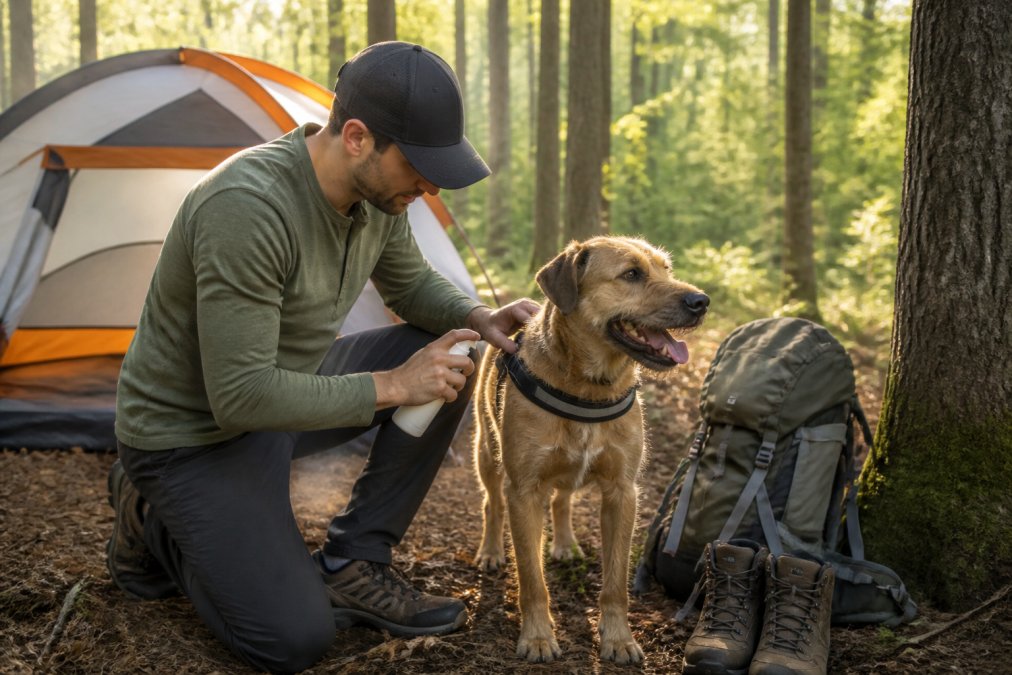
2. Sawyer Products Permethrin Fabric Treatment: Gear-First Defense
Sawyer's permethrin treatment is the gold standard for gear-first protection. You spray it on clothing, tents, and boots, never on skin. Once dry it's odorless and doesn't stain fabrics or damage synthetic gear.
Pros:
- Long-lasting residual protection through repeated washings
- Kills ticks on contact
- Safe for tents, boots, and synthetic fabrics
Cons:
- Must be applied to gear, not directly to skin
- Requires drying time before use
3. Ben's Tick Repellent: 12-Hour Skin Protection
Ben's is built for long days in remote terrain. It delivers up to 12 hours of protection per application, which reduces how often you stop to reapply on a full-day hike or multi-night trip.
Pros:
- Long-lasting formula means fewer applications
- Reliable in remote environments
- Compact packaging for a pack
Cons:
- High active-ingredient concentration requires careful handling
4. OFF! Deep Woods: The Accessible DEET Option
OFF! Deep Woods is the DEET option you can grab almost anywhere. It's formulated for dense, wooded camping areas and resists perspiration, so it holds up through sweaty hikes.
Pros:
- Widely available at most retailers
- Proven effectiveness across a broad spectrum of biting insects
- Resists perspiration
Cons:
- Strong chemical scent
- Can degrade some plastics and synthetic watch straps
Health Canada Approved Tick Repellent: What the Label Tells You
A Health Canada approved tick repellent carries a Pest Control Product (PCP) number on the label. That number confirms the product has been reviewed for safety and efficacy before it can be sold.
- The PCP number - proof of regulatory review
- The active ingredient and its concentration - this determines how long protection lasts
- The reapplication interval - the maximum frequency the manufacturer supports
5. Murphy's Naturals Lemon Eucalyptus Oil Mist: Plant-Based Pick
Murphy's Naturals uses oil of lemon eucalyptus as its active ingredient, a plant-derived option recognized by health authorities as an effective alternative to synthetic chemicals. The scent is far more pleasant than DEET, which matters on a multi-day trip.
Pros:
- Plant-based active ingredient
- DEET-free
- Pleasant natural scent
Cons:
- Requires more frequent reapplication than DEET
6. Grand Tongo Fragrance-Free Insect Repellent: For Sensitive Noses
Grand Tongo solves a specific problem: the smell. It's a fragrance-free formula with no lingering chemical odor, and it dries non-greasy on the skin.
Pros:
- No lingering chemical odor
- Lightweight, non-greasy feel
- Suitable for sensitive skin
Cons:
- Harder to find in stores than major brands
How to Prevent Tick Bites While Camping: A Layered System
No single product stops every tick. A layered system does, and the layers have to be sequenced correctly to work. Think of it as three zones: your gear, your clothing, and your exposed skin, each with its own product, its own reapplication schedule, and its own failure mode.
Zone 1: Gear and fabric (permethrin)
Treat clothing, boots, the tent floor, and your pack straps with a permethrin fabric treatment before the trip. Permethrin is not a repellent in the way DEET is, it is an acaricide that kills ticks on contact, so a tick that crawls onto your pant leg dies before it reaches skin. Treat gear outdoors, let it dry fully (usually a few hours in low humidity), and store treated items in a sealed bag between trips.
Zone 2: Clothing and physical barriers
Fabric is your cheapest layer. Long sleeves, long pants, and, critically, pant cuffs tucked into socks close the gap ticks use to reach skin. Light-colored clothing makes crawling ticks easier to spot. A common pattern is that campers treat their shirt but leave their socks untreated; ticks quest from grass at ankle height, so untreated socks are the single most common entry point.
Zone 3: Exposed skin (DEET, picaridin, or OLE)
Skin repellent covers what fabric doesn't: neck, ears, wrists, and any exposed ankle. Match the active ingredient to the trip:
- DEET at 20-30% is the benchmark for long hikes and heavy habitat. Higher concentrations mainly extend duration, not strength.
- Picaridin at 20% performs comparably against ticks with less odor and less risk to plastics and synthetic fabrics.
- Oil of lemon eucalyptus (OLE) is the plant-derived option with recognized efficacy, but expect to reapply every few hours.
Biome-specific adjustments
Generic advice fails because tick density and species shift with habitat:
- Humid mixed forest and green belts: highest nymphal activity; treat everything and reapply skin repellent on schedule.
- Dry grassland and prairie: lower density but ticks still quest from grass tips; focus on socks, boots, and lower legs.
- Rocky or alpine terrain: risk drops sharply above the treeline, but campers often pick up ticks in the brush at the trailhead before climbing.
Gear compatibility warning
DEET degrades some plastics, synthetic watch straps, tent coatings, and treated fabrics. If you're carrying a lightweight tent or a GPS with a plastic housing, keep DEET off those surfaces and use picaridin or permethrin-treated clothing instead. This is the compatibility layer most guides skip entirely.
The daily sequence
- Morning: dress in treated clothing, tuck cuffs, apply skin repellent to exposed areas.
- During the day: reapply skin repellent per the label interval; avoid tall grass and leaf litter where nymphs wait.
- Evening: full tick check, scalp, behind the knees, under the arms, waistband, and groin. Shower within two hours of leaving the trail.
- After the trip: wash and dry clothing on high heat, and inspect pets before they enter the tent.
If you find an attached tick, remove it promptly with fine-tipped tweezers, pulling straight up without twisting. Save the tick for identification if you can. Watch for symptoms in the following weeks and seek medical advice if any appear.
Natural Tick Repellent for Dogs: What Actually Works
Dogs pick up ticks faster than people because they push through grass at nose height, and a tick that drops off a dog inside a tent can find a human next. Protecting your dog is part of protecting your campsite, but the products that work on people are not the products that work on dogs.
What actually works on dogs
- Vet-prescribed preventatives (oral or topical) are the base layer. They kill ticks that attach, but they don't stop ticks from climbing on, so they don't replace repellents.
- Permethrin-treated gear, a dog harness, bandana, or vest treated with the same fabric treatment you use on your own clothing, adds a contact-kill layer. Never apply permethrin directly to a dog's skin or coat.
- Plant-based sprays formulated for dogs using oils like cedarwood, peppermint, or lemongrass can deter ticks on the coat, but their duration is short, often under two hours, so they need frequent reapplication on a hike.
- Tick checks are the layer that catches what everything else misses. Run your hands against the grain over the ears, neck, armpits, groin, and between the toes after every walk.
What does not work, or is dangerous
- DEET is toxic to dogs. Never apply human repellent to a dog, even diluted.
- Essential oils in high concentration can cause drooling, vomiting, or tremors in dogs, especially cats in the same tent. Diffusers and concentrated sprays are a bad idea in a confined campsite.
- Garlic, brewer's yeast, and similar home remedies have no reliable evidence for tick deterrence and can cause digestive upset.
Campsite integration
If your dog sleeps in the tent, treat the dog's bedding or mat the same way you treat your own gear, and do a full body check before the dog comes inside. Keep the dog out of tall grass and leaf litter on the walk in, and check paws and ears first, those are the attachment points owners most often miss.
Frequently Asked Questions
What is the most effective tick repellent for camping in wooded areas?
Permethrin-treated clothing combined with a DEET or picaridin skin repellent delivers the strongest protection in wooded areas. Sawyer Products Permethrin Fabric Treatment kills ticks on contact and lasts through six washings, while Ben's Tick Repellent offers up to 12 hours of skin protection. For a complete system, TickFree Outdoors offers sprays, patches, and yard treatments that work together. Always check that your chosen tick repellent carries a Health Canada Pest Control Products registration number.
Are natural tick repellents as effective as DEET or permethrin?
Natural options like oil of lemon eucalyptus can work, but they typically need more frequent reapplication than DEET or permethrin. Murphy's Naturals Lemon Eucalyptus Oil Mist is a plant-based choice that Health Canada recognizes as an effective active ingredient, though it may wear off faster during heavy sweating. If you prefer natural tick repellent, plan to reapply every few hours and pair it with permethrin-treated clothing for a stronger barrier.
Is permethrin banned in Canada?
Permethrin is not banned in Canada, but its regulation differs from the United States. Health Canada's Pest Management Regulatory Agency oversees permethrin products, and some formulations sold in the US may not carry Canadian registration. Sawyer Products Permethrin Fabric Treatment is designed for gear, not skin, and should only be used on clothing, tents, and boots. Always confirm the product label shows a Canadian registration number before you buy effective tick repellent for camping.
How often should I reapply tick repellent while camping?
Reapplication depends on the active ingredient and your activity level. DEET-based products like OFF! Deep Woods generally last several hours, while Ben's Tick Repellent advertises up to 12 hours. Natural repellents such as oil of lemon eucalyptus often need reapplication every two to four hours, especially if you are sweating heavily. Permethrin-treated clothing does not need reapplication between washes, making it a reliable base layer for extended camping trips.
What is the best natural tick repellent for dogs?
For dogs, look for repellents formulated specifically for pets and never apply human products without checking with your veterinarian. Natural tick repellent for dogs often uses plant-based ingredients, but effectiveness varies. TickFree Outdoors offers pet-safe tick protection options. Combine any repellent with a thorough tick check after every outing, focusing on ears, armpits, and between toes. Consult your vet before switching products, especially if your dog has sensitive skin.
Ticks are patient, and one missed nymphal tick can undo a great trip. The simplest fix is a system rather than a single bottle: treated gear, skin repellent, and a nightly check. TickFree Outdoors offers premium sprays, repellent patches, and yard treatments that cover people, pets, and your home environment, with fast shipping and premium customer service behind every order. Get started with TickFree Outdoors and build a protection routine that holds up in heavy tick habitat.