

Table of Contents
- What Permethrin-Treated Clothing Actually Does
- How to Apply Permethrin to Clothing: DIY vs. Factory-Treated
- How Long Does Permethrin Last on Clothes
- Permethrin vs. DEET for Camping: Which Works Better
- Cost-Benefit Analysis: Is It Worth the Investment
- Safety, Storage, and Fabric Compatibility
- Verdict: When Permethrin-Treated Clothing Makes Sense
- Frequently Asked Questions
Last Updated: September 19, 2026
What Permethrin-Treated Clothing Actually Does
Permethrin-treated clothing coats fabric fibers with a synthetic insecticide that kills ticks, mosquitoes, chiggers, and other biting insects on contact. Unlike topical repellents applied to skin, permethrin creates a protective barrier on your gear itself.
When an insect lands on treated fabric, permethrin disrupts its nervous system, often preventing ticks from attaching before they can transmit diseases like Lyme disease.
Permethrin stays on clothing through multiple wash cycles, creating a durable barrier that requires no reapplication during a camping trip. This is why is permethrin treated clothing worth it for camping has become such a common question among outdoor enthusiasts.
How to Apply Permethrin to Clothing: DIY vs. Factory-Treated
You have two practical paths: treat your existing gear yourself using a spray product, or buy pre-treated apparel. Each approach carries distinct trade-offs in upfront cost, durability, and long-term expense.
DIY Application (Spray-On Method)
Products like Sawyer Permethrin Fabric Treatment come in aerosol or pump bottles. Lay clothing on a flat surface outdoors, spray evenly until damp, and let dry 24 hours. One application lasts through approximately 6 washings or 6 weeks of regular use.
A 200-300 ml bottle costs $15-25 and treats 2-3 outfits. Monthly campers need 8-10 bottles per season ($120-250 annually). The advantage is flexibility: treat only the items you need, avoiding the expense of replacing an entire wardrobe.
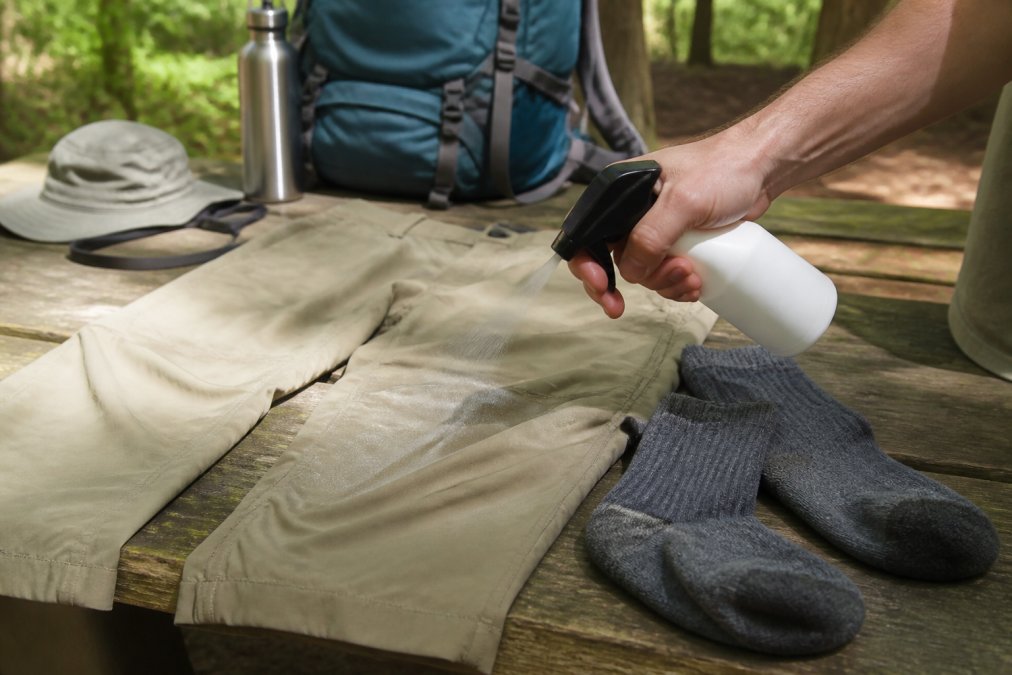
Drawbacks include planning requirements, messy application in well-ventilated spaces only, uneven coverage reducing effectiveness, and reapplication every 6 washes, a recurring burden for frequent campers.
Factory-Treated Apparel
Companies like Insect Shield embed permethrin into fabric during manufacturing, bonding chemically to survive 70+ wash cycles. Pre-treated items require no preparation.
Factory-treated hiking pants cost $80-150 per pair versus $40-80 untreated. A complete outfit runs $150-300. A single pair lasts 70+ washes (18-24 months), while a DIY user would purchase 12-15 spray bottles ($180-375) over the same period. Pre-treated apparel costs less over its lifespan and eliminates reapplication logistics.
Factory treatment ensures even coverage with no risk of missed spots, justifying the premium for users valuing consistency and convenience.
The Seasonal Cost Comparison
For 12 trips per year: DIY costs $160-200 annually plus time; factory-treated costs $200-300 upfront with zero reapplication for 18-24 months. By year two, factory-treated becomes significantly cheaper.
How Long Does Permethrin Last on Clothes
Duration depends entirely on your treatment method, which is important for deciding if is permethrin treated clothing worth it for camping.
DIY-Treated Clothing
Spray-on permethrin protects through 6 washings or approximately 6 weeks of use with normal laundering. Hot water and heavy-duty cycles degrade it faster.
After 6 washes, protection drops noticeably and you'll need to reapply.
Factory-Treated Apparel
Insect Shield-treated clothing maintains protection through 70+ wash cycles, roughly 18-24 months of weekly laundering, without the degradation of spray-on applications.
Permethrin vs. DEET for Camping: Which Works Better
These are fundamentally different tools, and choosing between them requires understanding what each does.
How They Differ
DEET is a topical repellent applied to skin that confuses insect sensory receptors. Permethrin is a contact insecticide applied to fabric that kills insects on contact.
DEET protects exposed skin for 4-8 hours before washing off. Permethrin protects clothing continuously for weeks but only where fabric is present.
When to Use Each
The most effective approach uses both: permethrin-treated clothing on pants, socks, and cuffs where ticks attach, plus DEET on exposed skin.
This combination is more reliable than either alone, providing redundant protection when tick-borne diseases are a genuine risk.
Cost-Benefit Analysis: Is It Worth the Investment
Whether is permethrin treated clothing worth it for camping depends on how often you camp, your tick exposure risk, and your tolerance for reapplication maintenance.
The Math for Frequent Campers
If you camp monthly or more, DIY spray treatment becomes tedious, requiring multiple bottles per season and repeated planning. The cumulative cost often exceeds buying pre-treated items.
Frequent campers in high-tick areas typically find pre-treated apparel worth the premium, eliminating the need to retreat gear six times per season.
The Math for Occasional Campers
If you camp 2-3 times per year, DIY spray treatment makes economic sense. A single bottle treats multiple outfits and lasts your entire season.
Even occasional campers should consider the risk: a single tick can cause serious illness. The cost of treatment is trivial compared to medical expenses from tick-borne disease.
Regional Risk Factors
Your location matters significantly. Areas with high nymphal tick populations and documented Lyme disease transmission warrant stronger preventative measures. Regions with minimal tick activity make permethrin less critical.
Research your specific area. Public health agencies track tick-borne disease prevalence by region. If your camping destinations fall in high-risk zones, the cost of permethrin treatment becomes a legitimate health investment, not just convenience.
Safety, Storage, and Fabric Compatibility
Permethrin is safe for humans when used as directed, but it requires proper handling, storage, and awareness of pet safety risks that many users overlook.
Application Safety
Always apply permethrin outdoors or in extremely well-ventilated spaces. Never spray indoors where fumes concentrate. Wear personal protective equipment during application: gloves and a respirator if you're sensitive to aerosols. Let treated items dry completely before wearing, typically 24 hours.
Permethrin is neurotoxic to insects but has low toxicity to mammals at the concentrations used for fabric treatment. Your skin won't absorb dangerous amounts through contact with treated clothing. However, ingestion or inhalation during application is a different story. Respect the product label and follow all safety instructions.
Pet Safety: A Critical Consideration
This is where many campers make dangerous mistakes. Permethrin is highly toxic to cats and moderately toxic to dogs, especially when wet or freshly applied. Never allow pets to contact treated clothing, gear, or treated fabric before it has dried completely (minimum 24 hours). Cats are particularly vulnerable because they groom themselves and can ingest permethrin residue from their fur if they brush against treated items.
Symptoms of permethrin toxicity in pets include tremors, drooling, vomiting, loss of appetite, and neurological signs.
For households with cats, consider these precautions:
- Store treated clothing in sealed containers or closets your cat cannot access.
- Treat gear outdoors and allow it to dry in a secure location away from pets.
- If you use DIY spray, apply it in a garage or shed with the door closed, then move treated items to a pet-free drying area.
- Wash treated clothing separately from other household laundry to prevent cross-contamination.
- After washing treated items, dry them completely before storing them where pets might contact them.
Storage Considerations for Off-Season Preservation
- Temperature: Store treated clothing in a cool location (ideally 15-21°C). Basements, climate-controlled closets, or unheated spare rooms work well. Avoid attics or garages that experience temperature swings.
- Humidity: Keep treated items in a dry environment. High humidity accelerates permethrin breakdown. Use sealed storage bags or airtight containers to isolate treated gear from ambient moisture. Silica gel packets inside storage containers help absorb excess humidity.
- Light: Store away from direct sunlight. UV exposure degrades the compound. Opaque storage bags or dark closets are ideal.
- Duration: DIY-treated clothing maintains reasonable effectiveness for 6-12 months if stored properly. Factory-treated apparel lasts 18-24 months in storage before noticeable degradation occurs.
- Separation: Store treated clothing separately from untreated items. This prevents accidental cross-contamination and makes it easier to track which items are treated.
Fabric Compatibility and Testing
Verdict: When Permethrin-Treated Clothing Makes Sense
Is permethrin treated clothing worth it for camping? The answer depends on your situation.
Buy Pre-Treated Apparel If:
Use DIY Spray Treatment If:
Use Both Methods If:
Lyme disease prevention guidance from public health authorities
Frequently Asked Questions
Do permethrin-treated clothes actually work against ticks?
Yes. Permethrin is a synthetic pyrethroid insecticide that kills ticks on contact. Studies show treated clothing reduces tick attachment rates significantly. The effectiveness depends on proper application, fabric type, and how many wash cycles the treatment has endured. Factory-treated apparel maintains efficacy through 70 washings, while DIY sprays typically last 6 washings or 6 weeks.
How long does permethrin last on clothes after washing?
DIY-applied permethrin typically survives 6 wash cycles or about 6 weeks of normal use before re-application is needed. Factory-treated clothing from brands like Insect Shield maintains protection through up to 70 washings because the permethrin is bonded to fabric fibers during manufacturing. Storage in a cool, dry place extends shelf-life; permethrin degrades faster when exposed to heat and sunlight.
Should I use permethrin or DEET for camping?
Both serve different purposes. Permethrin treats clothing and gear, killing insects on contact; DEET is a skin repellent that keeps insects away. For camping, many outdoor professionals recommend using both: permethrin on socks, pant cuffs, and tent, plus DEET on exposed skin. Permethrin is odorless once dry and doesn't damage fabrics, making it ideal for long trips where re-application is inconvenient.
Is it safe to treat my own camping clothes with permethrin?
Yes, when applied correctly. Spray permethrin outdoors or in well-ventilated areas, allow full drying time (typically 2-4 hours), and avoid skin contact during application. Wear gloves and a mask if you have respiratory sensitivity. Once dry, treated clothing is safe to wear. Health Canada recognizes permethrin as safe for fabric treatment when instructions are followed. Always read product labels for specific safety guidance.
Tick protection shouldn't complicate your outdoor adventures. TickFree Outdoors offers premium sprays, repellent patches, and comprehensive yard treatments designed to safeguard people, pets, and your home environment. Our fast shipping and great prices make effective tick protection accessible to everyone who enjoys the outdoors. Shop all our solutions and camp with confidence.