

Table of Contents
- Best Tick Control for Yard Reviews Canada: Our Top Picks for 2026
- How We Tested and Selected the Best Yard Tick Treatments
- 1. TickFree Outdoors: The Most Versatile Protection for People, Pets, and Property
- 2. BuzzSkito Tick Control: Professional Barrier Spray with a Guarantee
- 3. LawnSavers Tick Control Program: Best for Kid and Pet-Friendly Lawn Care
- 4. Cedarcide Outdoor Bug Control: A Natural Cedar Oil Concentrate
- 5. Tick Tubes: Passive Control Targeting Ticks at the Source
- How to Get Rid of Ticks in Backyard Naturally: A Practical Guide
- Frequently Asked Questions
Last Updated: September 6, 2026
Best Tick Control for Yard Reviews Canada: Our Top Picks for 2026
Finding the best tick control for yard reviews Canada homeowners trust comes down to more than just picking the strongest insecticide. Ticks thrive in tall grass, leaf litter, and along wooded property lines, and they don't respect lawn boundaries. A single barrier spray might knock down adults, but it won't stop the nymph stage hiding in rodent nests, which is why the most effective strategy combines targeted treatments with habitat management.
This guide breaks down top approaches for yard tick control, covering professional barrier sprays, natural concentrates, and passive control methods. We'll show you exactly which tick control for yard situations each option handles best, how to apply it safely around kids and pets, and where most DIY attempts fall short.
Quick Picks:
- Best Overall: TickFree Outdoors, versatile protection for people, pets, and property
- Best Professional Service: BuzzSkito Tick Control, guaranteed barrier spray application
- Best for Families: LawnSavers Tick Control Program, kid and pet-focused lawn care
- Best Natural Option: Cedarcide Outdoor Bug Control, cedar oil concentrate
- Best Passive Method: Tick Tubes, targets ticks at the source
How We Tested and Selected the Best Yard Tick Treatments
We evaluated each option against five criteria that matter most for Canadian homeowners: Health Canada registration status, residual effect between applications, safety profile for children and pets, ease of application, and how well the treatment integrates with typical yard maintenance schedules. A tick control for yard product that requires weekly reapplication isn't practical for most families, so we weighted residual activity heavily.
What separates our testing from typical product roundups is the focus on application frequency and integration with landscaping. A barrier spray applied correctly to the perimeter of a wooded property works differently than a natural concentrate you mist over the whole lawn. We also verified which products are registered with Health Canada's Pest Management Regulatory Agency, since unregistered pesticides pose risks to beneficial insects and groundwater.
1. TickFree Outdoors: The Most Versatile Protection for People, Pets, and Property
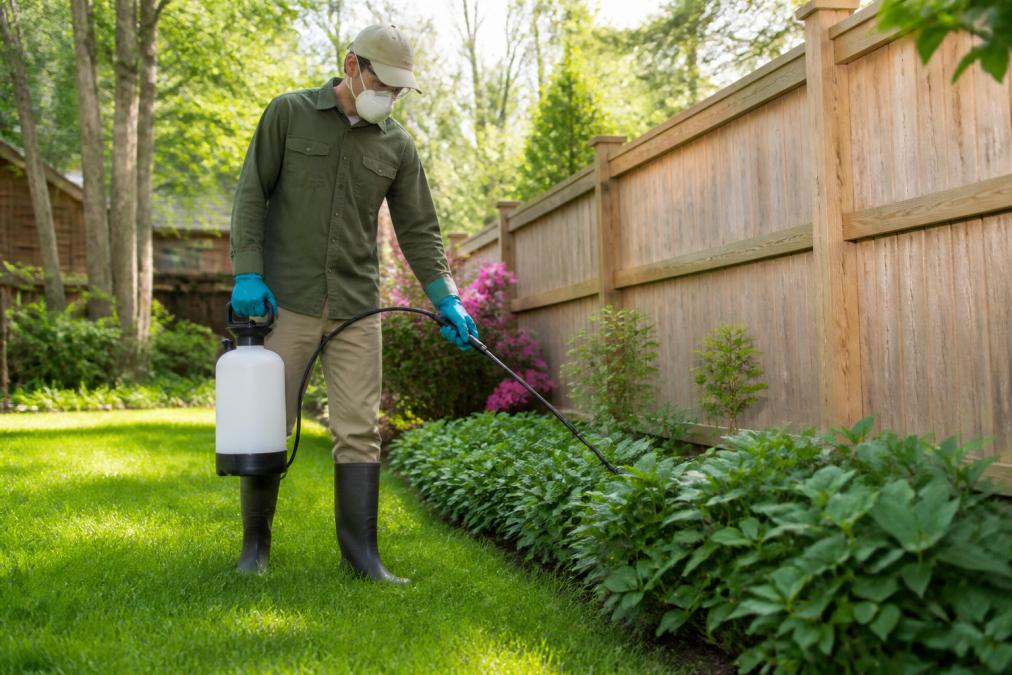
TickFree Outdoors offers comprehensive tick protection, with coverage that extends beyond the lawn itself. Most yard sprays protect your grass but leave you vulnerable when you step onto the patio or walk the dog along a treeline. TickFree Outdoors builds protection for people, pets, and yards into a single system, so you're not juggling three different products with three different schedules.
The yard treatment is designed to complement the company's personal sprays and repellent patches, which matters if you're dealing with a property that borders a green belt or conservation area. You apply the yard barrier for broad coverage, then use personal protection for high-exposure activities like gardening or hiking. This layered approach addresses a common issue: homeowners treat the lawn but forget that ticks hitchhike on the dog, then transfer to family members indoors.
What works: Fast shipping means you're not waiting weeks for treatment to arrive during peak tick season, and worldwide shipping covers properties across all provinces. The customer service team is available to answer questions about application timing.
What doesn't: Because TickFree Outdoors offers multiple product lines, you need to read the yard treatment label carefully to confirm coverage area per bottle. Pricing depends on the specific products you select, so check the website for current rates.
2. BuzzSkito Tick Control: Professional Barrier Spray with a Guarantee
If you'd rather not handle pesticides yourself, BuzzSkito Tick Control delivers a professional barrier spray service that takes the guesswork out of coverage. This is the best tick control for yard situations where you need guaranteed results and don't want to invest in spraying equipment. The service uses Health Canada-approved formulas and targets application specifically for Lyme disease prevention, which means the technician focuses on the high-risk zones rather than blanketing the whole property.
The standout feature here is the Bite-Free Guarantee. If you still find ticks after treatment, the company returns to reapply at no additional cost. That level of accountability is rare in the pest control industry, where most services blame weather or wildlife for re-infestation.
What works: Professional application ensures the barrier spray reaches the underside of leaves and the soil surface where ticks actually rest. The guarantee provides peace of mind that a DIY application simply can't match.
What doesn't: You're tied to the company's scheduling window, which can be a problem if you notice ticks in early spring and the next opening is two weeks out. Treatment starts around $99 per application, and most properties need two to three treatments per season.
3. LawnSavers Tick Control Program: Best for Kid and Pet-Friendly Lawn Care
Families with young children and curious pets need a tick control for yard program that prioritizes safety without sacrificing effectiveness. LawnSavers Tick Control Program is built around that exact requirement, using application methods designed to minimize exposure while still reducing tick populations in backyard environments. This is a specialized lawn treatment program, not a general pest service, so the technicians understand tick habitat and behavior.
The program begins with a professional lawn assessment, which identifies the specific areas where ticks are likely to breed: shaded spots, leaf litter piles, and the base of shrubs. Treatment follows with a proven formula for population control, and the company emphasizes kid and pet-friendly methods throughout. Customer satisfaction ratings are strong, particularly among families who switched from general pest control companies that treated for everything but specialized in nothing.
What works: The assessment-first approach catches habitat issues that spraying alone won't fix. If your yard has a woodpile against the house or a playset under a low-hanging canopy, the technician will flag it and adjust the treatment plan.
What doesn't: Pricing is not publicly listed, so you'll need to contact the company for a quote. The service model also means you're committing to a seasonal program rather than a single application.
4. Cedarcide Outdoor Bug Control: A Natural Cedar Oil Concentrate
Homeowners who want to avoid synthetic pesticides entirely should look at Cedarcide Outdoor Bug Control, a cedar oil-based concentrate that repels and kills ticks in outdoor spaces. This is the best tick control for yard environments where you're growing vegetables, keeping chickens, or simply prefer a non-toxic approach to pest management. Cedar oil works by disrupting the tick's nervous system on contact, and the concentrated formula covers substantial ground when diluted properly.
The formula is safe for use on lawns, gardens, and patios, and the pleasant cedar scent beats the chemical smell of most insecticides. Because it's a concentrate, you mix it with water in a standard pump sprayer, which keeps the cost per application lower than pre-diluted options. For environmentally conscious homeowners, this is the most defensible choice on the market.
What works: The eco-friendly profile means you can treat the garden border where kids play without worrying about residues. The cedar scent also deters mosquitoes and fleas, giving you multi-pest coverage from a single product.
What doesn't: Natural formulas generally break down faster in sunlight and rain, so you'll likely reapply more often than with synthetic options. The concentrate requires manual mixing and proper spraying equipment, which adds setup time to every application.
5. Tick Tubes: Passive Control Targeting Ticks at the Source
The most overlooked approach to tick control for yard management is also the most clever: Tick Tubes target the nymph stage before ticks ever reach your lawn. These biodegradable tubes are filled with permethrin-treated cotton that mice collect for nesting material. Because white-footed mice are the primary reservoir for Lyme disease, treating the rodent host breaks the transmission cycle at its source.
You place the tubes around the perimeter of your property, in brush piles, and along stone walls where mice travel. The cardboard housing degrades naturally, and the cotton inside transfers the insecticide to the mouse's nest, killing any ticks feeding on the animal. It's a passive control method that requires no spraying, no mixing, and no safety precautions for children playing on the lawn after application.
What works: The low-maintenance design is ideal for wooded or brushy areas of a property where spraying is impractical. You replace the tubes a few times per season, and the treatment compounds over time as mouse populations cycle through treated nesting material.
What doesn't: Tick Tubes provide no immediate knockdown of adult ticks. If you have an active infestation right now, you'll still need a barrier spray to address the adults while the tubes work on the next generation.
How to Get Rid of Ticks in Backyard Naturally: A Practical Guide
Combining the right products with smart landscaping is the most reliable path to a tick-free yard, and the natural approach starts with habitat modification before any product touches the ground. Ticks need three things to survive: humidity above 80%, a host animal to feed on, and ground cover for protection (the CDC). Remove any one of these elements and the population collapses.
The most effective tick control lawn treatment schedule begins in early spring, before nymphs become active. Start with a yard cleanup: rake leaf litter, mow grass to under 8 cm, and clear brush from the property edge. Create a 1-metre barrier of wood chips or gravel between your lawn and any wooded area; the dry material deters tick migration. Then apply your chosen treatment according to the product label, typically every 30 to 60 days through the active season.
| Problem | Natural Fix | Impact |
|---|---|---|
| Leaf litter accumulation | Rake and compost away from play areas | Removes humid tick habitat |
| Tall grass at property edges | Mow to under 8 cm weekly | Exposes ticks to drying sun |
| Rodent activity near house | Remove woodpiles and seal stone walls | Reduces nymph-stage hosts |
| Transition zone between lawn and woods | Install 1m wood chip or gravel barrier | Blocks tick migration path |
| Active adult ticks | Apply cedar oil or barrier spray | Immediate knockdown |
For pets, check for ticks after every outdoor session, especially if you've walked through tall grass or brush. The Canadian Veterinary Medical Association recommends year-round tick prevention for dogs in most regions, since ticks can remain active whenever temperatures rise above freezing. Combine your yard treatment with a vet-approved preventive for your dog, then use personal repellent when you're gardening or playing in high-risk zones.
The best tick control for yard strategy is the one you'll actually maintain. A professional barrier spray twice per season beats a natural concentrate you forget to reapply. And if you're dealing with heavy infestations near wooded property, combine a professional treatment with Tick Tubes for source control and a personal repellent from TickFree Outdoors for the moments you step off the treated lawn.
Choosing the right tick control for yard protection means matching the treatment to your property's specific risks, your family's safety needs, and the time you're willing to invest in reapplication. TickFree Outdoors offers a comprehensive system for homeowners who want coverage for their yard, their pets, and themselves, backed by fast shipping and responsive customer service. Explore the full range of sprays, patches, and yard treatments to build your protection plan, and get started with TickFree Outdoors before the season peaks.
Frequently Asked Questions
What is the most effective tick treatment for yards?
The most effective approach combines a barrier spray with habitat management. Professional barrier sprays using Health Canada registered synthetic pyrethroids like permethrin offer immediate knockdown and long residual effects. For a do-it-yourself option, TickFree Outdoors' yard treatments provide similar protection. The key is targeting the perimeter where your lawn meets wooded areas, as this is the primary tick habitat. Consistency with your application schedule matters more than any single product.
How often should I apply tick control to my lawn?
A typical tick control lawn treatment schedule involves applications every 3 to 4 weeks during peak tick season, which runs from spring through fall. Most professional services, like BuzzSkito, recommend about three to four treatments per season. If you are using a DIY product, check the label for its residual effect period. Cedar oil-based sprays like Cedarcide may require more frequent reapplication, especially after heavy rain. Start your schedule in early spring before nymph-stage ticks become active.
How do I get rid of ticks in my backyard naturally?
To get rid of ticks in backyard naturally, focus on habitat modification and natural repellents. Keep your grass short and remove leaf litter, as ticks thrive in tall grass and moist debris. Create a barrier of wood chips or gravel between your lawn and wooded areas. Apply a cedar oil-based spray like Cedarcide around the perimeter. You can also use Tick Tubes, which contain permethrin-treated cotton that mice bring to their nests, killing ticks in the larval stage without spraying chemicals across your yard.
Are professional tick control services worth it for heavy infestations?
Yes, professional services are often the best tick protection for heavy infestations. Companies like LawnSavers and BuzzSkito use commercial-grade equipment and Health Canada approved formulas that provide more thorough coverage than consumer sprayers. They also conduct a proper assessment of your property to identify high-risk areas. If you have a large wooded property or have found multiple ticks on your family or pets, a professional barrier spray treatment offers the most reliable and immediate reduction in tick populations.