

Table of Contents
- Why Natural Bug Spray Matters for Toddlers
- Health Canada Insect Repellent Guidelines for Young Children
- DEET-Free Bug Spray for Kids: What the Research Shows
- Top Natural Bug Sprays for Toddler Protection
- How to Prevent Tick Bites on Toddlers: Application and Safety
- Active Ingredients and Efficacy for Mosquito and Tick Protection
- Common Mistakes Parents Make with Natural Repellents
- Conclusion
- Frequently Asked Questions
Last Updated: September 18, 2026
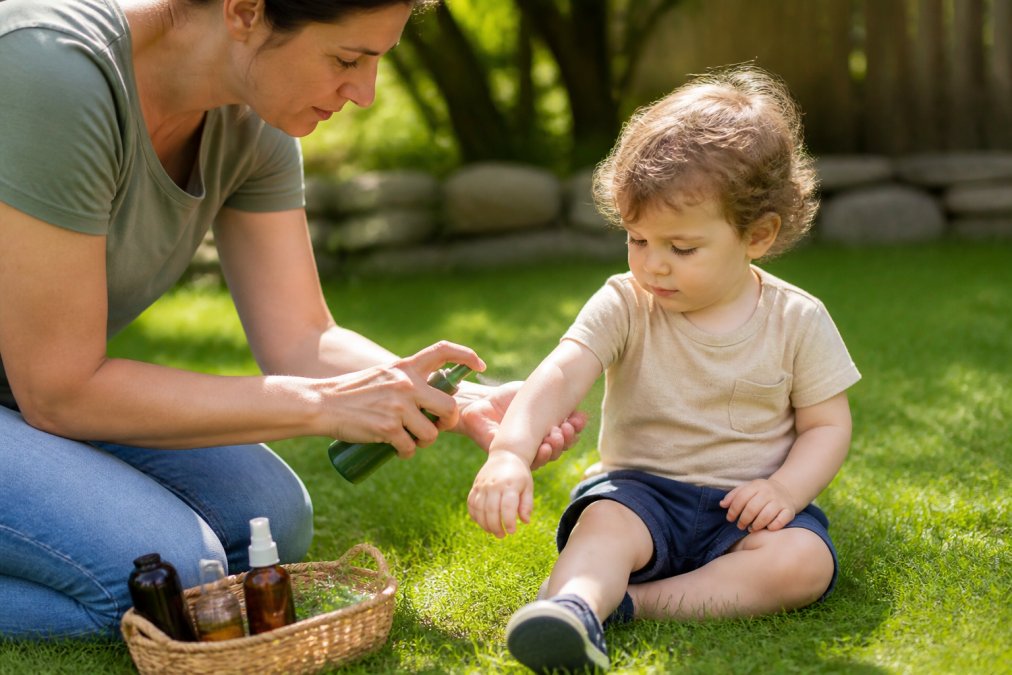
Why Natural Bug Spray Matters for Toddlers
Parents face a genuine dilemma when finding the best natural bug spray for toddlers to protect them from insects outdoors. Synthetic repellents work effectively, but many parents worry about exposing young skin to harsh chemicals. Natural alternatives promise gentler protection, but the question remains: do they actually deliver?
The stakes matter here. Mosquitoes can carry serious illnesses, and ticks pose a tick-borne disease risk in many regions. A toddler's developing skin is more sensitive than an adult's, making ingredient selection critical. This guide breaks down which natural formulations work best, what Health Canada recommends for young children, and how to apply any repellent safely without compromising protection.
Health Canada Insect Repellent Guidelines for Young Children
Health Canada has established clear safety standards for insect repellent use on children. Understanding these guidelines is the foundation for choosing any bug spray, natural or otherwise.
For children under 3 years old, Health Canada advises caution with most topical repellents. Oil of lemon eucalyptus, a common natural active ingredient, is not recommended for children under 3 (Personal Insect repellents). This age restriction reflects toxicology data on skin absorption rates in very young children. For toddlers aged 3 and older, certain repellents become appropriate when applied correctly.
Picaridin, a synthetic ingredient often included in "natural" formulations marketed as a safer alternative to DEET, is approved for children 6 months and older by Health Canada when used at concentrations of 10% or less. At 20% concentration, picaridin-based products should only be used on children 12 years and older. This distinction matters because many products marketed as family-friendly don't specify age restrictions clearly.
The key takeaway: always check the product label for the minimum recommended age. A "natural" label doesn't automatically mean it's safe for your toddler's age group. Health Canada's guidance prioritizes dermatological safety and toxicology data over marketing claims.
DEET-Free Bug Spray for Kids: What the Research Shows
Many parents instinctively avoid DEET, assuming that "chemical-free" automatically means safer. The reality is more nuanced. DEET has been used for decades, and regulatory bodies including Health Canada have deemed it safe for children when applied at appropriate concentrations and frequencies.
That said, DEET-free alternatives do exist and can provide meaningful protection. The most researched DEET-free active ingredients are oil of lemon eucalyptus and picaridin. Both have demonstrated efficacy against mosquitoes and ticks in field studies, though duration of protection varies by formulation and environmental conditions.
Oil of lemon eucalyptus (OLE) provides protection for roughly 4-6 hours under typical outdoor conditions. Picaridin at 20% concentration extends protection to 8-12 hours. For a toddler's afternoon in the yard, OLE may suffice. For extended outdoor activities like camping or hiking, picaridin-based products offer longer coverage between reapplications.
The trade-off is real: natural ingredients often require more frequent reapplication than synthetic alternatives. Some parents find this acceptable; others view it as impractical. Understanding your use case, a quick playground visit versus a full day of outdoor exploration, helps determine which ingredient profile suits your family.
Top Natural Bug Sprays for Toddler Protection
When selecting a natural bug spray, ingredient transparency and age-appropriateness are non-negotiable. Here's a breakdown of effective options:
| Product | Active Ingredient | Best For | Age Minimum |
|---|---|---|---|
| Murphy's Naturals Lemon Eucalyptus Oil Mist | Oil of Lemon Eucalyptus | Plant-based protection, shorter outdoor sessions | 3 years |
| Repel Lemon Eucalyptus Insect Repellent | Oil of Lemon Eucalyptus | Hiking and camping, non-greasy formula | 3 years |
| Sawyer Products 20% Picaridin | Picaridin | Extended protection, odorless application | 12 years |
| Garner's Garden Natural Bug Spray | Essential oils + aloe vera | Sensitive skin, skin-soothing formula | 2 years |
| EarthKind Stay Away Mosquitoes | Plant-based blend | Environmentally conscious families | 2 years |
| Ranger Ready Picaridin Repellent | 20% Picaridin | Active families, 12+ hour protection | 12 years |
Oil of Lemon Eucalyptus Options
Oil of lemon eucalyptus has become the gold standard for natural mosquito protection. It's derived from the lemon eucalyptus tree and works by masking the scents that attract insects.
Murphy's Naturals Lemon Eucalyptus Oil Mist delivers solid performance in a plant-based package. The formula includes natural ingredients alongside OLE, making it genuinely free from synthetic chemicals. For toddlers 3 and older, this product provides reliable protection during outdoor play. The mist application is easy for parents to control, reducing the risk of accidental ingestion compared to lotions.
Repel Lemon Eucalyptus Insect Repellent offers similar active ingredient strength but in a spray format designed for broader coverage. The non-greasy formula appeals to parents who dislike sticky residue on their child's skin. Efficacy against mosquitoes is strong; tick protection is moderate. This works well for afternoon outings but may require reapplication if your toddler spends most of the day outdoors.

Picaridin-Based Natural Alternatives
Picaridin occupies an interesting space: it's a synthetic ingredient, but many natural product lines incorporate it because efficacy data supports its use and it's odorless.
Sawyer Products 20% Picaridin Insect Repellent is a powerhouse for extended protection. At 20% concentration, it's only appropriate for children 12 years and older, too strong for toddlers. However, for families with mixed-age children, this product works well for older siblings and parents. The odorless, non-greasy formula doesn't damage plastics or synthetic fabrics, making it ideal for gear and clothing.
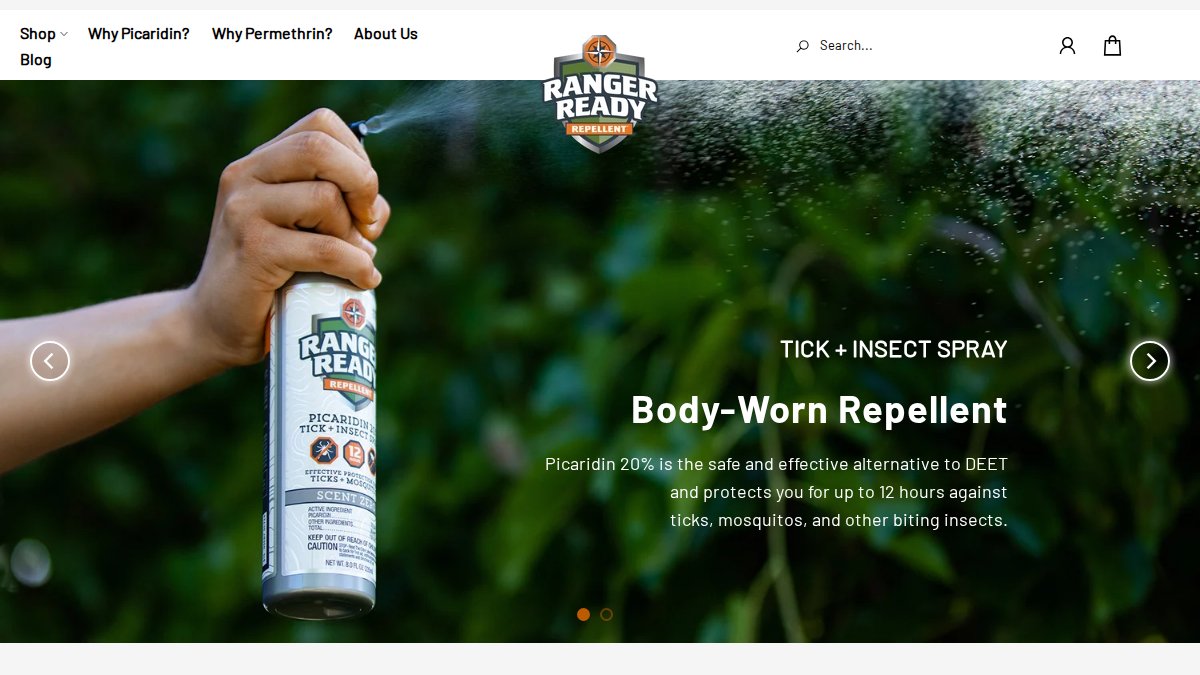
Ranger Ready Picaridin Repellent positions itself as a premium option with dermatologist testing. The 20% concentration again limits it to older children, but the extended 12-hour protection window makes it worth considering for family camping trips where your toddler will be with older siblings or parents using the product on themselves.
Essential Oil and Plant-Based Formulas
For parents prioritizing gentle, non-toxic ingredients above all else, essential oil blends offer an alternative, with the understanding that protection duration may be shorter.
Garner's Garden Natural Bug Spray combines essential oils with aloe vera and witch hazel. This formula is notably gentle on sensitive toddler skin. The inclusion of aloe vera means it actually soothes skin after application, which is a genuine advantage if your toddler has eczema or easily irritated skin. The trade-off is that essential oil blends typically require reapplication every 2-3 hours. This works for contained outdoor time but becomes impractical for full-day activities.
EarthKind Stay Away Mosquitoes prioritizes environmental responsibility alongside family safety. The plant-based formula is free from synthetic pesticides and is safe for use around pets. For families with dogs or cats that might be exposed to repellent residue, this reduces toxicity concerns. Again, expect to reapply more frequently than with OLE or picaridin options.

How to Prevent Tick Bites on Toddlers: Application and Safety
Applying bug spray correctly is as important as choosing the right product. Improper application reduces efficacy and increases the risk of skin irritation or accidental ingestion.
Start by reading the label thoroughly. Every product has specific instructions for age, frequency, and body coverage. For toddlers, apply the spray to your own hands first, then rub it onto your child's exposed skin. Never spray directly onto a toddler's face, instead, apply to your hands and gently spread across the cheeks and forehead, avoiding eyes and mouth.
Cover all exposed skin: arms, legs, neck, and the tops of feet. Ticks often crawl upward from the ground, so don't skip the lower legs.
Active Ingredients and Efficacy for Mosquito and Tick Protection
Understanding which active ingredients target which insects helps you choose strategically based on your local environment.
Common Mistakes Parents Make with Natural Repellents
Parents often make well-intentioned choices that inadvertently reduce protection or create safety issues.
Conclusion
Choosing the best natural bug spray for toddlers requires balancing efficacy, safety, and practicality. Oil of lemon eucalyptus offers genuine mosquito protection for toddlers 3 and older, while essential oil blends provide gentler formulations for sensitive skin, though with shorter protection windows. For families willing to use picaridin-based products on older children, Ranger Ready and Sawyer Products deliver extended protection that makes full-day outdoor activities more manageable.
Frequently Asked Questions
What is the best natural bug spray for toddlers under 3 years old?
For toddlers under 3, oil of lemon eucalyptus sprays are not recommended. Instead, look for picaridin-based or gentle plant-based formulas specifically labeled safe for infants. Always check the product label for age guidelines. Garner's Garden Natural Bug Spray and similar aloe-based formulas offer skin-soothing ingredients suitable for sensitive toddler skin. Apply sparingly to exposed areas, avoiding hands and face.
How long does natural bug spray actually protect against mosquitoes and ticks on a toddler?
Duration varies by active ingredient. Oil of lemon eucalyptus typically lasts 2-4 hours, while picaridin-based options can provide 8-12 hours of protection. Plant-based essential oil sprays may require reapplication every 1-2 hours. Check the product label for specific duration claims. Reapply after water exposure or sweating, and always follow the manufacturer's instructions for your chosen spray.
Are essential oil-based bug sprays effective for toddlers, or do they wear off too quickly?
Essential oil sprays offer natural protection but typically have shorter duration than synthetic alternatives. They work best for short outdoor activities (under 2 hours) or when combined with protective clothing. Formulas like Garner's Garden use witch hazel and aloe alongside essential oils for better staying power. For longer outdoor time, picaridin or oil of lemon eucalyptus options provide more reliable, longer-lasting protection while remaining natural.
How do I apply natural bug spray safely on a toddler without causing skin irritation?
Apply spray to your hands first, then rub onto exposed skin areas, never spray directly on a toddler's face or hands. Avoid applying near eyes, mouth, or open cuts. Use only the amount recommended on the label. Wash hands after application. Test a small patch of skin first if your toddler has sensitive skin or a history of allergies. Reapply after water exposure or every 2-4 hours depending on the product's duration rating.