

Table of Contents
- Why Natural Mosquito Bite Prevention Matters
- Essential Oils for Mosquito Repellent: What Actually Works
- Plants That Repel Mosquitoes in Your Yard
- Natural Mosquito Repellent for Yard: Environmental Control Strategies
- Health Canada Approved Natural Repellents and Safety Guidelines
- Myths About Natural Mosquito Prevention That Don't Work
- When Natural Methods Aren't Enough: Knowing Your Limits
- Conclusion
Last Updated: August 29, 2026
Why Natural Mosquito Bite Prevention Matters
Mosquitoes transmit serious illnesses including West Nile virus and dengue fever, making bite prevention essential for outdoor enthusiasts and families. Natural methods combining essential oils, environmental control, and physical barriers can significantly lower your exposure without harsh chemicals.
Essential Oils for Mosquito Repellent: What Actually Works
Lemon eucalyptus oil stands out as the most researched botanical alternative to synthetic repellents. This oil contains PMD (para-menthane-3,8-diol), a compound that disrupts mosquito sensory receptors and provides several hours of protection when applied properly. Citronella, extracted from grass, masks human scent cues but has shorter duration. Lavender and peppermint show some laboratory efficacy but less consistent field performance.
Essential oil effectiveness depends heavily on concentration. A 10% concentration of lemon eucalyptus outperforms a 2% dilution, which is why commercial formulations often outperform homemade blends.

How to apply essential oils safely on skin
Never apply undiluted essential oils directly to skin. Always dilute in a carrier oil (coconut, jojoba, or almond oil) at a 3-5% ratio, approximately 15-25 drops per ounce of carrier oil. Apply to exposed skin areas like ankles, wrists, and neck, reapplying every 2-3 hours or after swimming.
For children under 3, avoid topical application entirely. Ages 3-12 require half-strength dilutions (1.5-2.5%) with a patch test first. Pregnant women should consult a healthcare provider. Discontinue use immediately if redness, itching, or allergic reactions develop.
Plants That Repel Mosquitoes in Your Yard
Citronella plants, lavender, marigolds, and basil contain aromatic compounds that deter mosquitoes when planted in clusters around seating areas. However, plants alone won't eliminate mosquitoes, they're most effective as part of a broader strategy. Strategic plantings combined with other methods meaningfully reduce pressure. These plants also attract natural predators like dragonflies that feed on mosquito larvae and adults.
Natural Mosquito Repellent for Yard: Environmental Control Strategies
Environmental control is the foundation of effective mosquito prevention. Mosquitoes breed in standing water, and eliminating breeding grounds is far more effective than treating adults.
Eliminating standing water and breeding grounds
A single teaspoon of stagnant water can harbor dozens of mosquito pupae. Weekly inspection during warmer months is essential. Empty plant saucers immediately after watering or rain. Clean gutters regularly. Change birdbath water every 2-3 days to disrupt the breeding cycle.
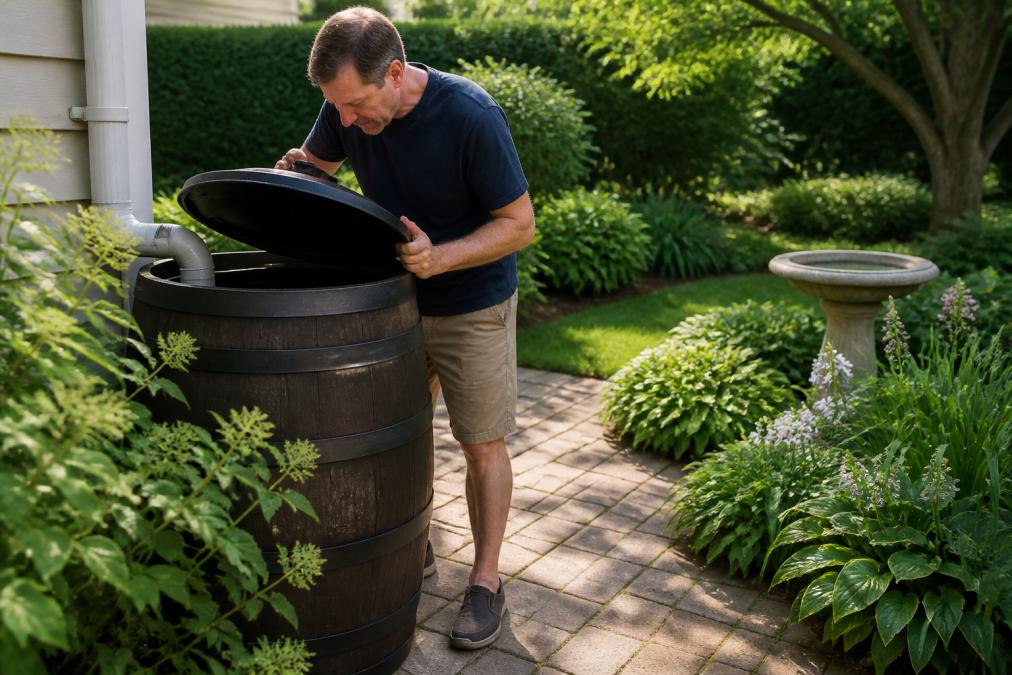
Rain barrels require fine mesh screens over openings and sealed spigots. Drain and refill weekly if used for gardening. For ponds, stock with mosquito fish (Gambusia affinis) or maintain water circulation with a pump, mosquitoes won't lay eggs in moving water.
Creating physical barriers around your home
Inspect window and door screens regularly for tears or gaps. Ensure screens fit snugly and doors close completely. Consider mosquito netting over seating areas, particularly during peak dusk and dawn activity.
Protective clothing is remarkably effective. Loose-fitting, light-colored long sleeves and pants reduce exposed skin. Mosquitoes are attracted to dark colors, so neutral or light colors make you a less obvious target. Tuck pants into socks when hiking in heavily infested areas.
Permethrin, a synthetic pyrethroid, can be applied to clothing, gear, and tent netting rather than skin. It's highly effective and lasts through multiple washings, making it particularly valuable for hunters, campers, and hikers.
Health Canada Approved Natural Repellents and Safety Guidelines
Health Canada regulates insect repellents as natural and non-prescription drugs. Products containing lemon eucalyptus oil (PMD) are recognized as effective natural repellents and must meet specific standards for concentration, purity, and labeling. Citronella-based products are also approved, though typically recommended for shorter-duration protection.
Age-specific safety for children and pets
Children's skin is more permeable than adult skin, meaning substances absorb more readily. For children under 3, avoid topical repellents entirely and rely on physical barriers, netting, protective clothing, and environmental control. For ages 3-12, use lower concentrations and apply only to exposed skin, not hands or areas the child might put in their mouth.
Many essential oils are toxic to cats and dogs. Never apply essential oil blends to pets unless specifically formulated for animal use. Permethrin is toxic to cats and should never be used on or around feline pets. Consult your veterinarian before applying any product to your pet.
Skin sensitivity and allergic reaction prevention
Before applying any new repellent to large areas, test on a small patch (inner forearm or behind ear) and wait 24 hours. If you develop redness, itching, blistering, or other skin reactions, discontinue use immediately and wash thoroughly with soap and water. People with sensitive skin or allergic reaction history should start with the lowest recommended concentration.
Myths About Natural Mosquito Prevention That Don't Work
Why dietary supplements and vitamin B won't prevent bites
A persistent myth claims that consuming B vitamins, particularly B1 (thiamine), prevents bites. This is unsupported by evidence. Mosquitoes locate hosts through carbon dioxide detection, thermal sensing, and olfactory cues, not by tasting blood. Your dietary vitamin intake doesn't change the compounds mosquitoes use to find you. Garlic consumption, apple cider vinegar, and other dietary interventions show no proven effect.
The truth about ultrasonic devices and ineffective remedies
Ultrasonic mosquito repellent devices show no meaningful reduction in mosquito bites compared to controls. Bug zappers primarily kill beneficial insects like moths and pollinators, not mosquitoes. Incense and smoke-based repellents work temporarily but aren't practical for personal protection. Wristbands infused with repellent oils are ineffective, the concentration is too low and placement doesn't protect exposed areas.
When Natural Methods Aren't Enough: Knowing Your Limits
In areas where vector-borne diseases like West Nile virus or Lyme disease are common, relying solely on natural repellents may not provide adequate protection. For extended time in heavily infested areas, combining natural repellents with synthetic options like DEET or picaridin provides stronger protection. Permethrin-treated clothing is particularly valuable in high-risk situations.
No single method is 100% effective. A layered approach, environmental control, physical barriers, natural repellents, and protective clothing, provides the strongest defense. In high-risk areas, this should include proven synthetic options alongside natural methods.
TickFree Outdoors offers premium sprays, repellent patches, and yard treatments designed to work together, preventing breeding, reducing adult populations, and protecting your skin.
Natural mosquito bite prevention is achievable with understanding of what works and abandonment of ineffective myths. A combination of lemon eucalyptus oil applied correctly, environmental control eliminating breeding grounds, and physical barriers creates meaningful protection. For outdoor enthusiasts in high-risk areas, TickFree Outdoors provides premium solutions complementing natural strategies. Health Canada's guidance on natural insect repellents confirms that properly formulated botanical repellents are effective when used as directed. Start with environmental control this week, add protective clothing to your routine, and consider TickFree Outdoors products for situations where natural methods alone may fall short. Shop our complete range and take control of your mosquito prevention today.
| Prevention Method | Effectiveness Duration | Best Use Case | Maintenance Required |
|---|---|---|---|
| Lemon eucalyptus oil (topical) | 2-3 hours | Personal protection during outdoor activities | Reapply after swimming or heavy sweating |
| Environmental control (standing water removal) | Ongoing | Reducing mosquito breeding | Weekly inspection and maintenance |
| Physical barriers (screens, netting) | Continuous | Home protection and sleeping areas | Regular inspection for tears or gaps |
| Protective clothing (long sleeves, pants) | Continuous | Extended outdoor time in infested areas | No maintenance; light colors most effective |
| Permethrin-treated clothing | Multiple washings | Hunting, camping, extended wilderness time | Reapply after washing |
| Yard plants (citronella, lavender, basil) | Seasonal | Ambient mosquito reduction around patios | Seasonal planting and care |
| Myth | Reality | Why It Matters |
|---|---|---|
| Vitamin B prevents mosquito bites | No evidence; mosquitoes locate hosts through CO2 and thermal cues, not blood taste | Relying on this wastes time and money on ineffective prevention |
| Ultrasonic devices repel mosquitoes | Studies show no meaningful effect | These devices are ineffective and don't reduce bite risk |
| Garlic or apple cider vinegar prevent bites | Dietary interventions don't affect mosquito attraction | Focus your effort on proven methods instead |
| Bug zappers reduce mosquito bites | They kill beneficial insects; minimal impact on mosquito populations | Ineffective for personal protection and harms pollinators |
| Wristbands with repellent oil work | Concentration too low; placement doesn't protect exposed areas | Better to use topical repellents or physical barriers |
Frequently Asked Questions
How long do natural mosquito repellents actually last on your skin?
Lemon eucalyptus oil typically provides 2-3 hours of protection (peer-reviewed research). This duration decreases with swimming or heavy sweating. Citronella-based products often last 1-2 hours. If you're outdoors all day, you'll need to reapply multiple times.
Are natural repellents safe for children and pregnant women?
Natural doesn't automatically mean safe for all populations. Essential oils can cause skin irritation in children, particularly under age 3. Pregnant women should consult a healthcare provider before using essential oil products. Physical barriers and environmental control are safer alternatives for these groups.
Can I make an effective mosquito repellent at home?
Homemade blends are inconsistent. You need at least 3-5% lemon eucalyptus oil in carrier oil for meaningful efficacy. Most homemade recipes use lower concentrations, resulting in poor protection. Commercial formulations ensure consistent concentration and safety testing.
What's the difference between natural and synthetic mosquito repellents?
Natural repellents (lemon eucalyptus, citronella) typically last 2-3 hours. Synthetic options like DEET or picaridin often provide 4-8 hours of protection and are more resistant to water and sweat. Both have safety data supporting their use when applied as directed. Shorter outdoor time may suit natural options; extended time in high-risk areas often benefits from synthetic options.
Should I use mosquito repellent if I'm not in a high-risk area?
Environmental control and physical barriers are always worthwhile. Topical repellents are optional in low-mosquito-density areas but become essential if spending significant time outdoors or in regions where vector-borne diseases are present.
How does TickFree Outdoors compare to other natural repellent brands?
TickFree Outdoors provides premium solutions combining topical sprays, repellent patches, and yard treatments. Our layered approach addresses mosquito prevention from multiple angles: preventing breeding, reducing populations, and protecting your skin.
Can I use essential oils on my pet?
Many essential oils are toxic to cats and potentially harmful to dogs. Never apply essential oil blends to pets unless specifically formulated for animal use. Permethrin is toxic to cats. Consult your veterinarian before applying any repellent product to your pet.
What should I do if I develop an allergic reaction to a natural repellent?
Discontinue use immediately and wash the affected area thoroughly with soap and water. If symptoms persist beyond a few hours, seek medical attention. For future prevention, rely on physical barriers and environmental control rather than topical repellents.
According to Public Health Agency of Canada guidance on vector-borne diseases, mosquitoes pose real health risks in many regions. The combination of environmental control, physical barriers, and appropriate repellents provides genuine protection. TickFree Outdoors equips you with premium tools for every layer of this strategy, delivering comprehensive outdoor safety. Shop our complete range and take control of your mosquito prevention today.
Frequently Asked Questions
What smell do mosquitoes hate most?
Mosquitoes strongly dislike the scent of lemon eucalyptus oil, citronella, lavender, and peppermint. Lemon eucalyptus is particularly effective and is recognized by Health Canada as a natural repellent option. The volatile compounds in these plants interfere with mosquitoes' ability to locate hosts. However, the strength of scent diminishes over time, so reapplication every 2-3 hours is necessary for sustained protection, especially during peak dusk and dawn activity periods.
Can dietary changes or supplements prevent mosquito bites naturally?
No. Despite popular claims, taking vitamin B supplements, eating garlic, or adjusting your diet does not prevent mosquito bites. Mosquitoes locate hosts through carbon dioxide, body heat, and lactic acid, not through dietary compounds. This is a common myth without scientific support. Your best defense is topical repellents with proven efficacy, physical barriers like screens and protective clothing, and environmental control to reduce mosquito populations in your area.
How long do natural mosquito repellents actually last on skin or clothes?
Most natural essential oil-based repellents last 2-3 hours on skin, depending on sweat, water exposure, and the specific oils used. Repellents applied to clothing may last 4-6 hours. This is shorter than synthetic alternatives like DEET or picaridin, so reapplication is necessary if you're outdoors for extended periods. Store-bought natural products formulated with carrier oils and stabilizers may offer slightly longer protection than homemade versions, but consistent reapplication remains essential for reliable bite prevention.
What's the difference between natural and effective mosquito repellents?
Natural doesn't always mean effective. While essential oils like lemon eucalyptus offer genuine repellent properties, they work best as part of a layered approach: combine topical application with physical barriers (screens, protective clothing), environmental control (removing standing water), and yard treatments. Health Canada approves certain natural repellents, but efficacy varies by product formulation, dilution ratios, and reapplication frequency. The most effective strategy combines multiple methods rather than relying on any single natural remedy alone.
This article was written using GrandRanker