

Table of Contents
- Why Natural Yard Treatment for Ticks Matters
- Step 1: Modify Tick Habitat in Your Yard
- Step 2: How to Landscape to Prevent Ticks
- Step 3: Use Natural Tick Repellent for Pets
- Step 4: Apply Botanical and Cedar Oil Tick Control
- Step 5: Manage Wildlife and Firewood
- Seasonal Maintenance and Soil Management
- DIY vs. Professional Tick Control: What to Know
- Frequently Asked Questions
Last Updated: October 3, 2026
Why Natural Yard Treatment for Ticks Matters
A natural yard treatment for ticks is a chemical-free approach to reducing tick populations in your outdoor space by changing the habitat ticks need to survive. It combines yard cleanup, smart landscaping, and botanical repellents instead of synthetic pesticides.
Ticks do not drop from trees. They wait on tall grass and leaf edges, then latch onto whoever walks past. That single fact changes how you treat a yard.
This matters more every year. Warming seasons are pushing black-legged ticks into new regions, and Health Canada's tick surveillance data tracks the spread.
Here is the good news: most of the work is physical, not chemical.
Step 1: Modify Tick Habitat in Your Yard
Habitat modification is the single most effective natural tick treatment, and it costs nothing but a weekend of work. Ticks need shade, moisture, and cover. Take those away and they cannot survive.
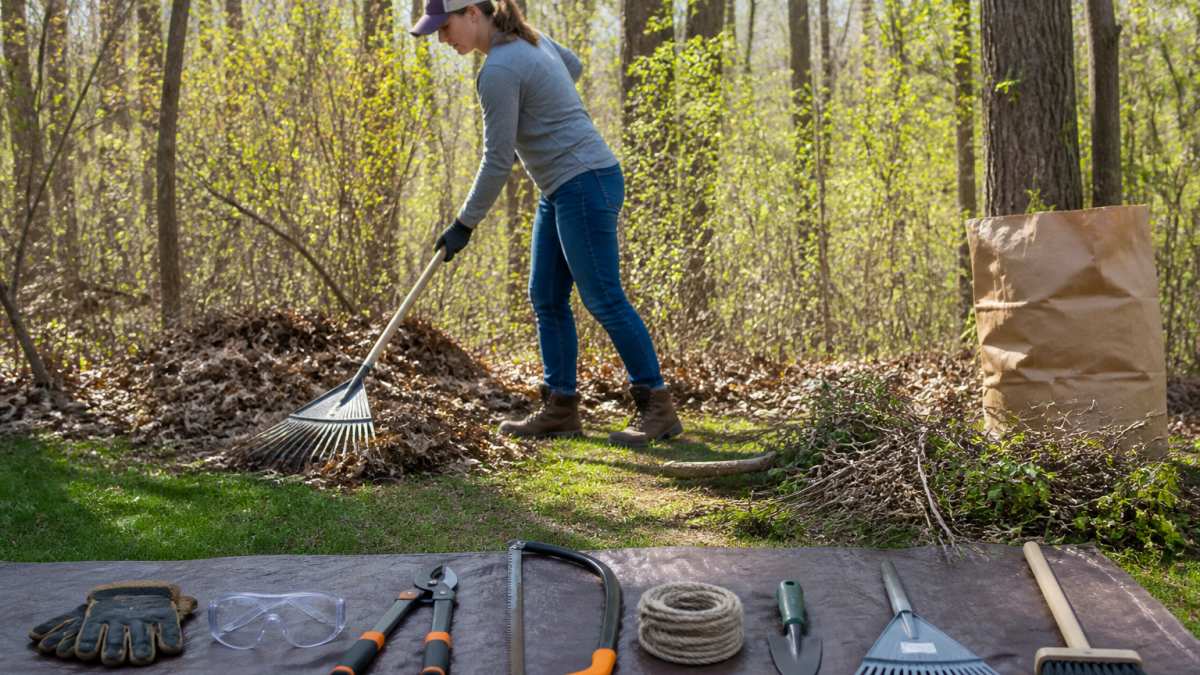
Start at the edges of your property, where lawn meets woods or tall grass. That transition zone is where ticks concentrate. Clear it back and keep it dry.
Remove Leaf Litter and Debris
Leaf litter is tick housing. It holds moisture, blocks sunlight, and gives nymphs a place to wait for a host.
Rake leaves away from the house, play areas, and lawn edges. Pay special attention to the damp strip along fences and under shrubs. Bag the debris or compost it far from where people and pets spend time. Do this in spring and again after the fall drop.
Manage Brush and Low Shrubs
Thick brush and overgrown shrubs create the humid cover ticks love. Thin it out.
- Keep grass mowed short, especially near the house
- Trim low branches so sunlight reaches the ground
- Remove brush piles instead of letting them sit
- Clear a dry border between lawn and woods
Step 2: How to Landscape to Prevent Ticks
Landscaping to prevent ticks means designing your yard so ticks have no easy path from the woods to your door. The goal is a dry, open perimeter. Ticks rarely cross it.
Think of your yard as zones. The wild edge stays wild. The area you use stays dry, short, and sunlit. Most guides stop at "remove habitat." This section goes further: it tells you what to plant instead, because bare ground invites weeds and erosion, while the right plants hold the soil and still deny ticks the humid cover they need.
Create a Gravel or Wood Chip Barrier
A perimeter barrier of gravel or wood chips stops ticks at the property line. Ticks avoid dry, exposed surfaces because they lose moisture quickly.
Spread a strip of gravel or chips between your lawn and any wooded or brushy area. Keep it at least a meter wide.
Choose Native Plants That Deter Ticks
Most guides skip this, but plant choice matters. The mechanism is simple: ticks need shade, leaf litter, and humidity at ground level. Plants that grow tall, stay dry, and let air and sun reach the soil break that microclimate.
Aim for sun-loving, drought-tolerant native species that are adapted to your region. The following are widely grown across much of the country and are known for tolerating dry, open conditions:
- Wild bergamot (Monarda fistulosa), tall, airy stems; attracts pollinators; leaves have aromatic oils.
- Black-eyed Susan (Rudbeckia hirta), short-lived but self-seeds; thrives in full sun and dry soil.
- Purple coneflower (Echinacea purpurea), deep taproot handles drought; upright habit keeps ground level open.
- Butterfly milkweed (Asclepias tuberosa), dry-soil specialist; supports monarchs; no dense mat at the base.
- Little bluestem (Schizachyrium scoparium), clumping native grass; stands upright, so air moves through.
A few cautions. Avoid dense ground covers like ivy or pachysandra near walkways, play sets, and patios, they hold moisture at exactly the height nymphs quest from. Space plantings so air and light move through.
Keep the Design Working
A tick-resistant landscape is not a one-time install. Each spring, cut back last year's stems so the bed does not mat down. Refresh gravel and chip barriers where they have thinned. Re-mulch with a coarse, dry material rather than fine shreds that stay damp. If a bed starts to shade out and hold moisture, thin it rather than adding more plants.
Step 3: Use Natural Tick Repellent for Pets
Natural tick repellent for pets protects the animals most likely to bring ticks inside.
Check your pets daily during tick season. Run your fingers over the neck, ears, armpits, and between the toes. Remove any tick right away with fine tweezers.
For protection, look for DEET-free formulas made for animals. Many pet owners find that botanical sprays and repellent patches cut down on hitchhikers without harsh chemicals.
Step 4: Apply Botanical and Cedar Oil Tick Control
Botanical repellents and cedar oil give you a natural layer of control around your yard and on your gear. They work best as part of the whole system, not on their own.
Spray high-traffic zones: lawn edges, pathways, and the border along the woods. Reapply after rain and during peak season. These products break down in sunlight, so timing matters.
Cedar Oil Tick Control Effectiveness Explained
Cedar oil tick control works by drying out and repelling ticks on contact. It is a natural deterrent, not a long-lasting pesticide, so it needs regular reapplication.
Cedar oil performs best in dry conditions and on treated surfaces. It fades faster in heavy rain or strong sun. Use it as a supporting layer alongside habitat modification, not as a replacement.
Step 5: Manage Wildlife and Firewood
Wildlife management is the step most homeowners forget, yet it is where ticks often enter the yard. Deer and rodents carry ticks right to your door.
Discourage deer with fencing and by removing food sources. Keep bird feeders away from the house, since they attract rodents. Store firewood off the ground and away from the home, and never stack it against the wall.
- Fence gardens and shrubs deer like to browse
- Move feeders and compost away from the house
- Stack firewood on a rack, off the ground
- Keep the woodpile away from patios and doors
Seasonal Maintenance and Soil Management
Tick control is a year-round habit, not a one-time job. The tick life cycle runs through egg, larva, nymph, and adult stages, and each stage has its own timing and its own weakness. Hitting the right stage at the right time does more than any single spray.
A Rough Activity Calendar
Tick activity shifts with latitude and local climate, so treat the following as a general guide rather than a fixed schedule. In most of the country, black-legged ticks follow a pattern close to this:
| Period | Main Stage Active | What to Do |
|---|---|---|
| March-April (snowmelt) | Overwintered adults | Rake leaves, clear debris, restart mowing; adults are active as soon as temperatures rise above roughly 4°C |
| May-June | Nymphs (peak risk) | Mow short, maintain barriers, begin repellent applications, check pets daily |
| July-August | Nymphs and adults | Reapply repellents after rain; keep leaf litter from building up; watch shaded edges |
| September-November | Adults | Clear the fall leaf drop promptly; tidy firewood; continue pet checks |
| December-February | Dormant (but not gone) | Adults can be active on mild days; keep barriers intact and woodpiles tidy |
Nymphs are the stage most people miss because they are tiny, roughly the size of a poppy seed, and they are the stage most often linked to human bites. That is why late spring and early summer deserve the heaviest yard work.
Soil and Moisture Management
Ticks need damp ground. Relative humidity at ground level is the single biggest factor in whether a tick survives between meals. A dry yard is a tick-resistant yard, and drainage is how you get there.
- Fix low spots. Anywhere water pools after rain is a tick nursery. Regrade or add soil so water moves away from the house and play areas.
- Redirect downspouts. Extend them so roof water discharges well away from foundation plantings and shaded beds.
- Avoid overwatering. Deep, infrequent watering encourages deep roots; daily light watering keeps the surface damp, which is exactly what ticks want.
- Open the canopy. Prune low branches so sun and air reach the soil. A bed that dries out by mid-morning is far less hospitable than one that stays shaded and damp all day.
- Use coarse, dry mulch. Fine mulches and fresh wood chips hold moisture; coarse bark or gravel dries faster.
- Let sunny areas bake. Do not fight nature, the hot, open parts of your yard are already working for you.
A Simple Seasonal Checklist
- Early spring: rake, clear, restart mowing, inspect barriers.
- Late spring: mow short, refresh gravel and chips, start repellent applications.
- Summer: reapply after rain, check pets daily, keep litter from building.
- Fall: clear leaves promptly, tidy firewood, keep up pet checks.
- Winter: keep barriers and woodpiles in order; watch for mild-day activity.
DIY vs. Professional Tick Control: What to Know
DIY tick control works well for most yards and costs far less than a service contract.
For a typical residential yard, the steps above handle the problem. You control the timing, the products, and the cost. You also avoid recurring fees.
A professional service is worth considering when your yard borders dense woods, when you have a large property, or when ticks keep returning despite your efforts.
TickFree Outdoors offers premium sprays, repellent patches, and yard treatments for people, pets, and property.
Frequently Asked Questions
What can you put on your yard to kill ticks naturally?
Natural yard treatments include botanical sprays with cedar oil, garlic-based repellents, and diatomaceous earth. You can also create physical barriers with gravel or wood chips. For best results, combine habitat modification, such as removing leaf litter, with targeted natural sprays. Always check that products are Health Canada approved for use on yards and follow label instructions carefully.
Do cedar oil treatments work for tick control?
Cedar oil has shown some effectiveness as a natural tick deterrent, though results vary based on concentration and application. It works by disrupting tick pheromone receptors. For yard use, cedar oil sprays can reduce tick populations when applied to harborage zones like leaf litter and perimeter edges. Reapply after rain or heavy dew. Cedar oil is generally considered safe for pets and children when used as directed.
How does landscaping help in reducing tick populations?
Landscaping reduces tick habitat by eliminating moist, shaded areas where ticks thrive. Simple steps include removing leaf litter, mowing regularly, creating a gravel barrier between lawn and woods, and pruning low shrubs. These changes make your yard less attractive to tick-carrying wildlife like deer and rodents. A well-maintained landscape can significantly lower tick encounters for you and your pets.
What natural repellents are safe for pets?
For pets, look for natural tick repellents that are Health Canada approved and formulated for animals. Ingredients like cedar oil, neem oil, and essential oils such as lavender or peppermint can help, but some oils are toxic to cats and dogs. Always consult your veterinarian before applying any repellent. Spot-on treatments and repellent patches designed for pets offer convenient protection. Never use human repellents on pets without veterinary approval.
Ticks are spreading into more yards each year, and waiting for a bite to act is a losing plan. Start with habitat modification, add a barrier and native plants, then layer in botanical repellents and pet protection. TickFree Outdoors offers the sprays, patches, and yard treatments to cover every layer, backed by fast shipping and premium customer service. Get started with TickFree Outdoors and turn your yard into a tick-free zone.