

Table of Contents
- Comparison Table: Best Wondercide Alternatives for Yard Treatment
- Cedarcide YardSafe: Cedar Oil Concentrate for Large Properties
- Vet's Best Yard & Kennel Spray: Hose-End Convenience
- TropiClean Natural Flea & Tick Yard Spray: Botanical Blend
- Cutter Backyard Bug Control Spray Concentrate: Long-Lasting Residual
- BioAdvanced Complete Insect Killer: Broad-Spectrum Option
- Adams Yard Spray: Breaking the Flea and Tick Life Cycle
- TickFree Outdoors: Comprehensive Tick Management
- How to Apply Yard Tick Spray Safely
- Frequently Asked Questions
Last Updated: September 30, 2026
Comparison Table: Best Wondercide Alternatives for Yard Treatment
Finding the best Wondercide alternatives for yard treatment starts with understanding what you actually need: a product that kills ticks and fleas on contact, keeps working after rain, and won't harm your pets or kids. This guide breaks down seven options by active ingredients, coverage, and residual protection so you can match a product to your property.
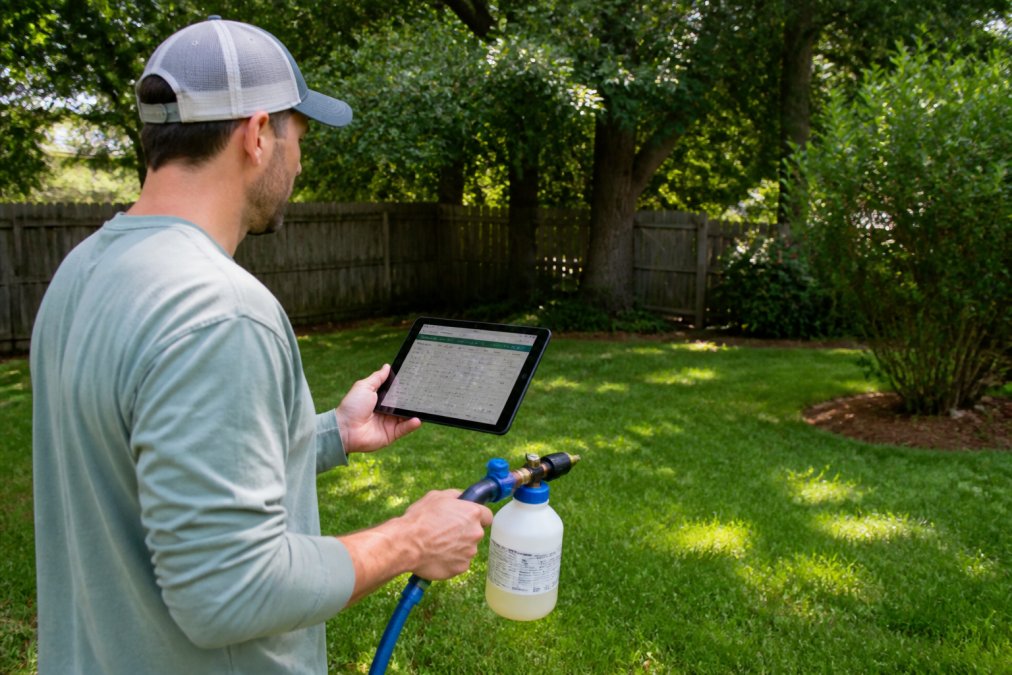
Natural vs. synthetic: the decision that shapes everything else
Every product below falls into one of two camps, and the trade-off is consistent.
What to look for on the label
- Active ingredient and concentration, a concentrate you dilute gives more coverage per dollar than a ready-to-use bottle
- Residual claim, "up to 12 weeks" assumes ideal conditions; rain, mowing, and UV shorten it
- Coverage area, usually stated in square feet; measure your actual treatment zone first
- Re-entry time, the interval before pets and children can return
- Pollinator warning, many labels restrict application during bloom
Comparison table
| Product | Active Ingredients | Coverage | Residual Protection | Best For |
|---|---|---|---|---|
| TickFree Outdoors | High-efficacy tick-specific formulations | Varies by property | Extended barrier protection | Heavy infestations, wooded lots |
| Cedarcide YardSafe | Cedar oil concentrate | Large yards (diluted) | Moderate | Cedar-based, non-toxic approach |
| Vet's Best Yard & Kennel Spray | Peppermint oil, eugenol | 5,000 sq ft | Short, rain-sensitive | Quick hose-end knockdown |
| TropiClean Yard Spray | Clove, lemongrass, cedarwood, cinnamon oils | Lawn and patio | Short | Botanical routine maintenance |
| Cutter Backyard Bug Control | Synthetic pyrethroids | 5,000 sq ft | Up to 12 weeks | Heavy infestations, long residuals |
| BioAdvanced Complete Insect Killer | Broad-spectrum insecticide | Lawn and foundation | Up to 3 months | Severe infestations |
| Adams Yard Spray | Insect growth regulator (IGR) | 5,000 sq ft | Life-cycle disruption | Breaking breeding cycles |
Cost per square foot: the number most guides skip
Listicles rarely do the math, but it matters. Divide the bottle price by its stated coverage area to get a rough cost per square foot, then multiply by how many applications you'll realistically need per season. A cheaper bottle with a two-week residual can cost more over a full season than a pricier concentrate that holds for six weeks. Concentrates almost always win on cost per treated square foot because you control the dilution.
What these sprays do to soil and pollinators
This is the angle most competitor articles ignore. Botanical sprays are not automatically harmless to beneficial insects, clove, lemongrass, and peppermint oils can affect bees and other pollinators if applied during foraging hours. Cedar oil is generally considered lower-risk for pollinators but can still irritate sensitive skin. Synthetic pyrethroids are broad-spectrum, meaning they kill beneficial ground beetles and soil-dwelling organisms along with pests, and repeated use can disrupt the soil microbiome that supports healthy turf.
Cedarcide YardSafe: Cedar Oil Concentrate for Large Properties
Cedarcide YardSafe is a concentrated cedar oil formula you dilute yourself, which makes it economical for larger properties where a ready-to-use bottle would run out fast. Cedar oil works as a botanical pesticide that disrupts pests at multiple life stages.
Vet's Best Yard & Kennel Spray: Hose-End Convenience
Vet's Best takes the guesswork out of application. You attach the bottle to a standard garden hose, and it covers up to 5,000 square feet with a peppermint oil and clove extract formula.
TropiClean Natural Flea & Tick Yard Spray: Botanical Blend
TropiClean leans into a four-oil blend: clove, lemongrass, cedarwood, and cinnamon. It kills fleas and ticks on contact and, notably, doesn't require a waiting period before pets return to the treated area.
Cutter Backyard Bug Control Spray Concentrate: Long-Lasting Residual
Cutter is the option for anyone tired of reapplying every week. It delivers up to 12 weeks of control against ticks, mosquitoes, ants, and fleas across 5,000 square feet, and it connects straight to your hose.
BioAdvanced Complete Insect Killer: Broad-Spectrum Option
BioAdvanced kills over 60 insect types on contact and keeps working for up to 3 months. It's formulated for lawns, soil, and foundation perimeters, which makes it useful if ticks are moving from a wooded edge toward your house.
Adams Yard Spray: Breaking the Flea and Tick Life Cycle
Most sprays kill what's there today. Adams adds an insect growth regulator, which stops larvae from maturing into biting adults. That's the difference between knocking down a population and preventing the next generation.
TickFree Outdoors: Comprehensive Tick Management
For properties bordering woods or green belts, spraying alone rarely solves the problem. TickFree Outdoors approaches yard treatment as part of a full tick management strategy: high-efficacy formulations built for tick-heavy environments, plus guidance on landscape modification to remove the shady, humid habitat ticks need.
How to Apply Yard Tick Spray Safely
Safe application comes down to timing, coverage, and letting the product dry. Treat on a calm, rain-free day, focus on the transition zones where lawn meets woods, and always follow the label's drying instructions before letting pets or kids back out.
Timing windows that actually matter
Tick and flea activity in most of the country peaks twice: a late-spring surge (roughly May through June) and a second push in early fall (September through October), when humidity returns and hosts are active. Nymph-stage ticks, the ones most likely to transmit disease, are most active in late spring and early summer, which is why a single mid-summer spray misses the highest-risk window.
Frequency by climate, not by calendar
Generic "reapply every 4-6 weeks" advice ignores how differently a yard behaves in coastal British Columbia versus the dry interior of the Prairies. A more useful rule:
- Humid, high-rainfall regions (coastal BC, southern Ontario, Atlantic Canada): expect residuals to break down faster. Botanical and cedar-oil products may need reapplication every 2-4 weeks during peak season; synthetic pyrethroids typically hold 4-8 weeks instead of the label maximum.
- Dry, low-humidity regions (southern Alberta, Saskatchewan, interior BC): residuals last longer, but tick habitat shrinks to irrigated zones and shaded edges. Treat those areas only, and stretch intervals to 6-8 weeks for synthetics.
- Mixed or transitional zones: split the difference and re-treat after any single rainfall event over roughly 25 mm, or after two consecutive days of heavy dew.
Coverage math
Most hose-end bottles are rated for a fixed area, commonly 5,000 sq ft (about 465 m²). Measure your actual treatment zone before you buy. A typical suburban lot's perimeter band (lawn-to-woods edge, foundation line, and fence line) is often only 1,500-2,500 sq ft, meaning one bottle can cover two or three applications rather than one. Over-application wastes money and increases runoff risk.
A safe application sequence
- Mow and clear debris 1-2 days before treating
- Spray perimeter zones, not just the center of the lawn
- Keep pets and children off the area until fully dry, typically 30 minutes to a few hours depending on the product and humidity
- Reapply after heavy rainfall if the label requires it
- Store concentrates out of reach of children and pets, and never mix in a food container
For natural tick control on residential lawns, combine treatment with habitat reduction: keep grass short, create a gravel or mulch barrier between lawn and woods, and discourage deer from bedding nearby.
Frequently Asked Questions
What is the most effective flea and tick treatment for yards?
Effectiveness depends on infestation level and your preference for natural versus synthetic ingredients. For severe infestations, products with residual protection like Cutter Backyard Bug Control can provide up to 12 weeks of control. Natural options such as Cedarcide YardSafe use cedar oil and may require more frequent applications. Always follow label directions and consider your yard's specific conditions.
How effective is Wondercide yard spray compared to other natural alternatives?
Wondercide is a popular cedar oil-based spray, but its effectiveness can vary based on application timing and tick pressure. Alternatives like Cedarcide YardSafe also use cedar oil and are concentrated for larger areas. TropiClean offers a blend of essential oils that kills pests on contact. Each product has trade-offs in residual activity and cost per square foot.
Are there Canadian-approved natural alternatives to Wondercide?
In Canada, natural pest control products must be registered under the Pest Control Products Act. Look for products with a Pest Control Products (PCP) number on the label. Cedarcide YardSafe and TropiClean are available in Canada and meet regulatory requirements. Always check the label for approved uses and safety instructions.
How do essential oil-based yard sprays compare to chemical treatments?
Essential oil sprays like those from Vet's Best and TropiClean break down faster in sunlight and rain, often requiring reapplication every few days. Synthetic treatments like BioAdvanced Complete Insect Killer can last up to 3 months but may have restrictions on pet re-entry. Choose based on your tolerance for reapplication and ingredient preferences.
Is cedar oil effective for long-term tick control in yards?
Cedar oil can repel and kill ticks on contact, but its residual effect is limited, typically lasting a few days to a week depending on weather. For long-term control, combine cedar oil treatments with landscape modifications like removing leaf litter and creating barriers between wooded areas and your lawn. Regular monitoring is key.
Ticks don't respect property lines, and a single untreated edge can undo weeks of work. TickFree Outdoors offers tick-specific yard treatments, personal repellent patches, and pet protection built for heavy-infestation areas, all with fast shipping and dependable customer service. Get started with TickFree Outdoors and build a yard your family can actually enjoy.