

Table of Contents
- Comparison Table: Best Tick Prevention for Senior Dogs
- Bravecto: 12-Week Protection for Dogs That Hate Monthly Doses
- NexGard: The Beef-Flavored Chew for Sensitive Skin
- Simparica Trio: Three Parasites, One Monthly Chew
- K9 Advantix II: A Topical Option for Non-Systemic Protection
- TickFree Outdoors: Sprays, Patches and Yard Treatments for Extra Protection
- What Is the Safest Tick Prevention for Dogs With Kidney Disease?
- How to Check Senior Dogs for Ticks
- Frequently Asked Questions
Last Updated: September 12, 2026
Comparison Table: Best Tick Prevention for Senior Dogs
Finding the best tick prevention senior dogs means balancing effective parasite control against the reality that older dogs metabolize drugs differently. This guide from TickFree Outdoors compares prescription options alongside outdoor support products, with a focus on what actually matters for aging pets: liver and kidney function, drug interactions, and ease of administration.
| Product | Type | Duration | Best For | Key Consideration |
|---|---|---|---|---|
| Bravecto | Oral chew or topical | 12 weeks | Dogs stressed by monthly dosing | Prescription required |
| NexGard | Beef-flavored chew | Monthly | Sensitive skin | 30-day redosing |
| Simparica Trio | Triple-action chew | Monthly | Multi-parasite prevention | Vet suitability check |
| K9 Advantix II | Topical | Monthly | Non-systemic protection | Can irritate skin |
| TickFree Outdoors | Sprays, patches, yard treatments | Varies by product | Layered outdoor protection | Not a substitute for vet care |
The table above shows why no single product wins outright. A 12-year-old Labrador with early kidney disease has different needs than a healthy 8-year-old who swims daily. Before choosing, ask your veterinarian to run a senior wellness exam that includes liver enzyme and kidney function bloodwork, because most tick preventives are cleared through these organs.
Bravecto: 12-Week Protection for Dogs That Hate Monthly Doses
Bravecto is a prescription oral chew or topical solution that protects against fleas and ticks for up to 12 weeks per dose (ema.europa.eu). For senior dogs, the appeal is simple: fewer medication events means less stress for both dog and owner.
It kills black-legged ticks, American dog ticks, and brown dog ticks before they can transmit disease. The active ingredient belongs to the isoxazoline class, which works systemically after absorption.
The trade-off is real. Bravecto requires a veterinary prescription, and older dogs with pre-existing liver or kidney conditions need a metabolic clearance assessment first. A common mistake is assuming a longer-lasting dose is automatically safer for a senior dog. In practice, it means the drug stays in the system longer, which matters if your dog reacts poorly.
NexGard: The Beef-Flavored Chew for Sensitive Skin
NexGard is a monthly beef-flavored soft chew that kills adult fleas and treats tick infestations. Its main advantage for senior dogs is dermatological: no topical application means no risk of skin irritation at the application site.
The chew doesn't need to be given with a meal, which helps when appetite is inconsistent. It also stays effective through bathing and swimming, so grooming frequency doesn't affect performance. The active ingredient, afoxolaner, is another isoxazoline.
Where it falls short: you're back to a 30-day schedule, and the beef flavor doesn't fool every dog. For picky seniors, hiding it in food can reduce dosage accuracy if the chew is only partly eaten.
Simparica Trio: Three Parasites, One Monthly Chew
Simparica Trio combines heartworm, flea, and tick protection in a single monthly chewable. For owners juggling multiple medications, consolidating into one dose reduces the chance of a missed treatment.
The active ingredients include sarolaner, and the formula has a rapid onset of action for tick control. It's highly palatable, which helps with dogs whose appetites have declined with age.
This is where drug-drug interaction analysis matters most. Because Simparica Trio already includes a heartworm preventive, adding a separate heartworm medication can create dangerous overlap. Bring a complete list of everything your senior dog takes, including supplements, to your veterinary consultation.
K9 Advantix II: A Topical Option for Non-Systemic Protection
K9 Advantix II is a topical treatment that repels and kills ticks, fleas, and mosquitoes on contact, without relying on systemic absorption. For owners who prefer to avoid oral medications in an older dog, this is the strongest alternative.
The repellent action means ticks are affected before they bite, which reduces tick-borne illness risk. The formula is waterproof, suiting active dogs.
The honest drawback is dermatological sensitivity. Some senior dogs develop irritation at the application site, and the topical can be messy to apply on thick or matted coats. If your dog has chronic skin conditions, this may not be the right fit.
TickFree Outdoors: Sprays, Patches and Yard Treatments for Extra Protection
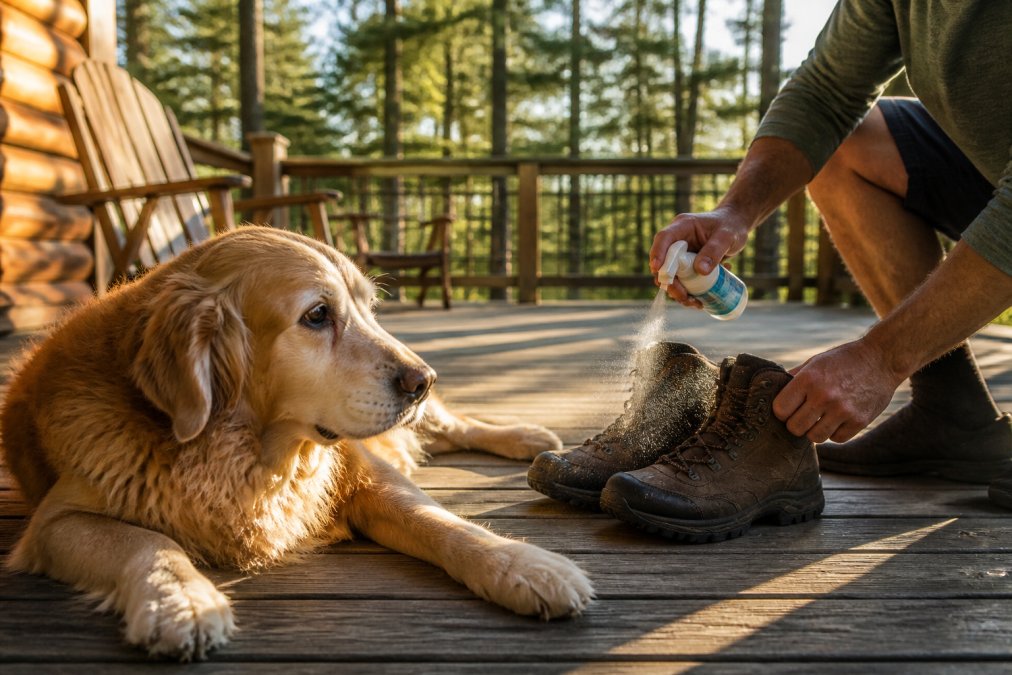
TickFree Outdoors offers sprays, repellent patches, and yard treatments that add a protective layer around your dog's outdoor environment. These products support, rather than replace, veterinary tick prevention.
For tick prevention senior dogs, environmental management is often the missing piece. Reducing tick habitat in your yard and using repellent patches on walks lowers exposure before a tick ever reaches your dog. The sprays and patches suit people too, which matters for owners hiking the same trails.
What most guides miss is that yard treatments and on-dog products solve different problems. A chew protects the dog; a yard treatment reduces the population your dog encounters. Using both is how you cut risk meaningfully. TickFree Outdoors delivers peace of mind through effective outdoor safety solutions, serving anyone who enjoys the outdoors with the added benefits of fast, worldwide shipping, great prices, and exceptional customer service. You can browse the full range to build a layered protocol.
What Is the Safest Tick Prevention for Dogs With Kidney Disease?
The safest tick prevention for a senior dog with kidney disease is not a specific brand, it is a product chosen after bloodwork, matched to the dog's metabolic clearance route, and screened against every other medication the dog takes. No universal answer exists because kidney function varies widely between individual senior dogs, and the same product that suits one 12-year-old may be inappropriate for another.
Here is the part most owners get wrong: they search for a "kidney-safe" label that doesn't exist. What exists is a veterinary assessment. According to guidance from the Canadian Veterinary Medical Association on senior pet care, aging dogs benefit from regular wellness exams that catch organ changes before they become crises. The Canadian Veterinary Medical Association also notes that senior dogs are more likely to be on multiple medications, which raises the stakes for every new product added.
Why the Clearance Route Matters More Than the Label
Most systemic tick preventives, including the isoxazoline class (Bravecto, NexGard, Simparica Trio), are metabolized primarily by the liver and eliminated through bile and feces, not the kidneys. That does not make them automatically safe for a dog with kidney disease, but it does mean the kidney is not the primary organ clearing the drug. The practical implication: a dog with early kidney disease but normal liver values may tolerate an isoxazoline differently than a dog with both organs compromised. This is why your vet will look at the full bloodwork panel, not just one number.
Topical products like K9 Advantix II act on contact and have limited systemic absorption, which some practitioners prefer when organ clearance is a concern. The trade-off is dermatological: senior dogs with thinning skin or chronic allergies may react at the application site.
The Drug-Drug Interaction Problem Nobody Talks About
Senior dogs are frequently on medications for arthritis (NSAIDs like meloxicam or carprofen), heart disease (pimobendan), or kidney support (benazepril). Most tick preventives do not have documented interactions with these drugs, but the combination still deserves scrutiny because:
- Some preventives already include a heartworm preventive (Simparica Trio), so adding a separate heartworm medication creates dangerous overlap.
- NSAIDs and isoxazolines are both processed by the liver; a dog on long-term NSAIDs may have altered liver enzyme activity.
- Supplements (fish oil, joint powders, herbal blends) are drugs in disguise for interaction purposes, bring the actual bottles to your appointment.
A common pattern in veterinary practice is to introduce one new product at a time and wait two to four weeks before adding anything else, so any reaction can be traced to a single source.
A Practical Senior-Safe Framework
Use this checklist in your veterinary conversation:
- Request a full senior wellness exam with bloodwork, including liver enzymes (ALT, ALP) and kidney values (BUN, creatinine, SDMA)
- List every medication, supplement, and topical your dog takes, including flea treatments on other pets in the home
- Ask specifically which organ clears the preventive you are considering
- Confirm whether the product overlaps with any existing heartworm or flea medication
- Start with one new product at a time to isolate reactions
- Schedule a follow-up blood panel if any neurological side effects appear (tremors, wobbling, lethargy)
Topical options are sometimes preferred when systemic clearance is a concern, but this depends entirely on the individual dog. Natural repellents like those from TickFree Outdoors can reduce exposure, though they work best alongside, not instead of, veterinary guidance.
How to Check Senior Dogs for Ticks
Checking a senior dog for ticks takes about five minutes and should happen after every outing in wooded or grassy areas. Older dogs often can't groom themselves as thoroughly, so ticks stay attached longer and are easier to miss. Senior dogs also have thinner skin and weaker immune responses, which means a tick bite that would cause a mild reaction in a young dog can escalate faster, and the early signs of tick-borne disease are often subtler.
Why Senior Dogs Need a Different Check
Three age-related changes make the standard tick check insufficient for older dogs:
- Reduced grooming: Arthritis and dental pain make it harder for dogs to scratch or bite at ticks, so attached ticks survive longer and have more time to transmit disease.
- Thinner skin and slower healing: Tick attachment sites can become infected more easily, and irritation from topical preventives is more common.
- Muted symptoms: A younger dog with Lyme disease may spike a fever and go lame; a senior dog may just seem "a little slower than usual," which owners often attribute to age.
The Five-Minute Senior Tick Check
Work systematically, parting the fur down to the skin. Use a bright light and have a fine-toothed comb and fine-tipped tweezers within reach.
- Head and ears: Check inside the ear flaps, around the eyes, and under the collar. Senior dogs with droopy ears or skin folds hide ticks well here.
- Neck and chest folds: Part the fur against the grain. Loose skin on older dogs creates pockets where ticks attach.
- Armpits and between the front legs: This is the most commonly missed area. Lift each leg gently, senior dogs may have joint pain, so support the limb rather than pulling.
- Belly and groin: Ticks prefer warm, thin-skinned areas. Check the groin carefully, especially on dogs with incontinence or skin folds.
- Paws and tail base: Look between the toes and around the tail base. Senior dogs with long nails or matted fur around the rear are especially vulnerable.
Run your fingertips against the grain of the fur. A tick feels like a small, firm bump, sometimes no bigger than a sesame seed. Remove any you find with fine-tipped tweezers, pulling straight up without twisting. Do not apply petroleum jelly, alcohol, or a lit match; these methods can cause the tick to regurgitate into the wound.
What to Watch For in the Weeks After
Watch for symptoms of tick-borne diseases in dogs over the following weeks: lethargy, lameness, fever, or loss of appetite. In senior dogs, also watch for:
- Sudden reluctance to climb stairs or jump (often mistaken for arthritis)
- Shifting leg lameness that moves from one limb to another
- Unexplained bruising or nosebleeds (a sign of tick-borne illness affecting platelets)
- Increased drinking or urination (which can signal kidney involvement)
These signs can appear days after a bite, and senior dogs often show subtler symptoms than younger ones. If you notice any, contact your veterinarian promptly, and mention the tick exposure, even if you removed the tick weeks earlier.
Frequently Asked Questions
What is the safest flea and tick prevention for older dogs?
There is no single safest option for every senior dog. Oral chews like Bravecto and NexGard are convenient and effective, but they are processed by the liver and kidneys, so bloodwork before starting is essential. Topicals such as K9 Advantix II work on the skin surface and may suit dogs with organ issues. Your veterinarian can recommend the best tick prevention for senior dogs based on your dog's health history and current medications.
Are topical or oral tick preventatives better for senior dogs?
It depends on your dog's health and lifestyle. Oral chews are easy to give, not affected by swimming or bathing, and highly effective. Topicals like K9 Advantix II repel ticks before they bite and are not absorbed systemically, which may be preferable for dogs with kidney or liver concerns. For the best tick prevention for senior dogs, discuss both options with your vet, especially if your dog has chronic health conditions.
Can I use natural tick repellents on my senior dog?
Natural sprays and repellent patches can help reduce tick encounters, but their duration of action is often shorter than prescription products. They are best used as part of a broader strategy that includes yard treatments and regular tick checks. If your senior dog has health issues, ask your vet before combining natural repellents with prescription preventives to avoid interactions.
How often should I check my senior dog for ticks?
Check your dog daily, especially after walks in wooded or grassy areas. Run your fingers through the coat, focusing on the ears, neck, armpits, groin, and between the toes. Removing ticks within 24 hours greatly reduces the risk of disease transmission. Senior dogs may be less mobile, so a quick daily check is also a good way to monitor their skin and overall condition.
What are the signs of a tick-borne illness in senior dogs?
Symptoms of tick-borne diseases in dogs include lethargy, loss of appetite, fever, swollen joints, lameness, and unexplained bruising or nosebleeds. Senior dogs may show subtler signs like reluctance to move or increased sleeping. If you notice any of these after finding a tick, contact your veterinarian. Early testing and treatment improve outcomes, especially for older dogs with weaker immune systems.